EN
EN
 AR
AR
 HR
HR
 DA
DA
 NL
NL
 FR
FR
 DE
DE
 EL
EL
 HI
HI
 IT
IT
 JA
JA
 KO
KO
 NO
NO
 PL
PL
 PT
PT
 RO
RO
 RU
RU
 ES
ES
 TL
TL
 IW
IW
 ID
ID
 SR
SR
 SK
SK
 UK
UK
 VI
VI
 TH
TH
 TR
TR
 AF
AF
 MS
MS
 IS
IS
 HY
HY
 AZ
AZ
 KA
KA
 BN
BN
 LA
LA
 MR
MR
 MY
MY
 KK
KK
 UZ
UZ
 KY
KY


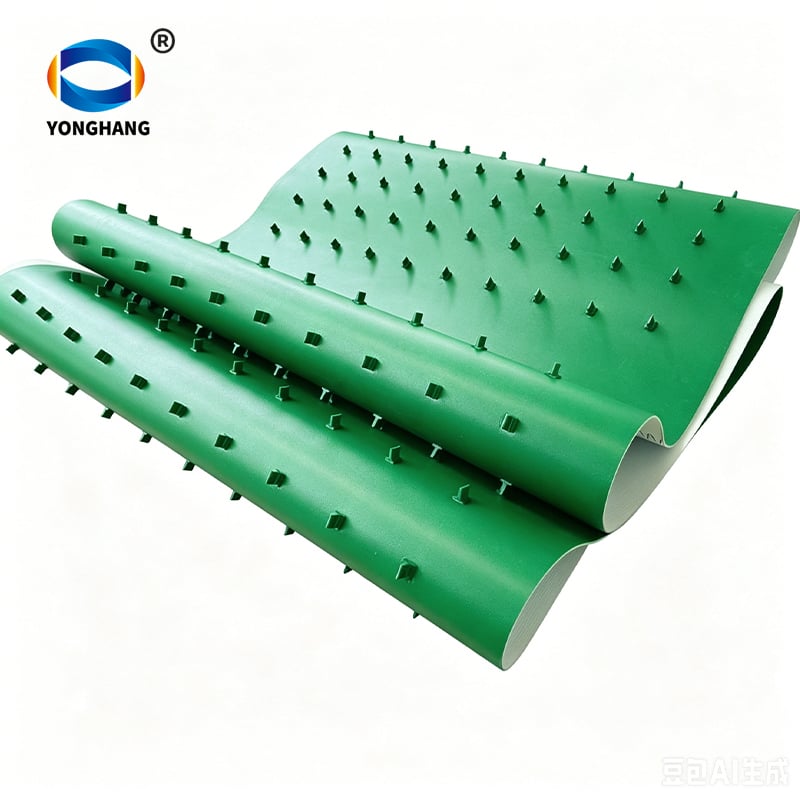

PVC Conveyor Belt with Small Cleats for Woodworking Adhesive Application Machine
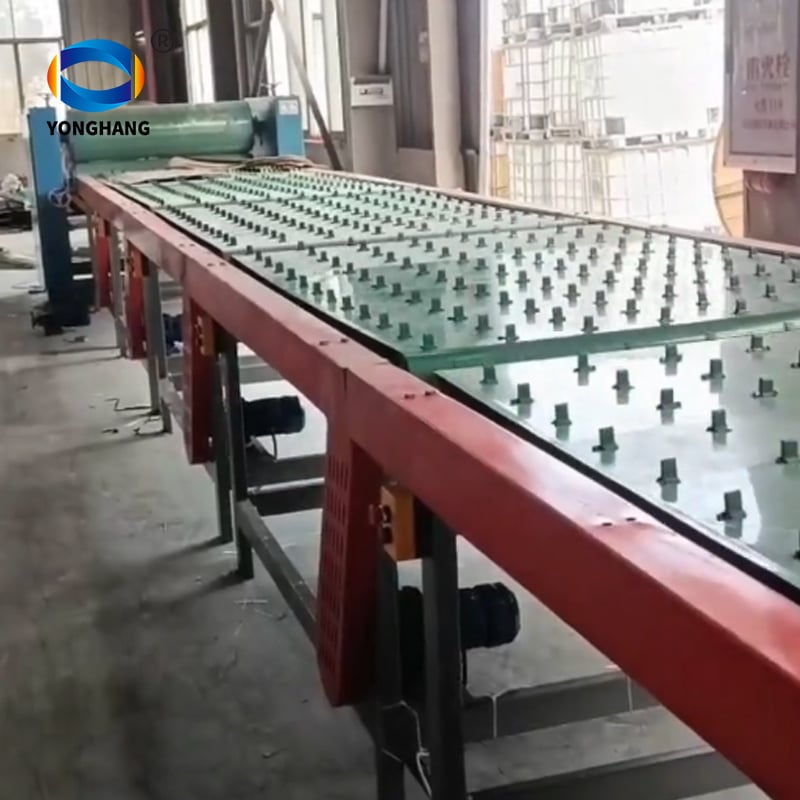
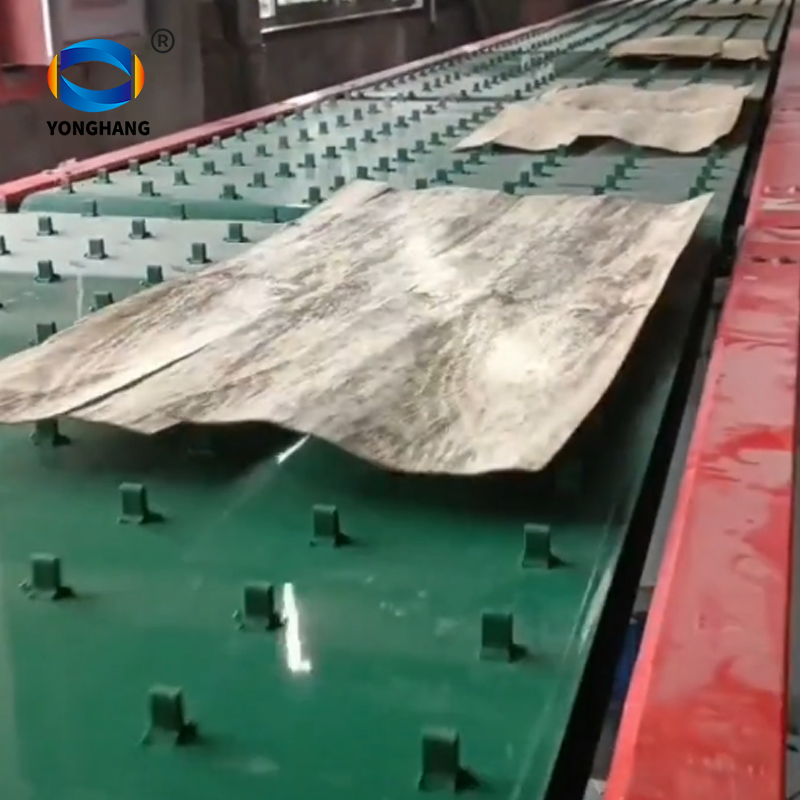
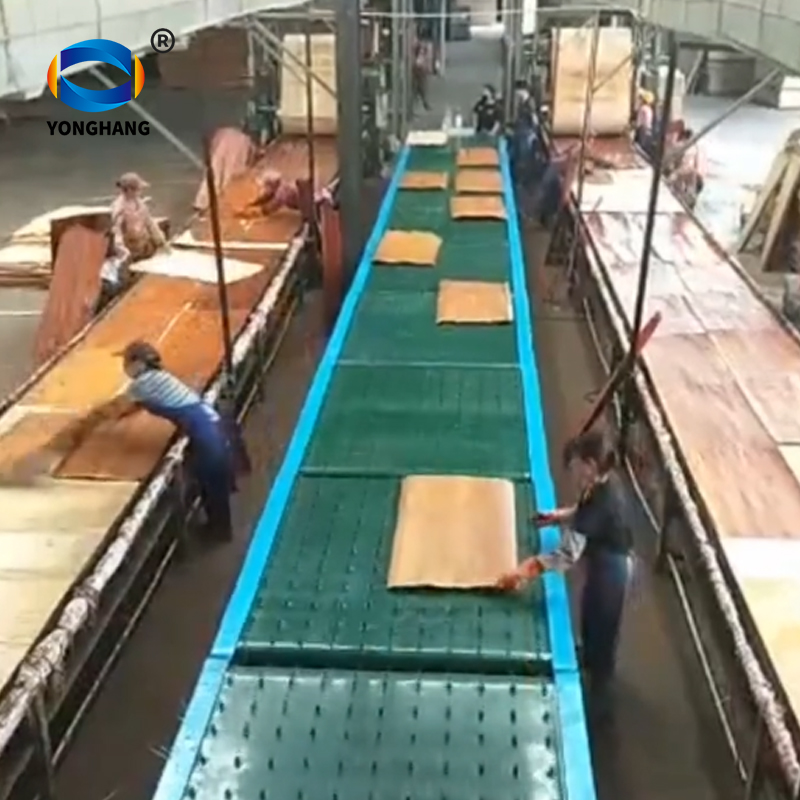
In automated woodworking, edge banding, and panel laminating setups, a PVC Conveyor Belt with Small Cleats is a highly specialized tracking and material feed component. In a woodworking adhesive application machine (such as a glue spreader or a roller coater), the conveyor belt must feed timber, MDF, or veneer sheets under the glue roller with perfect synchronization while dealing with chemical residues and tackiness.
- Introduction
Introduction
In automated woodworking, edge banding, and panel laminating setups, a PVC Conveyor Belt with Small Cleats is a highly specialized tracking and material feed component. In a woodworking adhesive application machine (such as a glue spreader or a roller coater), the conveyor belt must feed timber, MDF, or veneer sheets under the glue roller with perfect synchronization while dealing with chemical residues and tackiness.
Adding small cleats (or low-profile profiles) provides a positive driving edge that prevents wood panels from slipping or shifting when they meet the resistance of a pressurized gluing drum.
1. Material Architecture: Designed for Wood Processing
A woodworking adhesive conveyor belt must be durable enough to withstand sharp raw wood corners and the chemical makeup of industrial wood glues (such as EVA hot melts, polyolefins, or PUR adhesives).
Chemical Resistance: Polyvinyl Chloride (PVC) naturally resists chemical deterioration from common woodworking adhesives and the harsh solvents used during machine clean-up cycles.
High Frequency Welded Cleats: To ensure maximum lifetime durability, small cleats are fused to the base belt using high-frequency welding machines.
This process melts the PVC molecules of the cleat and the base belt together, creating an unbreakable bond that stops the cleats from snapping off under load. Anti-Static Engineering: Transporting dry wood fibers and sanding dust creates significant friction. Woodworking PVC belts typically include conductive carbon yarns to eliminate static electricity, which stops flammable fine dust from building up on the belt.
2. Technical Profile Options
Small Cleat Profiles
Unlike bulky aggregate belts, adhesive application machines require low-profile, small-dimension cleats to keep the wood panel perfectly flat and stable.
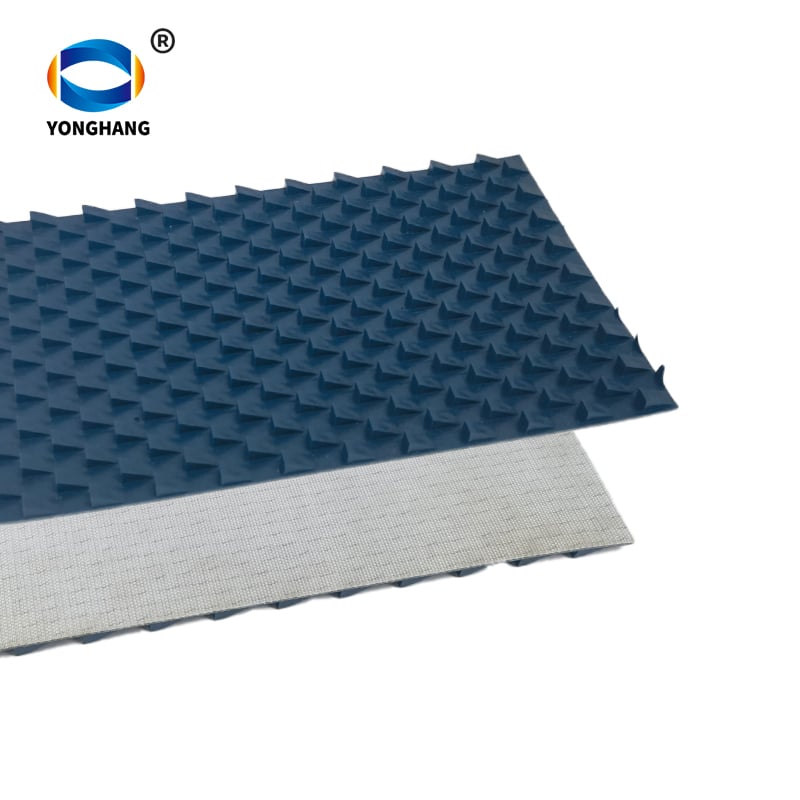
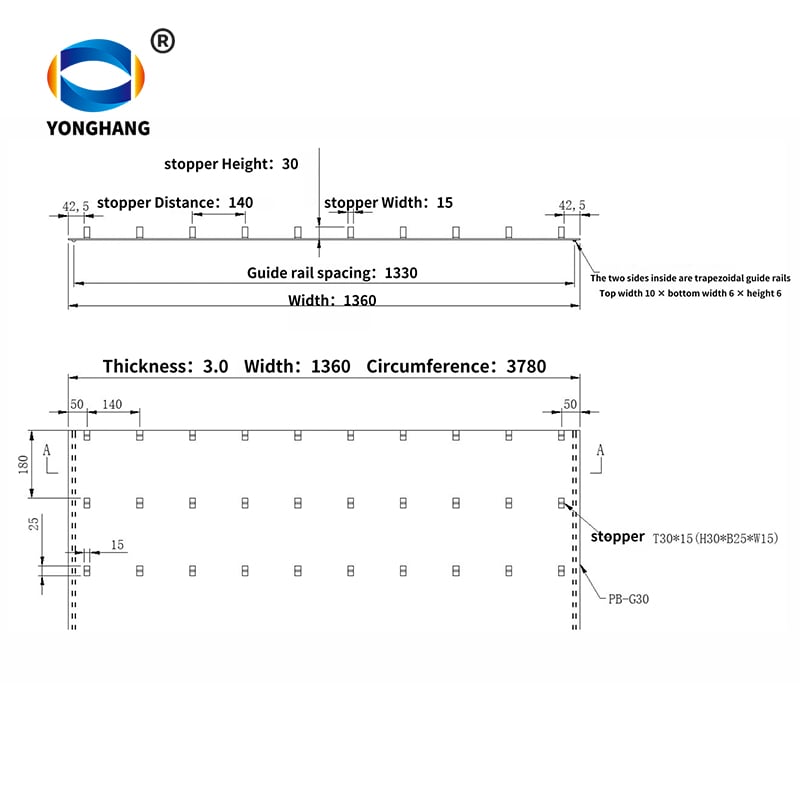
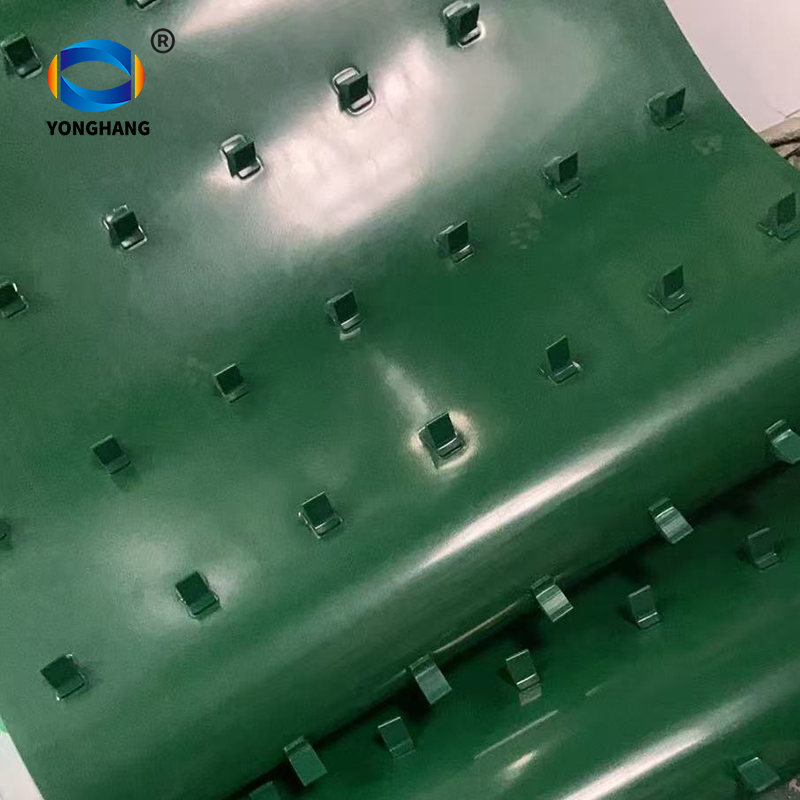
T-Series Small Cleats : These straight vertical barriers are small—measuring only 10mm to 20mm in height. They provide a neat push-ledge behind the trailing edge of a wood panel without interfering with overhead adhesive rollers.
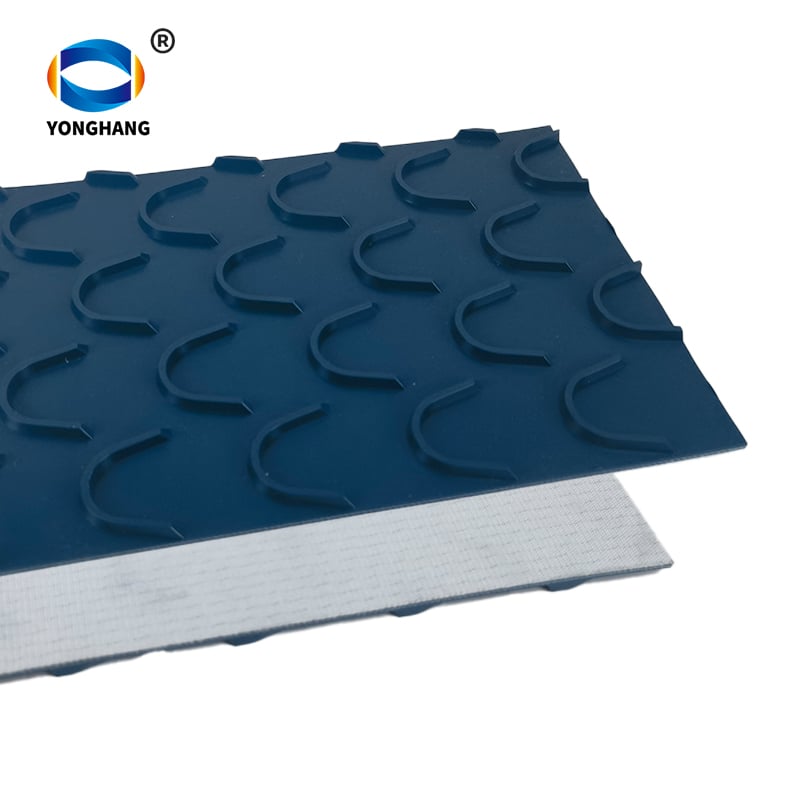
Crescent or Chevron Patterns: These low-profile, raised structures (often 3mm to 6mm high) are molded directly across the top surface. They give excellent surface traction and allow excess adhesive to channel off the sides easily, keeping the main belt face cleaner.
3. Key Operational Advantages
A. Non-Slip Panel Feeding
Wood panels can glide or drift when passing through heavy, rotating glue rollers. Small cleats act as physical stops that push the wood forward smoothly, guaranteeing a uniform, uninterrupted layer of glue from the front edge to the very back of the board.
B. Minimized Contact Surface and Easy Cleanup
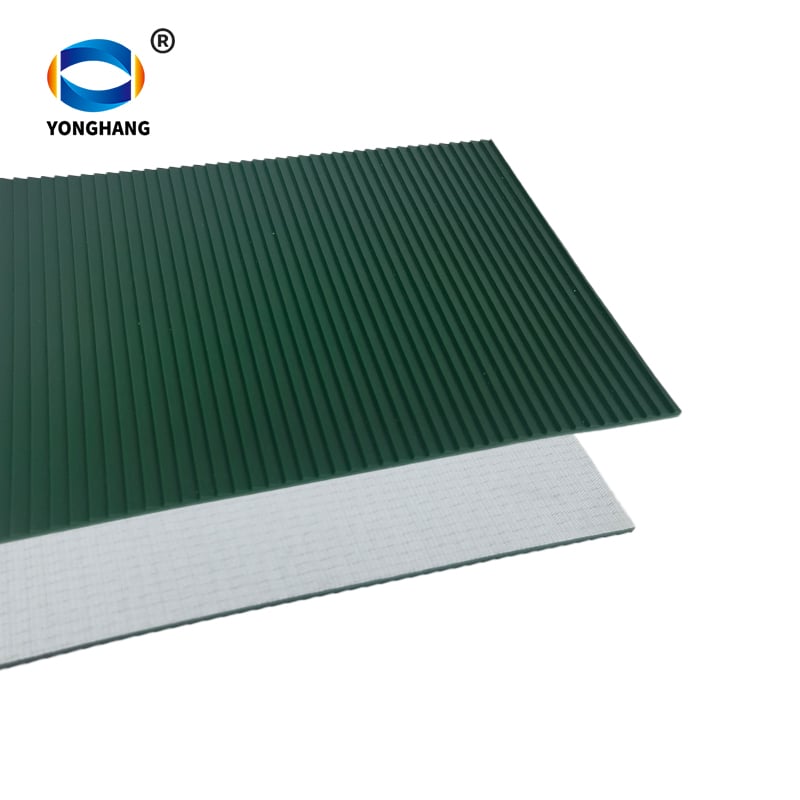
Milled or grooved PVC tops with small cleats minimize the physical contact area underneath the wood panel. If any glue squeezes over the edges of the board, it drops into the valleys between the textures rather than baking directly onto a flat belt surface, making daily cleaning significantly easier.
C. Smooth Tracking Over Small Pulleys
Small-profile cleats retain excellent flexibility. They allow the conveyor belt to wrap tightly around tight, compact machine pulleys without causing tooth engagement errors, belt jumping, or tracking drift.
4.Maintenance Tips for Adhesive Conveyor Belts
To prevent premature replacement, follow these best practices on the factory floor:
Check Cleat Alignment Regularly: Ensure your overhead glue extrusion heads or rollers are calibrated to sit safely above the maximum height of the small cleats to prevent high-speed collisions.
Solvent Compatibility: When cleaning off cured adhesive, ensure your release agents or scraping tools are fully compatible with PVC to avoid softening or cracking the belt.