EN
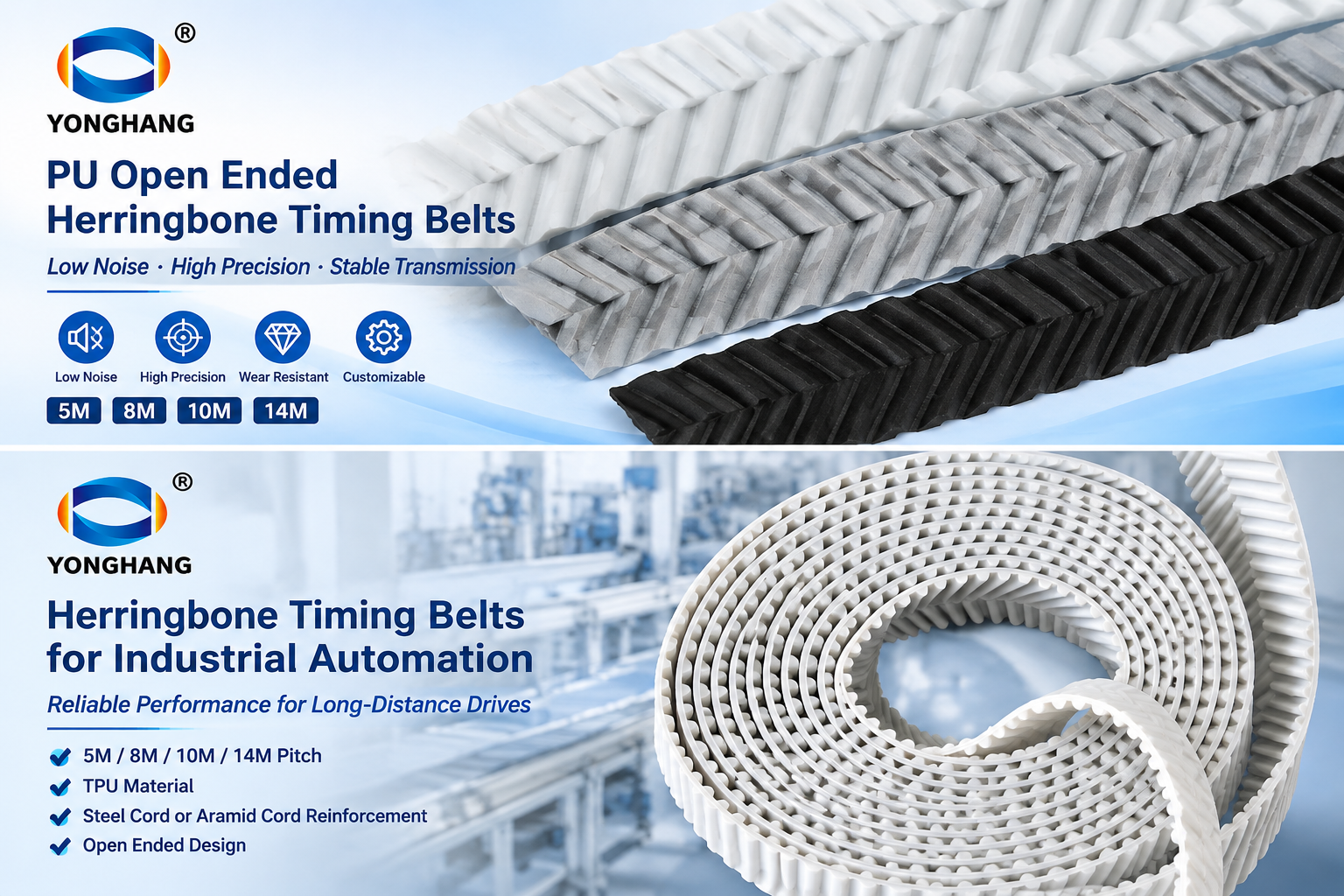
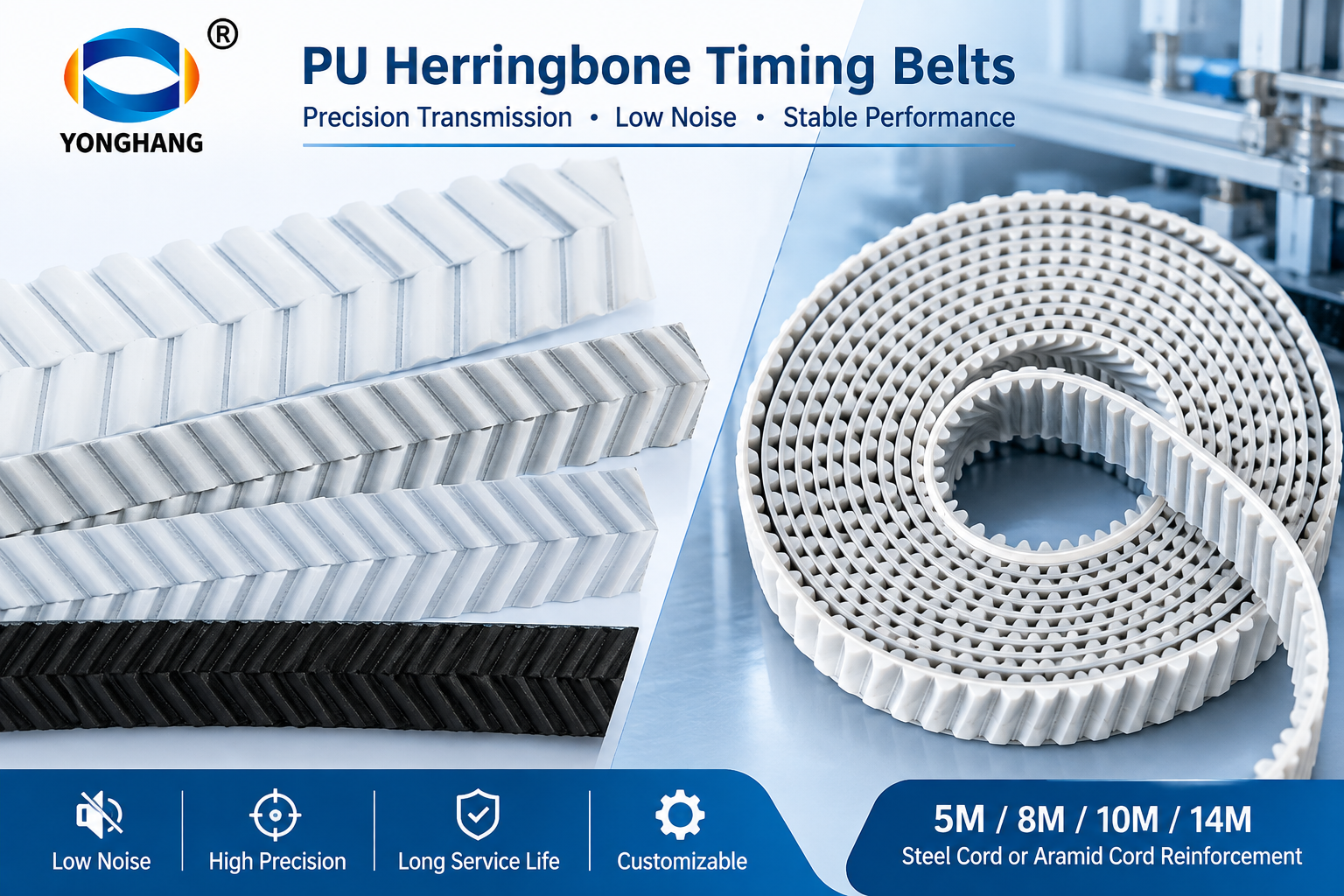
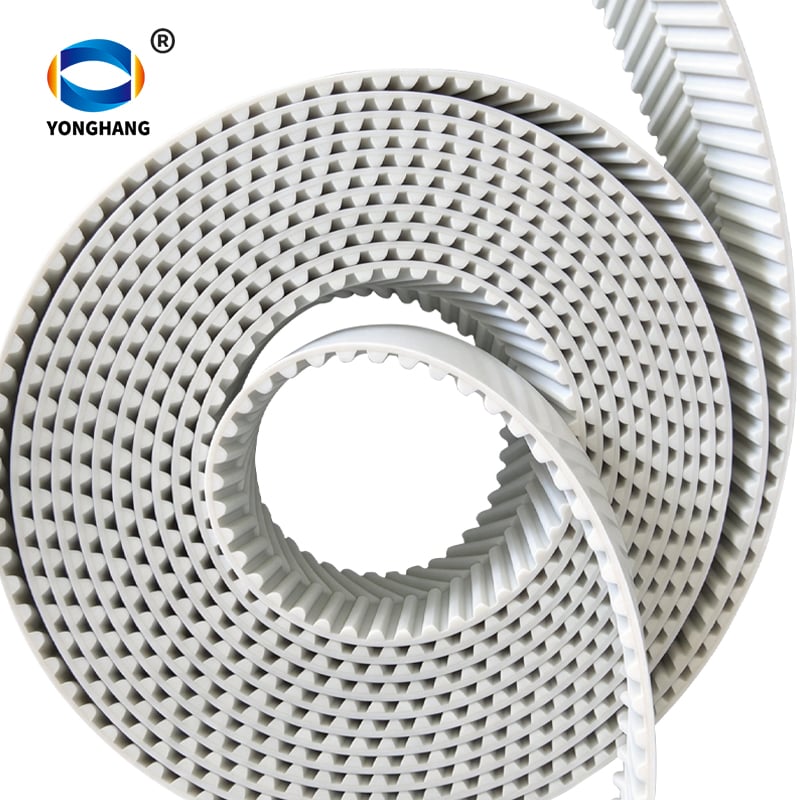
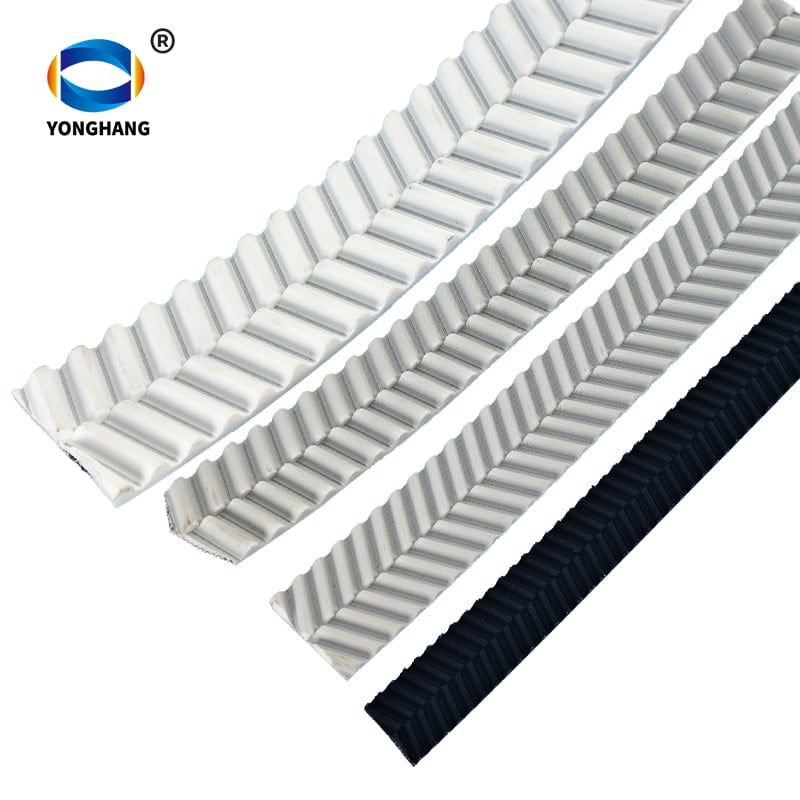
Selecting the correct timing belt is essential for building a reliable industrial transmission system. For equipment manufacturers working with long-distance drives, automated positioning mechanisms, or synchronized conveying systems, the belt's toot...
VIEW MORE
In modern industrial automation, transmission accuracy, operating noise, and mechanical stability are important factors when selecting a timing belt. As machinery becomes more advanced and production systems require increasingly precise movement, con...
VIEW MORE
If you have ever stood next to a running conveyor or CNC machine and noticed a high-pitched whine, rhythmic clicking, or visible belt tracking issues, you have experienced the inherent limitations of standard straight-tooth timing belts. For decades,...
VIEW MORE
When engineering a linear motion system, long-distance conveyor, or precision automation line, selecting the correct timing belt pitch is one of the most impactful decisions for performance, durability, and cost efficiency. Among the various synchron...
VIEW MORE
Introduction Vertical wall-climbing robots are designed to move across surfaces that conventional wheeled or tracked machines cannot easily access. They are used in applications such as steel structure inspection, industrial maintenance, surface clea...
VIEW MORE
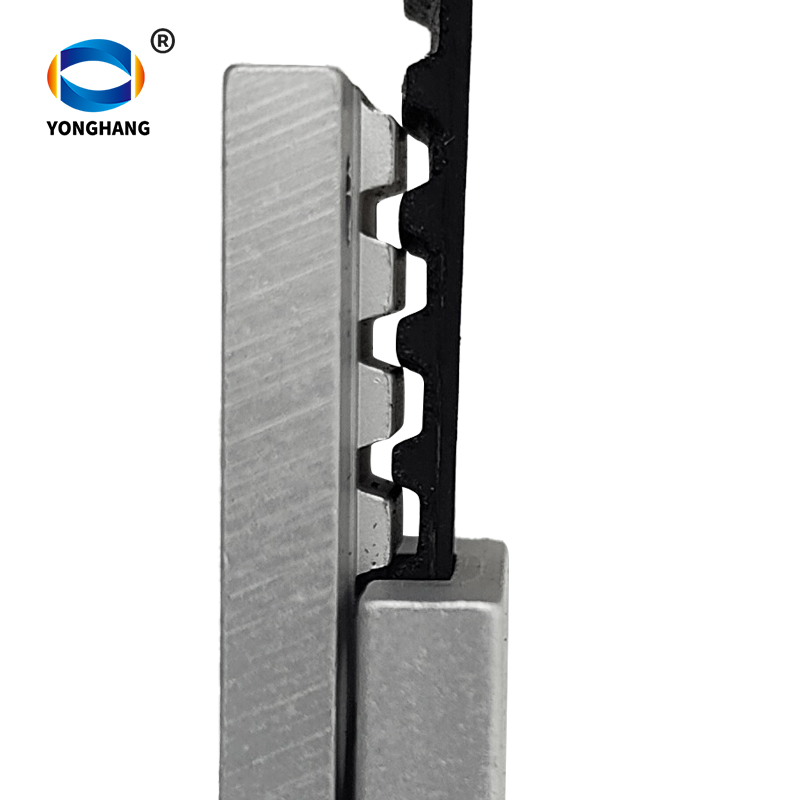
Why Correct Timing Belt Clamping Plate Installation Matters A timing belt clamping plate creates the connection between a timing belt and a machine component. In belt-driven linear motion systems, this connection may determine how effectively the bel...
VIEW MORE
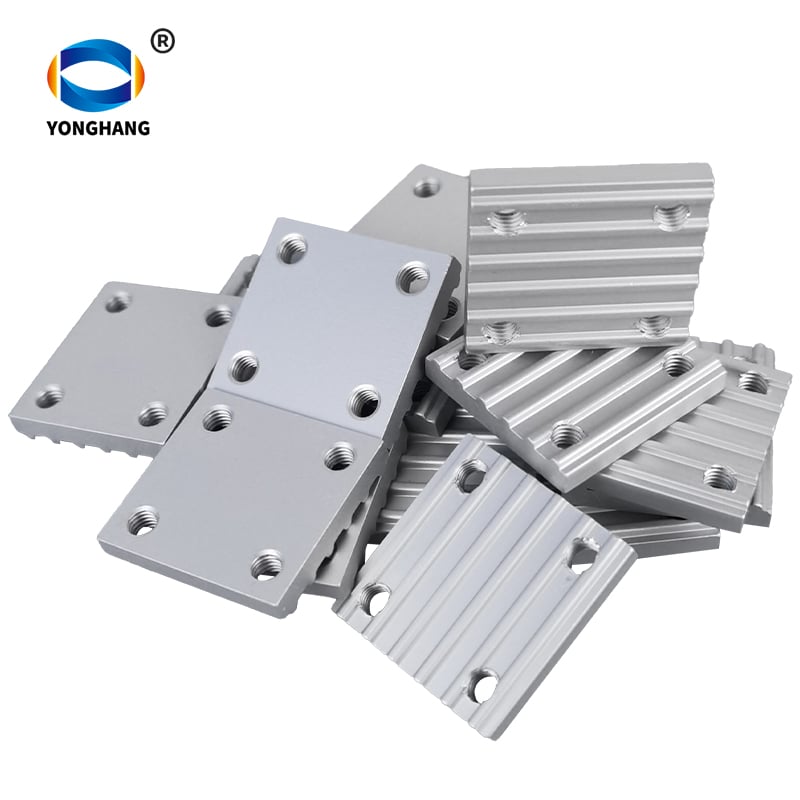
What Is a Timing Belt Clamping Plate? A timing belt clamping plate is a mechanical component designed to secure a timing belt to a machine frame, moving carriage, positioning platform, or other structural component. It is particularly useful in belt-...
VIEW MORE
When conventional conveyor belts or standard timing belts are exposed to extreme heat, maintaining reliable transmission is only part of the challenge. The belt surface must also protect the workpiece from heat damage, scratches, scorching, and other...
VIEW MORE
In a commercial laundry, the quality of the ironing process depends on much more than the heating system itself. The flatwork ironer belt must transport linen smoothly, tolerate continuous heat, maintain dimensional stability, and work reliably throu...
VIEW MORE
A flatwork ironer can process thousands of sheets, tablecloths, pillowcases, and other linens during a normal production cycle. While most attention is usually given to the main ironing belt, another small component plays an important role in keeping...
VIEW MORE
A commercial laundry depends on reliable equipment to turn washed textiles into smooth, presentable and professionally finished linen. Among the many components inside a flatwork ironing system, the polyester laundry ironer belt may appear simple, bu...
VIEW MORE
In a modern commercial laundry, the flatwork ironer is responsible for one of the most important finishing processes: turning washed and dried linen into smooth, clean, professional-looking fabric. Behind the stable operation of every flatwork ironer...
VIEW MORE
Copyright © Copyright 2024@Guangzhou Yonghang Transmission Belt Co., Ltd. - Privacy Policy