
 EN
 AR
 HR
 DA
 NL
 FR
 DE
 EL
 HI
 IT
 JA
 KO
 NO
 PL
 PT
 RO
 RU
 ES
 TL
 IW
 ID
 SR
 SK
 UK
 VI
 TH
 TR
 AF
 MS
 IS
 HY
 AZ
 KA
 BN
 LA
 MR
 MY
 KK
 UZ
 KY
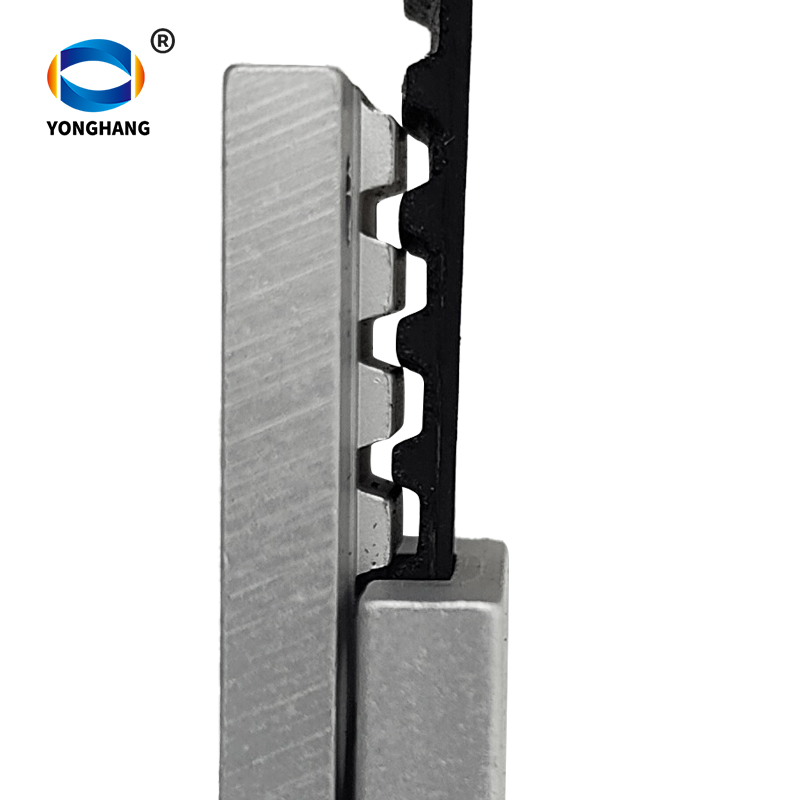
A timing belt clamping plate creates the connection between a timing belt and a machine component. In belt-driven linear motion systems, this connection may determine how effectively the belt moves a carriage, positioning platform, or transfer mechanism.
Incorrect installation can contribute to belt slippage at the attachment point, uneven loading, premature belt damage, or positioning errors. A plate that fits the belt but does not match the mounting arrangement can also cause problems during machine operation.
Correct installation begins with component compatibility and accurate measurements. It also requires suitable fastening, the correct belt-tensioning procedure, and checks after assembly.
The following guide outlines a practical inspection and installation process for industrial maintenance teams, equipment manufacturers, and automation engineers. Always follow the machine manufacturer's instructions and the approved drawing for the specific clamp design.
Before Installation: Check the Belt and Clamping Plate
Before removing an existing component or fitting a replacement, verify that the selected clamping plate is appropriate for the application.
Check these details:
Belt profile and pitch: Confirm the belt designation using its markings, technical documentation, or original equipment specifications.
Belt width: Measure the actual belt width and compare it with the intended clamping plate.
Plate dimensions: Check the overall dimensions, mounting-hole positions, and available clearance.
Clamping design: Confirm whether the plate engages with the belt teeth or uses another specified clamping arrangement.
Condition of existing parts: Inspect the belt ends, fasteners, mounting surface, and plate for visible damage, deformation, or wear.
The Yonghang Timing Belt Clamping Plate product page provides a reference for the product and its listed belt-profile categories.
8 Practical Checks for Installing a Timing Belt Clamping Plate
1. Isolate the Machine Before Starting Work
Stop the equipment and disconnect or isolate its power source according to the site's safety procedure. Apply lockout/tagout controls where required, and verify that hazardous movement or stored energy has been controlled.
Do not attempt to adjust a moving belt or tighten a clamping plate while the mechanism is running.
Allow access to the work area only after the machine is in a safe condition. Follow the equipment manufacturer's instructions for any components that retain tension or energy when the system is stopped.
2. Confirm the Replacement Part
Compare the new plate with the original part or approved technical drawing.
Check its profile compatibility, belt width, overall dimensions, mounting-hole arrangement, and fastener requirements. If the plate is supplied as part of a set, verify that all components correspond to the intended assembly.
Do not assume that a plate is compatible simply because it looks similar to the original. Small differences in tooth geometry, mounting dimensions, or clamping structure can affect installation.
If the replacement part cannot be confirmed, obtain technical clarification before proceeding.
3. Inspect the Timing Belt Ends
For an open-ended belt installation, inspect the belt ends for fraying, cracks, damaged teeth, contamination, deformation, or other visible defects.
A damaged belt end may not be suitable for reuse, even if a new clamping plate is available. Replacing the plate alone will not correct deterioration in the belt.
Use the belt manufacturer's approved preparation procedure. Do not trim, drill, grind, or otherwise modify the belt unless the design and manufacturer specifically permit the operation.
For an endless belt or a different belt arrangement, follow the corresponding equipment-specific installation instructions.
4. Check the Mounting Surface and Alignment
Ensure that the plate's mounting surface is suitable for the intended assembly and that the mounting holes align with the machine structure.
Remove dirt and loose debris that could interfere with seating. Inspect the mounting surface for damage that might cause the plate to sit unevenly.
Where the clamping plate has a toothed interface, confirm that it engages with the corresponding belt teeth as specified by the design. For other clamping structures, follow the manufacturer's specified placement and contact arrangement.
Misalignment can create uneven loading at the belt attachment point. The belt should be positioned as shown in the approved drawing before the fasteners are tightened.
5. Secure the Plate Using the Specified Fasteners
Use the correct fastener type, size, and grade specified for the assembly.
Tighten the fasteners according to the machine or component manufacturer's recommended sequence and torque values. If the specification calls for a particular tightening sequence, follow it to help seat the plate evenly.
Avoid excessive tightening. More clamping force is not automatically better; excessive pressure may damage the belt or the clamping structure.
Do not guess the tightening torque when the required value is unavailable. Confirm the specification before placing the equipment back into service.
6. Set Belt Tension Separately
A clamping plate and a belt-tensioning mechanism serve related but different purposes.
The plate secures the belt at the designated point, while tension must be established through the equipment's specified adjustment system. Correct tension depends on the belt construction, drive arrangement, load, and machine design.
Too little tension may contribute to poor motion control or tooth disengagement in an unsuitable drive arrangement. Excessive tension may increase loading on the belt, shafts, bearings, and supporting components.
Use the prescribed tension value or adjustment method. Do not attempt to compensate for incorrect belt tension by overtightening the clamping plate.
7. Move the Mechanism Manually Where Permitted
Once the assembly has been secured and the appropriate tension has been set, check the mechanism for interference or abnormal resistance using the manufacturer's approved procedure.
Where manual movement is permitted, observe whether the carriage or belt-driven component travels smoothly through its intended range.
Check for unusual contact, rubbing, uneven movement, or visible shifting at the clamp. Never force the mechanism past a point of resistance.
If the movement is abnormal, stop and identify the cause before powered testing. Recheck alignment, mounting dimensions, belt tension, and the condition of the connected components.
8. Perform a Controlled Operational Check
After confirming that assembly checks are complete, reinstall guards and protective devices as required by the machine procedure.
Restore power only when it is safe to do so. Start the equipment using the manufacturer's recommended test procedure, beginning with an appropriate low-speed or low-load check where the machine supports it.
Observe the belt attachment, moving carriage, and relevant fasteners for abnormal motion, slipping, noise, or vibration. Check positioning performance against the machine's specified requirements.
Stop the equipment if the belt shifts in the clamp, visible damage appears, or the mechanism behaves unexpectedly. Investigate the cause rather than continuing to run the machine.
Common Timing Belt Clamping Plate Problems and How to Investigate Them
When a belt-driven mechanism does not operate as expected, the clamping plate is one of several components worth inspecting.
| Symptom | Possible causes | Recommended checks |
|---|---|---|
| Belt movement at the clamping point | Incorrect plate fit, unsuitable clamping arrangement, damaged belt end, or insufficient fastening | Verify compatibility, inspect the belt, and confirm the specified installation procedure. |
| Inaccurate carriage positioning | Belt movement at the clamp, belt tension problems, or issues elsewhere in the drive system | Check the attachment and evaluate the complete drive according to machine specifications. |
| Uneven or visibly damaged belt teeth near the clamp | Incorrect engagement, misalignment, or excessive local loading | Stop operation and inspect the belt interface and mounting alignment. |
| Loose mounting fasteners | Incorrect fastening procedure, unsuitable hardware, or operating vibration | Inspect the hardware and follow the specified replacement and tightening procedure. |
| Abnormal noise or resistance | Misalignment, interference, excessive tension, or another mechanical fault | Isolate the machine and inspect the complete drive mechanism. |
| Repeated problems after replacement | Incorrect part specification or an unresolved machine-level issue | Reconfirm the drawing, belt profile, dimensions, load conditions, and assembly procedure. |
These symptoms do not automatically mean that the clamping plate is defective. A systematic inspection helps identify whether the problem originates at the clamp, the belt, the mounting structure, or another part of the drive.
How to Maintain a Timing Belt Clamping Plate
Routine inspection can help maintenance teams identify problems before they cause unplanned downtime.
Inspect the Fasteners and Mounting Structure
Check for loose fasteners, damaged threads, deformation, corrosion where relevant, or signs that the plate has shifted.
Use the prescribed inspection and tightening procedure. Do not repeatedly retighten fasteners without investigating why they have loosened.
Examine the Belt Contact Area
Look for wear, cracking, fraying, damaged teeth, or local deformation near the clamping point.
These signs may indicate a compatibility issue, uneven contact, excessive load, or incorrect assembly. Replace damaged components according to the equipment manufacturer's recommendations.
Monitor Positioning and Movement
Changes in repeatability, unusual vibration, or inconsistent travel may indicate a developing problem in the belt drive or its attachment.
Compare the observed behavior with the machine's normal operating condition and specified performance limits.
Set an Inspection Frequency Appropriate to the Application
Inspection frequency should reflect operating hours, load, acceleration, environment, and the consequences of a failure.
Equipment that operates continuously or experiences frequent starts and stops may need a different inspection schedule from machinery with a lighter duty cycle. Follow the manufacturer's maintenance plan and applicable site procedures.
Replace Parts Based on Condition and Compatibility
When replacing a clamping plate, check the belt profile, width, mounting geometry, and required material or design specifications again. A replacement should match the actual machine configuration, not simply resemble the previous part.
If the original part is unavailable or its specifications are unclear, provide the supplier with a drawing, measurements, or a sample for evaluation.
How to Source a Replacement Timing Belt Clamping Plate
For a new machine or an existing equipment repair, accurate technical information makes component selection more efficient.
Prepare the following details before contacting a supplier:
-
Timing belt profile and pitch
-
Belt width and construction
-
Clamping plate dimensions
-
Mounting-hole diameter and spacing
-
Required material or surface treatment, if specified
-
Operating environment and relevant load conditions
-
Required quantity
-
Technical drawing, equipment model, or photograph with measurements
These details help the supplier evaluate the intended configuration and identify potential compatibility issues before production or shipment.
Yonghang Transmission Belt provides industrial belt products and related components for a range of machinery applications. Visit the Timing Belt Clamping Plate product page to review the product information and submit your requirements for technical evaluation.
Frequently Asked Questions
How do I know if a timing belt clamping plate is installed correctly?
Confirm that the plate matches the belt profile and width, sits correctly against its mounting surface, and is secured using the specified fasteners and tightening procedure. Check belt tension separately, then conduct the manufacturer's recommended movement and operational tests.
What causes a timing belt to slip at the clamping plate?
Potential causes include an incompatible plate, incorrect positioning, damage to the belt end, unsuitable clamping force, or incorrect fastening. Belt slippage can also be associated with other problems in the drive system, so inspect the full assembly before deciding on a repair.
Should I replace the clamping plate whenever I replace a timing belt?
Not necessarily. The decision depends on the plate's condition, compatibility with the replacement belt, and the machine manufacturer's maintenance requirements. Inspect the plate and its mounting hardware before reuse.
Does a timing belt clamping plate require regular maintenance?
Yes, periodic inspection is advisable for equipment that relies on a secure belt attachment. Check fasteners, the belt contact area, mounting alignment, and abnormal movement according to the machine's maintenance plan.
Can I use a universal timing belt clamping plate?
A universal plate should not be assumed to fit every timing belt. Confirm the profile, pitch, width, clamping method, mounting dimensions, and operating requirements for the specific application.
Conclusion
Reliable timing belt clamping plate installation depends on correct component selection, accurate alignment, appropriate fastening, and proper belt tension. Regular inspection can help identify wear, loosening, and compatibility problems before they develop into more serious equipment issues.
For machinery manufacturers and maintenance professionals, confirming the original dimensions and belt specifications is an important step toward a reliable replacement.
For additional product information or help evaluating a particular configuration, visit the Yonghang Timing Belt Clamping Plate page and prepare your belt specifications, mounting dimensions, and technical drawing before requesting a quotation.
Table of Contents
- Before Installation: Check the Belt and Clamping Plate
-
8 Practical Checks for Installing a Timing Belt Clamping Plate
- 1. Isolate the Machine Before Starting Work
- 2. Confirm the Replacement Part
- 3. Inspect the Timing Belt Ends
- 4. Check the Mounting Surface and Alignment
- 5. Secure the Plate Using the Specified Fasteners
- 6. Set Belt Tension Separately
- 7. Move the Mechanism Manually Where Permitted
- 8. Perform a Controlled Operational Check
- Common Timing Belt Clamping Plate Problems and How to Investigate Them
- How to Maintain a Timing Belt Clamping Plate
- How to Source a Replacement Timing Belt Clamping Plate
-
Frequently Asked Questions
- How do I know if a timing belt clamping plate is installed correctly?
- What causes a timing belt to slip at the clamping plate?
- Should I replace the clamping plate whenever I replace a timing belt?
- Does a timing belt clamping plate require regular maintenance?
- Can I use a universal timing belt clamping plate?
- Conclusion