
 EN
EN
 AR
AR
 HR
HR
 DA
DA
 NL
NL
 FR
FR
 DE
DE
 EL
EL
 HI
HI
 IT
IT
 JA
JA
 KO
KO
 NO
NO
 PL
PL
 PT
PT
 RO
RO
 RU
RU
 ES
ES
 TL
TL
 IW
IW
 ID
ID
 SR
SR
 SK
SK
 UK
UK
 VI
VI
 TH
TH
 TR
TR
 AF
AF
 MS
MS
 IS
IS
 HY
HY
 AZ
AZ
 KA
KA
 BN
BN
 LA
LA
 MR
MR
 MY
MY
 KK
KK
 UZ
UZ
 KY
KY
A flatwork ironer can process thousands of sheets, tablecloths, pillowcases, and other linens during a normal production cycle. While most attention is usually given to the main ironing belt, another small component plays an important role in keeping the belt running correctly: the ironer guide tape.
An ironer guide tape is designed to help control the lateral movement of the main flatwork ironer belt. It works along the belt edge and within the machine's guide system to reduce belt wandering, improve edge positioning, and support stable textile feeding.
This component may be narrow and thin, but its effect on machine reliability can be significant.
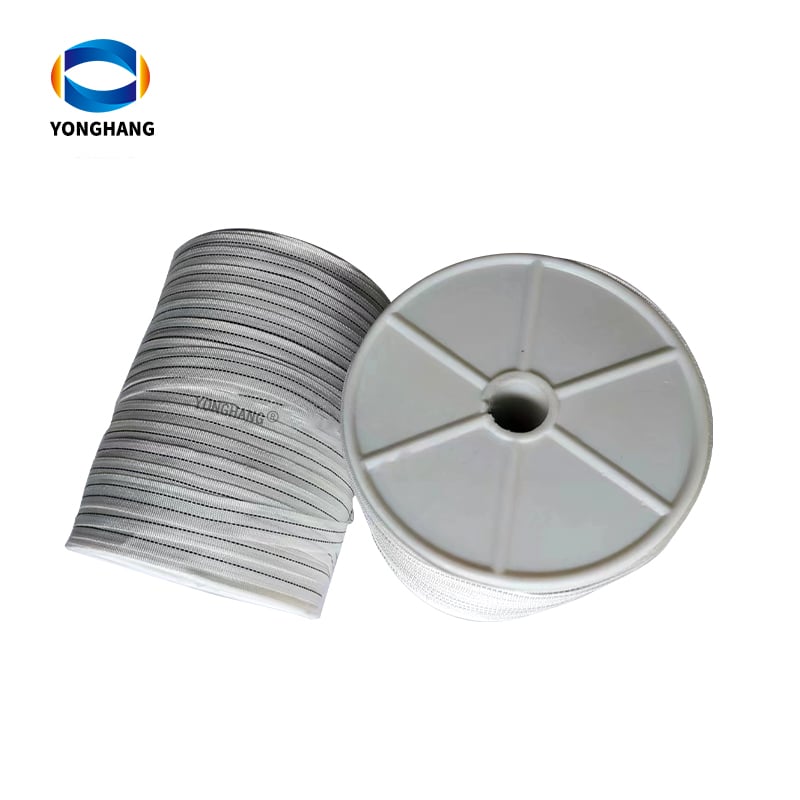
Yonghang's 0.5mm Thin Heat-Stabilized Polyester Ironer Guide Tape is designed specifically for commercial flatwork ironing systems. It is available in 12mm, 15mm, and 18mm standard widths, with a continuous operating rating of 180°C and customizable lengths and widths.
What Is an Ironer Guide Tape?
An ironer guide tape is a narrow, heat-resistant strip installed along the edge of a flatwork ironer belt to help maintain accurate lateral belt positioning.
The main flatwork ironer belt is responsible for transporting linen through the ironing system. However, any continuous belt can experience some degree of sideways movement during operation.
Without effective edge guidance, belt wandering can lead to:
-
Uneven belt wear
-
Edge fraying
-
Misalignment
-
Unstable textile feeding
-
Increased friction
-
Frequent tracking adjustments
-
Premature belt replacement
The guide tape acts as a dedicated wear component between the main belt and the guide mechanism.
Yonghang describes this product as a precision guiding component for belt tracking, edge positioning, and linen feeding alignment in commercial steam flatwork ironing systems.
Why Does a Flatwork Ironer Need Guide Tape?
A flatwork ironer operates continuously under heat, tension, friction, and repeated bending. These conditions can gradually influence how the main belt moves.
A belt may drift laterally because of:
-
Uneven tension
-
Roller alignment
-
Repeated mechanical loading
-
Guide rail friction
-
Belt wear
-
Installation conditions
-
Changes in operating temperature
A guide tape provides a controlled contact surface for the tracking system.
Instead of allowing the main belt edge to repeatedly rub against machine components, the guide tape helps manage that contact and keeps the belt closer to its intended running position.
This makes the guide tape more than an accessory. It functions as an important belt tracking and positioning wear part.
How Does an Ironer Guide Tape Work?
The operating principle is relatively simple.
The guide tape is positioned along the edge of the main flatwork ironer belt and interacts with the machine's guide rails, rollers, or edge-positioning components.
As the main belt moves:
-
The belt begins to experience normal lateral movement.
-
The guide system contacts the guide tape.
-
The tape provides a controlled sliding or guiding surface.
-
Lateral movement is limited.
-
The main belt remains more accurately positioned.
-
Uneven edge wear and tracking instability can be reduced.
Yonghang states that the guide tape is installed along both edges of the main flatwork ironer belt to maintain lateral positioning and minimize belt wander, mis-tracking, and uneven edge wear.
Why Is 0.5mm Thickness Important?
One of the defining characteristics of this product is its 0.5mm precision-calibrated thickness.
A guide tape does not need to be thick like a conventional conveyor belt. In many flatwork ironer designs, the guide tape must fit inside a relatively narrow guide channel without creating unnecessary interference.
The thin 0.5mm profile provides several practical advantages.
Low-Profile Installation
The tape can sit relatively flush within the guide rail system rather than creating a large projection.
This is especially useful in compact ironer guide channels.
Reduced Snagging Risk
A bulky guide component can potentially interfere with textile movement.
A low-profile guide tape helps minimize protrusions that could catch on delicate linen.
Better Compatibility With Compact Guide Systems
Modern commercial flatwork ironers may use narrow guide grooves and precision edge-positioning systems.
A thin tape can be more suitable for these layouts.
Controlled Contact
The thickness is designed for guide-track applications rather than primary load-bearing transportation.
The result is a specialized component that performs a specific tracking function without unnecessarily increasing the profile of the belt edge.
Why Use Heat-Stabilized Polyester?
A flatwork ironer is a heat-intensive machine.
The guide tape may be exposed continuously to elevated temperatures and steam, so dimensional stability is important.
Yonghang's guide tape uses high-tenacity continuous filament polyester yarns with controlled heat-setting treatment. The product is specified for continuous operation up to 180°C.
Heat stabilization is particularly useful because a guide tape that changes dimension significantly during operation can affect:
-
Tracking accuracy
-
Belt tension
-
Edge positioning
-
Service life
-
Maintenance frequency
The objective is not simply to make a belt “heat resistant.” The guide tape must remain dimensionally consistent enough to continue performing its guiding function over repeated operating cycles.
Key Advantages of 0.5mm Polyester Ironer Guide Tape
Yonghang's product combines several design features intended for continuous commercial laundry operation.
180°C Continuous Operating Capability
The guide tape is specified for continuous operation up to 180°C, making it suitable for demanding commercial steam flatwork ironing conditions.
Low Elongation
The high-tenacity polyester substrate is designed for low elongation under sustained operating tension.
Lower elongation helps maintain more consistent belt guidance and can reduce the need for repeated tension adjustments.
Reinforced Selvedges
The edges are reinforced to withstand repeated sliding friction against guide rails and related hardware.
This can help reduce edge fraying during continuous production.
Anti-Static Surface
Static electricity can encourage lint and loose textile fibers to cling to a belt or guide surface.
The product includes an anti-static surface treatment intended to help dissipate static buildup and support smoother linen feeding.
Standard Width Choices
The guide tape is available in three standard widths:
12mm · 15mm · 18mm
These sizes are intended to match common flatwork ironer guide rail and edge positioning systems.
Custom Widths and Lengths
For replacement and retrofit projects, standard dimensions are not always sufficient.
Yonghang also states that custom widths and bulk roll lengths can be produced according to machine requirements.
12mm vs. 15mm vs. 18mm Ironer Guide Tape
A common purchasing question is:
Which width should I choose—12mm, 15mm, or 18mm?
The correct answer depends on the guide system of the machine.
12mm Guide Tape
A 12mm tape may be suitable for machines using a narrower guide channel or compact edge-positioning arrangement.
15mm Guide Tape
15mm provides an intermediate option and can be suitable for guide systems with a moderately wider contact area.
18mm Guide Tape
An 18mm tape provides a wider guide surface and may be appropriate for machines designed around a larger guide channel.
The important point is that the widest tape is not automatically the best choice.
The guide tape should match the original guide-channel dimensions and machine design.
For a replacement order, measuring the original tape is usually safer than selecting a width based only on the appearance of the machine.
How to Choose the Correct Ironer Guide Tape
When selecting a replacement ironer guide tape, consider the following factors.
1. Original Width
Measure the existing tape carefully.
For Yonghang's product, the standard options are 12mm, 15mm, and 18mm.
2. Thickness
This product uses a 0.5mm low-profile construction.
Replacing it with a substantially thicker tape may affect how the guide system works.
3. Operating Temperature
Confirm the real working temperature of the machine.
The Yonghang product is rated for continuous operation up to 180°C.
4. Guide Rail Design
The width of the tape should correspond with the machine's guide channel, rail, and edge-positioning system.
5. Belt Type
Check the main belt used with the guide tape.
The guide tape should be compatible with the flatwork ironer belt's dimensions and operating conditions.
6. Replacement Length
Some users need short replacement sections, while others need long rolls for scheduled maintenance.
Yonghang offers customizable lengths and bulk roll supply.
What Happens When the Guide Tape Is Worn?
Because the guide tape is often hidden inside the machine's edge-guiding system, its wear may not be noticed immediately.
Typical warning signs include:
Increasing Belt Wander
If the main belt begins moving sideways more frequently, the guide system should be inspected.
Edge Fraying
Visible damage to the guide tape can indicate excessive friction or long-term wear.
Repeated Tracking Adjustments
If operators need to correct belt position more often than before, the guide tape may no longer be maintaining its original tracking performance.
Uneven Main Belt Edge Wear
Uneven wear along the main belt edge can indicate excessive lateral movement or guide-system problems.
Abnormal Noise
Repeated contact between a worn guide tape and metal guide hardware can create unusual friction or operating noise.
Can a Worn Guide Tape Damage the Main Ironer Belt?
Yes, it can contribute to premature belt wear.
The purpose of an ironer guide tape is partly to create a controlled wear interface between the main belt and the machine's guiding system.
When the guide tape becomes damaged, excessive friction may be transferred to the edge of the main ironer belt.
Over time, that can contribute to:
-
Edge wear
-
Fraying
-
Tracking instability
-
Uneven belt loading
-
Shorter belt service life
This is why replacing an inexpensive guide tape at the appropriate maintenance interval can sometimes help protect a significantly more expensive main ironer belt.
Ironer Guide Tape vs. Main Ironer Belt
These two components are related but perform different jobs.
| Component | Main Function |
|---|---|
| Flatwork ironer belt | Transports linen through the ironing system |
| Ironer guide tape | Controls lateral belt position and edge tracking |
| Guide rail | Provides the mechanical path for belt positioning |
| Roller | Supports and drives belt movement |
The main ironer belt handles textile transportation.
The guide tape primarily handles lateral positioning.
Confusing the two can lead to incorrect replacement choices.
Where Is Polyester Ironer Guide Tape Used?
According to Yonghang's product specifications, this guide tape is intended for commercial laundry ironing machines, including applications in:
-
Hotel laundry facilities
-
Hospital linen processing rooms
-
Industrial laundry plants
-
Flatwork ironer tracking systems
-
Linen feeding and alignment systems
-
Ironing and folding production lines
Its main application is not transporting the textile itself. Its role is to support accurate belt tracking and edge positioning.
Why Is Anti-Static Treatment Useful in Laundry Machines?
Laundry environments naturally produce lint, fibers, and textile dust.
Static buildup can increase the tendency of lightweight particles and fibers to adhere to polymer surfaces.
Yonghang's guide tape uses an anti-static surface treatment to help dissipate static charge and reduce lint and fiber adhesion.
This can support smoother feeding, particularly in high-speed ironing and folding processes.
The anti-static treatment should be considered a supporting feature rather than a substitute for proper cleaning and machine maintenance.
How to Maintain an Ironer Guide Tape
Even a heat-stabilized guide tape should be inspected regularly.
A practical inspection should include:
Check the edges:
Look for fraying, cuts, or abnormal wear.
Check tracking:
Observe whether the main belt is moving laterally.
Check tension:
Make sure the guide tape and main belt are not operating under abnormal tension.
Check guide hardware:
Inspect guide rails and contact surfaces for sharp edges or excessive wear.
Check for contamination:
Look for lint accumulation, textile residue, or other material that may affect smooth movement.
Check installation:
Make sure the tape remains properly positioned within the guide system.
Regular inspection is especially useful in high-volume laundry facilities where small alignment problems can develop into larger maintenance issues.
Why Thin Guide Tape Can Be Better Than a Thick Replacement
It may seem logical that a thicker tape should last longer.
For a guide tape, however, thickness must match the machine design.
A guide tape that is too thick can:
-
Sit incorrectly inside the guide channel
-
Increase friction
-
Change belt edge geometry
-
Interfere with nearby components
-
Increase the chance of textile snagging
A 0.5mm low-profile guide tape is designed specifically to operate within a compact guide system. Its value comes from controlled geometry and dimensional stability, not simply material thickness.
When Should a Laundry Facility Replace Its Ironer Guide Tape?
There is no single replacement interval that applies to every machine.
Replacement timing depends on:
-
Daily operating hours
-
Machine temperature
-
Textile volume
-
Belt tension
-
Guide rail condition
-
Friction level
-
Cleaning practices
-
Existing tape quality
Instead of replacing the tape only after complete failure, many facilities can reduce downtime by inspecting it during scheduled maintenance and replacing it when significant wear is detected.
How to Order the Correct Ironer Guide Tape
To identify the correct product, prepare the following information:
-
Flatwork ironer machine brand and model
-
Existing guide tape width
-
Existing thickness
-
Required roll length
-
Operating temperature
-
Main ironer belt specification
-
Photos of the existing guide system
-
Required quantity
For Yonghang's 0.5mm Polyester Ironer Guide Tape, the standard widths are 12mm, 15mm, and 18mm, while custom widths and lengths are available.
Providing the original tape dimensions and a photo of the guide channel can help reduce ordering mistakes.
Frequently Asked Questions About Ironer Guide Tape
What is an ironer guide tape?
An ironer guide tape is a narrow wear and tracking component installed along a flatwork ironer belt edge to help control lateral movement and maintain accurate belt positioning.
What thickness is Yonghang's ironer guide tape?
Yonghang's product has a 0.5mm precision-calibrated thickness designed for low-profile installation inside flatwork ironer guide channels.
What widths are available?
The standard widths are 12mm, 15mm, and 18mm. Custom widths are also available.
What temperature can the polyester guide tape withstand?
The product is specified for continuous operation up to 180°C.
Is the ironer guide tape made from polyester?
Yes. The substrate is made from high-tenacity polyester yarns and is heat-set for improved dimensional stability under continuous thermal exposure.
What does an ironer guide tape do?
Its primary function is to help maintain the lateral position of the main flatwork ironer belt, reducing belt wandering, mis-tracking, and uneven edge wear.
Can the guide tape be customized?
Yes. Yonghang specifies customizable widths and roll lengths for machine-specific replacement and retrofit requirements.
Can I use an ironer guide tape for the main belt?
No. The guide tape and main ironer belt perform different functions. The guide tape is designed for belt tracking and edge positioning rather than primary textile transportation.
Is anti-static treatment important for laundry guide tape?
It can be useful because static charge may encourage lint and textile fibers to adhere to polymer surfaces. Yonghang's tape includes an anti-static surface treatment for this purpose.
Conclusion
A reliable flatwork ironing system depends on more than the main conveyor or ironer belt.
The ironer guide tape provides an important supporting function by helping control lateral belt movement, stabilize edge positioning, reduce uneven wear, and maintain consistent textile feeding.
Yonghang's 0.5mm Thin Heat-Stabilized Polyester Ironer Guide Tape is designed for commercial flatwork ironing systems and combines a low-profile construction with 180°C continuous operating capability, low elongation, reinforced edges, anti-static treatment, and 12mm, 15mm, and 18mm standard widths. Custom widths and lengths are also available for specific machine requirements.
For hotel laundries, hospital linen facilities, and industrial laundry plants, selecting the correct guide tape can be a simple but effective way to support stable belt tracking and reduce unnecessary maintenance.
When replacing an ironer guide tape, always match the width, thickness, temperature rating, guide-channel geometry, and installation method to the original machine.
The right guide tape is not simply a small strip of polyester. It is a precision wear component that helps the entire flatwork ironer system run more accurately and reliably.
Table of Contents
- What Is an Ironer Guide Tape?
- Why Does a Flatwork Ironer Need Guide Tape?
- How Does an Ironer Guide Tape Work?
- Why Is 0.5mm Thickness Important?
- Why Use Heat-Stabilized Polyester?
- Key Advantages of 0.5mm Polyester Ironer Guide Tape
- 12mm vs. 15mm vs. 18mm Ironer Guide Tape
- How to Choose the Correct Ironer Guide Tape
- What Happens When the Guide Tape Is Worn?
- Can a Worn Guide Tape Damage the Main Ironer Belt?
- Ironer Guide Tape vs. Main Ironer Belt
- Where Is Polyester Ironer Guide Tape Used?
- Why Is Anti-Static Treatment Useful in Laundry Machines?
- How to Maintain an Ironer Guide Tape
- Why Thin Guide Tape Can Be Better Than a Thick Replacement
- When Should a Laundry Facility Replace Its Ironer Guide Tape?
- How to Order the Correct Ironer Guide Tape
-
Frequently Asked Questions About Ironer Guide Tape
- What is an ironer guide tape?
- What thickness is Yonghang's ironer guide tape?
- What widths are available?
- What temperature can the polyester guide tape withstand?
- Is the ironer guide tape made from polyester?
- What does an ironer guide tape do?
- Can the guide tape be customized?
- Can I use an ironer guide tape for the main belt?
- Is anti-static treatment important for laundry guide tape?
- Conclusion