EN
EN
 AR
AR
 HR
HR
 DA
DA
 NL
NL
 FR
FR
 DE
DE EL
EL
 HI
HI
 IT
IT JA
JA
 KO
KO
 NO
NO PL
PL PT
PT RO
RO
 RU
RU
 ES
ES
 TL
TL
 IW
IW
 ID
ID
 SR
SR
 SK
SK
 UK
UK VI
VI
 TH
TH
 TR
TR
 AF
AF
 MS
MS
 IS
IS
 HY
HY
 AZ
AZ
 KA
KA
 BN
BN
 LA
LA
 MR
MR
 MY
MY
 KK
KK
 UZ
UZ
 KY
KY

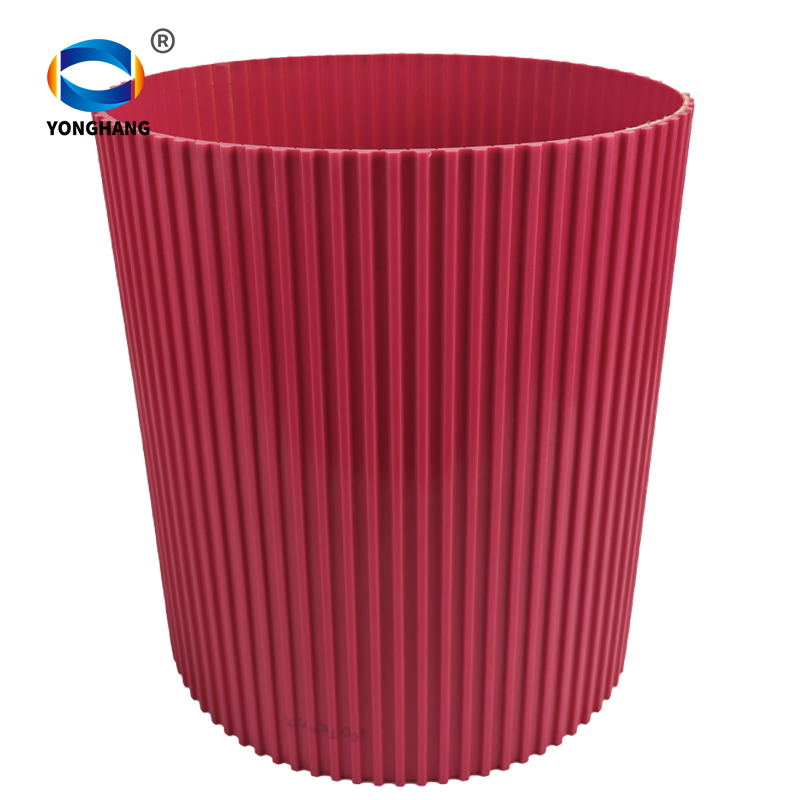
PU-tydriem met gegoteerde agterkantgroefproses
In die veeleisende landskap van sinkroon kragoordrag is die interaksie tussen die agterkant van 'n poliuretaan (PU) tydband en die skyfies of spanrolle wat dit ontmoet net so krities as die tande-inklipping self. Hoewel ná-vervaardigingsfresewerk agterkantgroewe kan skep, is die struktureel sterkste en hoë-prestasie metode die integraal gevormde proses . Hierdie vervaardigingstegniek smelt vorm en funksie in een presiese bewerking saam, wat lei tot 'n superieure produk wat spesifiek vir hoëspoed-, hoëbuigbaarheid-toepassings ontwerp is.
- Inleiding
Inleiding
Die Presisie-ingenieurswese van Integraal gevormde agterkantgroewe op PU-timingrieme
In die veeleisende landskap van sinkroon kragoordrag is die interaksie tussen die agterkant van 'n poliuretaan (PU) tydband en die skyfies of spanrolle wat dit ontmoet net so krities as die tande-inklipping self. Hoewel ná-vervaardigingsfresewerk agterkantgroewe kan skep, is die struktureel sterkste en hoë-prestasie metode die integraal gevormde proses . Hierdie vervaardigingstegniek smelt vorm en funksie in een presiese bewerking saam, wat lei tot 'n superieure produk wat spesifiek vir hoëspoed-, hoëbuigbaarheid-toepassings ontwerp is.
Hierdie artikel verskaf 'n tegniese oorsig van hoekom die aanvaarding van die gevormde agterkantgroefproses die beter keuse is om die prestasie van PU-timingrieme te optimaliseer.
Begrip van die Integraal-gevormde Proses
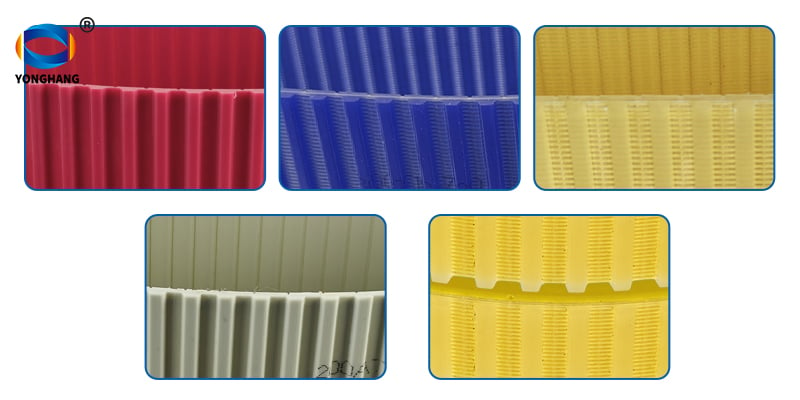
Die gevormde agterkantgroefproses onderskei homself deur die teenoorgestelde groewe saam met die primêre riemstruktuur te skep. gelyktydig dit word bereik met behulp van spesiale vormrolle wat negatiewe rante—die presiese spieëlbeeld van die gewenste groefprofiel—op hul oppervlak het.
Tydens die giet- of spuitgietfase word gesmelte termoplastiese poliuretaan in die vormholte ingevoer, wat reeds die spiraalvormig gewonde staal- of aramied-trekkoorde bevat. Terwyl die PU vloei, vul dit die tande-holtes en omhul die trekkoorde. Gelyktydig word die materiaal teen die gerande vormrol gedruk, wat die vorming van die langsgewyse groewe op die band se agterkant in een gesinchroniseerde stap dwing.
Die band kom uit die vorm met sy tande, interne versterking en agterkant-tekstuur volledig gevorm, wat geen sekondêre versnyding vereis om sy groefprofiel te bereik nie.
Belangrikste voordele van die gevormde benadering
Die aanvaarding van hierdie eenstuk, geïntegreerde vervaardigingsmetode bied beslissende prestasie- en strukturele voordele bo sekondêre fresebewerkings:
1. Onaangetaste strukturele integriteit en sterkte
Miskien is die belangrikste voordeel die bewaring van die gordel se kernversterking. By na-produksie-snyprosesse word materiaal met 'n draaiende snyer van 'n voltooide gordel verwyder. Indien die snydiepte nie perfek beheer word nie, kan die snyer die kritieke trekkoorde (staal of aramied) "aanbrand" of deursny, wat die gordel se lasvermoë en bedryfslewe drasties verminder.
Die gevormde proses elimineer hierdie risiko heeltemal. Die trekkoorde bly optimaal geposisioneer binne die PU-matriks, en die groewe word gevorm ongeveer tydens polimerisasie. Die aanhoudende binding tussen die PU en die versterking bly ononderbreek.
2. Verbeterde buigsaamheid sonder vermoeidheid
Langsgewyse groewe word hoofsaaklik geïmplementeer om 'n band se buigbaarheid te verhoog, veral vir toepassings wat klein-deursnee skyfies of agterwaartse buiging behels. Gegote groewe bereik hierdie optimalisering sonder om nuwe materiaalspannings in te voer. Aangesien die groewe deel is van die oorspronklike vorm, pas die PU-materiaal molekulêr by die profiel aan, terwyl gesnyde groewe skerp, meganiese rande skep wat spanningkonsentrasiepunte kan word wat onder herhaalde buiging aan vroegtydige kraking onderwerp is.
3. Uitstekende Homogeniteit en Dimensionele Konsekwentheid
Integraal gevormde bande toon perfekte materiaalhomogeniteit. Die PU-digtheid bly deurlopend konstant in die hele bandliggaam, in teenstelling met gesnyde bande waar die materiaaldigtheid effens kan wissel naby die gesnyde oppervlak. Verder bied gegote profiele ekstreme dimensionele presisie. Die groefdiepte, -wydte en -afstand word bepaal deur die presisie-gemaakte gietrol, wat verseker dat elke millimeter van die agterkant van die band identies is. Hierdie vlak van konsekwentheid is van kardinale belang vir vibrasiedemping en voorspelbare volggedrag by hoë spoed.
4. Geoptimaliseerde afval- en lugbestuur
Die primêre funksionele rol van omgekeerde groewe is om ventilasiepaaie (ventilasiegroewe) vir lug wat tussen die bandrug en die katrol vasgevang word, te verskaf. Gegote groewe word gewoonlik ontwerp met geoptimaliseerde, gladde radiusse wat laminêre lugvloei fasiliteer en effektief die hoë-tonige kompressieskreeu wat algemeen is in nie-geventileerde stelsels, elimineer. Verder weerstaan hierdie gladde gegote kanale verstopping beter as ruwer gefreesde groewe en verwyder besoedelings, stof en prosesafval van die kritieke kontakoppervlaktes met groter doeltreffendheid.
Gevolgtrekking
Vir ingenieurs en onderhoudspesialiste wat maksimum betroubaarheid en bedryfslewe van hul sinkroon-aandrywings soek, is die aanvaarding van PU-tydbandjies wat met geïntegreerde gegote groewe aan die agterkant vervaardig is, 'n vereiste. Deur sekondêre snybewerkings te vermy, behou hierdie proses die band se treksterkte, verseker ongeëwenaarde dimensionele akkuraatheid en optimaliseer materiaalhomogeniteit. In die mededingende wêreld van hoëspoedoutomatisering en presisie-transport het die gegote-groef-proses die strukturele integriteit wat nodig is om stelsels glad en doeltreffend aan die gang te hou.