
 EN
EN
 AR
AR
 HR
HR
 DA
DA
 NL
NL
 FR
FR
 DE
DE
 EL
EL
 HI
HI
 IT
IT
 JA
JA
 KO
KO
 NO
NO
 PL
PL
 PT
PT
 RO
RO
 RU
RU
 ES
ES
 TL
TL
 IW
IW
 ID
ID
 SR
SR
 SK
SK
 UK
UK
 VI
VI
 TH
TH
 TR
TR
 AF
AF
 MS
MS
 IS
IS
 HY
HY
 AZ
AZ
 KA
KA
 BN
BN
 LA
LA
 MR
MR
 MY
MY
 KK
KK
 UZ
UZ
 KY
KY

- Introduction
Introduction
Product Overview
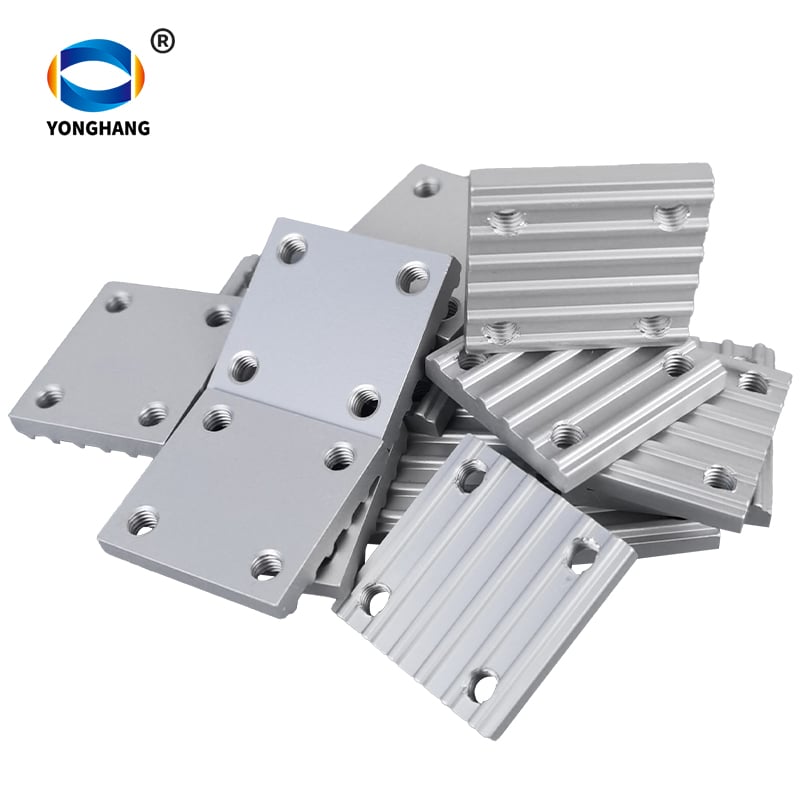
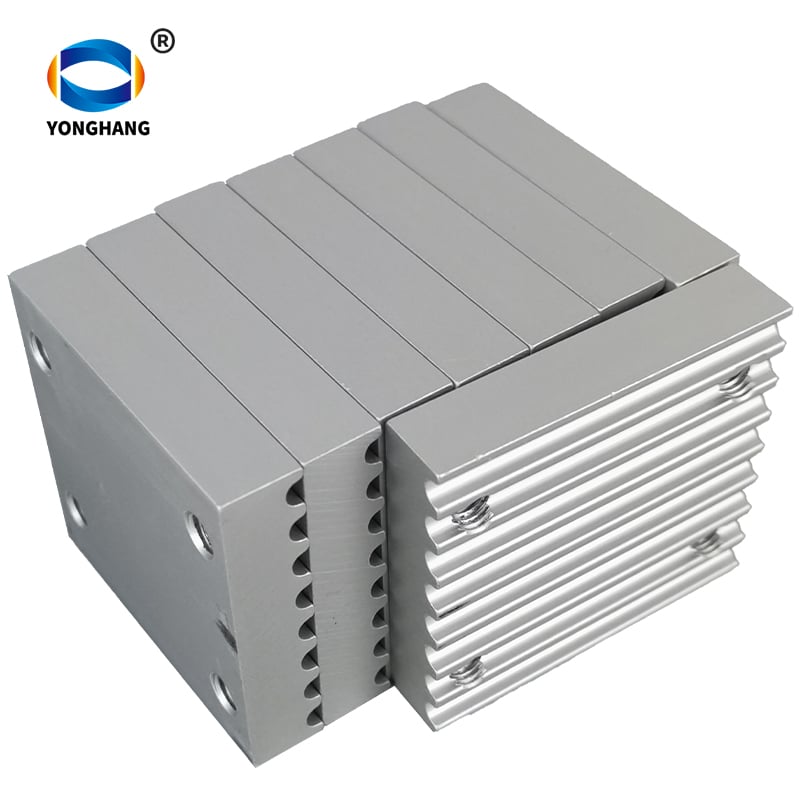
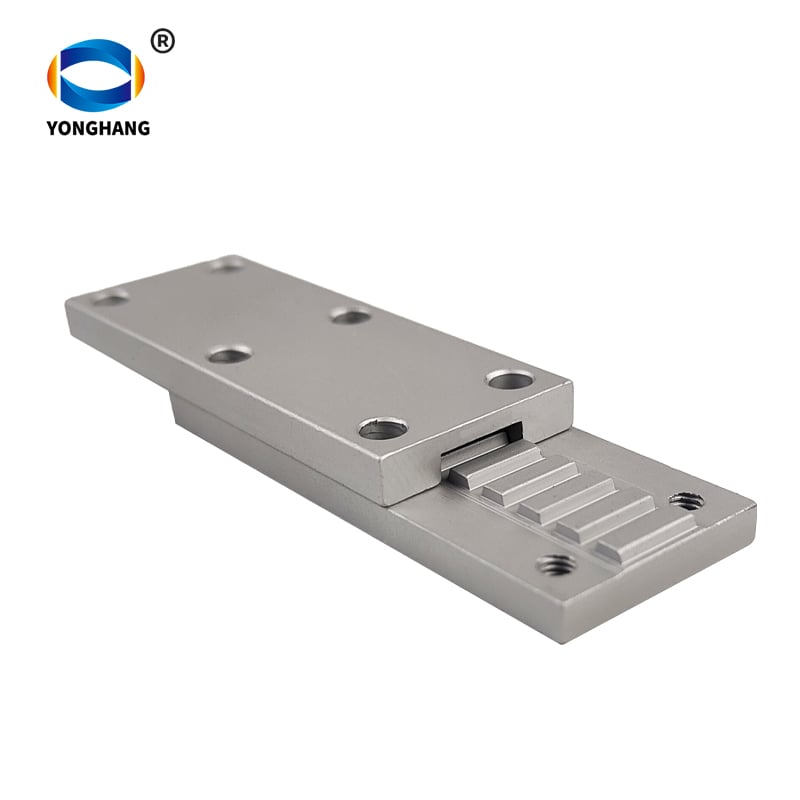
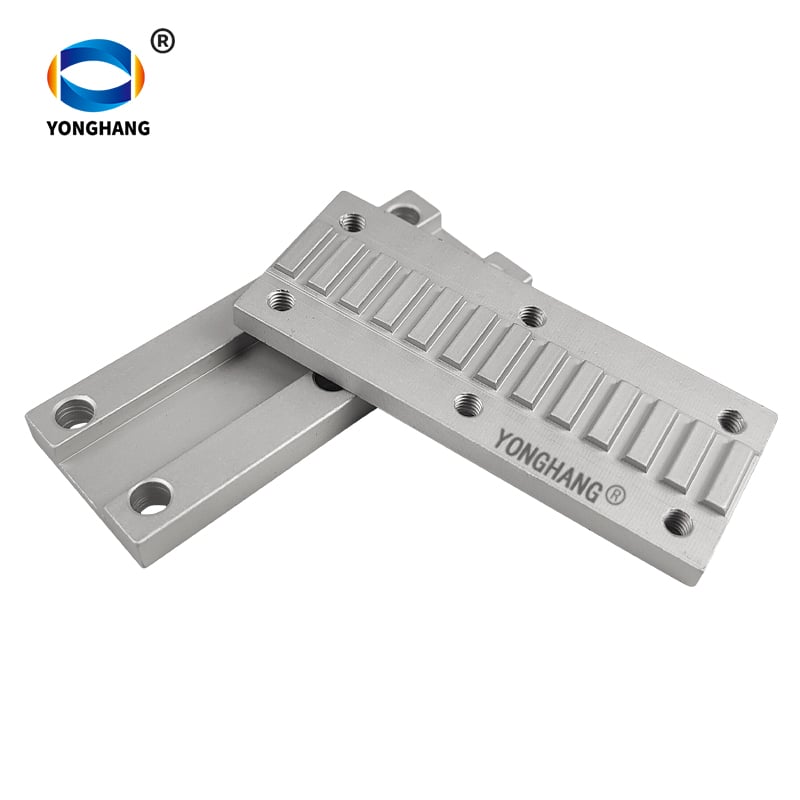
A Timing Belt Clamping Plate is an important mechanical component used to secure, position, or fasten a timing belt in various industrial transmission and motion control systems. It helps maintain the required belt position and provides a reliable connection between the belt and the machine structure in applications where controlled belt movement and accurate positioning are essential.
Unlike a standard timing belt pulley, which transmits motion through its toothed engagement with the belt, a timing belt clamping plate is designed to hold or secure the belt at a specified location. Depending on the equipment design, it can be used in linear motion systems, automated machinery, positioning equipment, packaging machines, and customized industrial assemblies.
Yonghang Transmission Belt provides timing belt products and related belt components for different industrial applications. For customers who need a timing belt clamping plate for new equipment or replacement purposes, the component design can be evaluated according to the belt profile, belt width, mounting arrangement, and mechanical requirements.
The dimensions, tooth profile compatibility, mounting holes, clamping structure, and material selection should be matched to the intended application. Proper specification helps ensure a secure belt connection and supports reliable operation of the overall transmission or positioning system.
Key Features of Timing Belt Clamping Plates
1. Secure Timing Belt Fixation
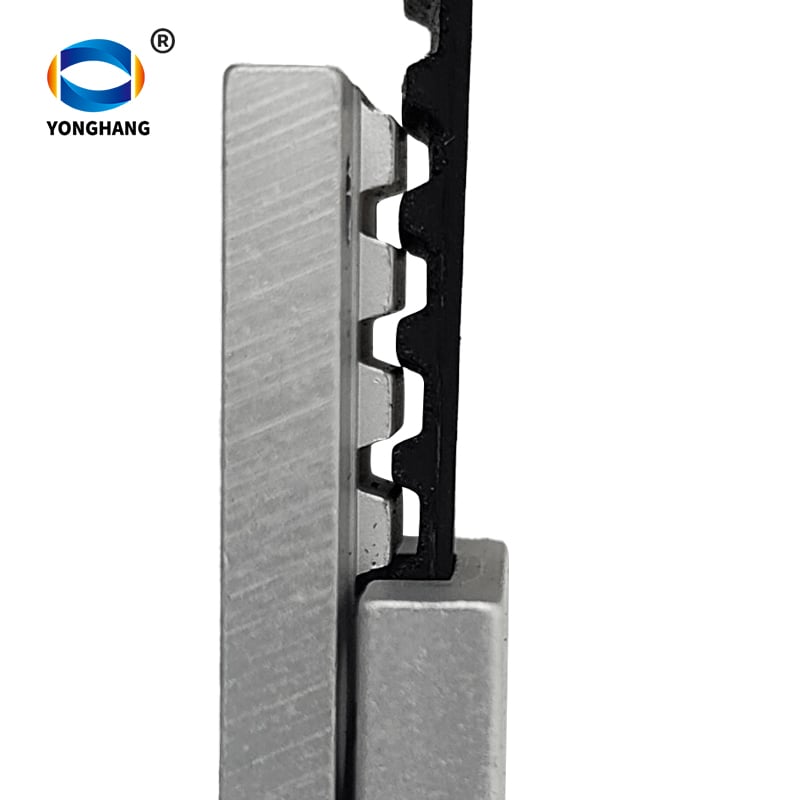
A timing belt clamping plate is designed to hold a compatible timing belt firmly at a designated point. In linear motion applications, this connection allows belt movement to be transferred to a carriage, platform, or other driven component.
The clamping method must match the belt construction and the mechanical loads involved. Correct installation helps reduce unwanted belt movement at the clamping point.
2. Designed for Precision Motion Systems
Timing belt clamping plates are commonly used in equipment that relies on belt-driven movement and positioning. When properly designed and installed, the clamping assembly helps establish a stable connection between the belt and the moving mechanism.
This is particularly important in automated equipment where repeatable movement, controlled positioning, and reliable operation are required.
3. Compatible with Different Timing Belt Profiles
Timing belts are available in various tooth profiles, pitches, widths, and constructions. A clamping plate must be selected according to the specific belt and its intended mounting arrangement.
Depending on the design, the clamping component may engage with the belt teeth or clamp the belt through another suitable mechanical arrangement. Compatibility should always be confirmed before ordering.
4. Flexible Mounting Design
Mounting requirements vary between machines. Clamping plates may be designed with different dimensions, hole positions, fastening methods, and overall shapes to fit specific equipment structures.
Providing a drawing or sample of the existing component can help identify the required mounting configuration.
5. Support for Reliable Belt Operation
A correctly specified clamping plate helps maintain the intended belt-to-machine connection. Appropriate clamping force and installation are important for minimizing slippage, excessive local stress, and damage to the belt.
The component should be used within the load limits and installation recommendations of the complete mechanical system.
6. Customization for OEM Applications
For equipment manufacturers and industrial maintenance teams, a standard clamping plate may not always match the original machine design. Custom dimensions and mounting arrangements can be evaluated according to technical drawings, belt specifications, and application requirements.
Product Specifications
The following parameters should be confirmed according to the required design.
| Single TBCR | Set TBCK | |||
| Tooth type | Belt width | Tooth type | Belt width | |
| MXL | 6 | MXL | 6 | |
| MXL | 10 | MXL | 10 | |
| XL | 10 | XL | 10 | |
| XL | 15 | XL | 15 | |
| XL | 20 | XL | 20 | |
| 2GT | 6 | 2GT | 6 | |
| 2GT | 10 | 2GT | 10 | |
| 2M/S2M | 6 | 2M/S2M | 6 | |
| 2M/S2M | 10 | 2M/S2M | 10 | |
| 3M/S3M | 10 | 3M | 10 | |
| 3M/S3M | 15 | 3M | 15 | |
| 3M/S3M | 20 | 3M | 20 | |
| 5M/S5M | 10 | 5M/S5M | 10 | |
| 5M/S5M | 15 | 5M/S5M | 15 | |
| 5M/S5M | 20 | 5M/S5M | 20 | |
| 5M/S5M | 25 | 5M/S5M | 25 | |
| 5M/S5M | 30 | 5M/S5M | 30 | |
| 5M/S5M | 40 | 5M/S5M | 40 | |
| 8M/S8M | 10 | 8M/S8M | 10 | |
| 8M/S8M | 15 | 8M/S8M | 15 | |
| 8M/S8M | 20 | 8M/S8M | 20 | |
| 8M/S8M | 25 | 8M/S8M | 25 | |
| 8M/S8M | 30 | 8M/S8M | 30 | |
| 8M/S8M | 40 | 8M/S8M | 40 | |
| 8M/S8M | 50 | 8M/S8M | 50 | |
| 14M | 30 | 14M | 30 | |
| 14M | 40 | 14M | 40 | |
| 14M | 50 | 14M | 50 | |
| T5/AT5 | 10 | T5/AT5 | 10 | |
| T5/AT5 | 15 | T5/AT5 | 15 | |
| T5/AT5 | 20 | T5/AT5 | 20 | |
| T5/AT5 | 25 | T5/AT5 | 25 | |
| T5/AT5 | 30 | T5/AT5 | 30 | |
| T10/AT10 | 15 | T10/AT10 | 15 | |
| T10/AT10 | 20 | T10/AT10 | 20 | |
| T10/AT10 | 25 | T10/AT10 | 25 | |
| T10/AT10 | 30 | T10/AT10 | 30 | |
| T10/AT10 | 40 | T10/AT10 | 40 | |
| H | 25 | H | 25 | |
| H | 30 | H | 30 | |
| H | 40 | H | 40 | |
| L | 15 | L | 15 | |
| L | 20 | L | 20 | |
| L | 25 | L | 25 | |
Note: Material, dimensions, belt compatibility, and load capacity depend on the specific clamping plate design. Please confirm these details before placing an order.
Applications of Timing Belt Clamping Plates
1. Linear Motion Systems
In belt-driven linear motion equipment, a timing belt clamping plate can secure the belt to a moving carriage or positioning platform. This connection allows the motion generated by the drive system to move the designated component.
Typical examples include automated positioning mechanisms, transfer units, and belt-driven linear axes.
2. Industrial Automation Equipment
Automated machinery often requires a reliable connection between the timing belt and the driven component. A suitable clamping plate can provide the required mounting interface in equipment designed around a belt-driven transmission system.
3. Packaging Machinery
Packaging machines may use timing belt systems to move products, position components, or synchronize mechanical operations. Depending on the equipment structure, clamping plates can help secure the belt within the motion assembly.
4. Conveyor and Transfer Systems
In selected conveyor and transfer applications, timing belt clamping plates are used to connect a timing belt to a carriage, fixture, or other driven part. The design must be suitable for the applied load and operating conditions.
5. Customized Mechanical Equipment
Special-purpose machines may require clamping components with non-standard dimensions, hole positions, or belt interfaces. Custom-designed plates can be evaluated using the original drawing, machine specifications, or a physical sample.
How to Choose the Right Timing Belt Clamping Plate
Selecting a suitable clamping plate requires attention to both the timing belt and the equipment structure.
1. Identify the timing belt profile.
Provide the belt series or tooth profile, such as HTD, GT, T, AT, or another specified profile. The exact designation should be confirmed from the existing belt or technical documentation.
2. Confirm the belt width.
The clamping plate must accommodate the actual belt width and the required clamping area. An incorrect width may result in poor fixation or uneven loading.
3. Check the mounting dimensions.
Measure the overall length, width, thickness, hole diameter, hole spacing, and other relevant dimensions. A technical drawing is recommended for components with precise mounting requirements.
4. Specify the required material.
Material selection depends on the mechanical load, working environment, weight requirements, corrosion exposure, and expected service conditions. The actual material should be confirmed for each design.
5. Evaluate the operating load.
The clamping assembly must withstand the forces generated by the belt drive and the moving equipment. Required holding force depends on belt tension, acceleration, payload, and the clamping design.
6. Provide a drawing or sample.
A drawing, photograph with dimensions, or original component sample helps clarify the belt interface and mounting arrangement. This is especially useful when sourcing a replacement part for existing machinery.
Why Choose Yonghang Transmission Belt?
Yonghang Transmission Belt supplies industrial belt solutions and related components for machinery manufacturers, distributors, and maintenance professionals.
When sourcing a timing belt clamping plate, customers can provide the required belt profile, width, dimensions, mounting details, and application information for technical evaluation.
A well-matched clamping component can help establish a reliable connection between the timing belt and the driven mechanism. Confirming the design before ordering also helps reduce compatibility issues during installation.
Whether you are developing a new automation system or replacing a component on existing equipment, Yonghang welcomes inquiries about timing belts and related customized components.
Frequently Asked Questions
1. What is a timing belt clamping plate used for?
A timing belt clamping plate is used to secure a timing belt at a designated point, often connecting the belt to a moving carriage, fixture, or mechanical assembly in belt-driven equipment.
2. Is a timing belt clamping plate the same as a timing belt pulley?
No. A timing belt pulley engages with the belt teeth to transmit rotary motion. A clamping plate secures or fixes the belt to a component or structure, depending on the mechanical design.
3. Can the clamping plate be customized?
Customization may be available according to the design requirements. Customers should provide the belt profile, width, plate dimensions, hole positions, material requirements, and a technical drawing or sample.
4. How do I know whether a clamping plate fits my timing belt?
Check the timing belt profile, pitch, width, construction, and required clamping method. The plate dimensions and mounting arrangement must also match the equipment.
5. What information is needed to request a quotation?
Please provide the required quantity, belt profile, belt width, component dimensions, mounting-hole details, material requirements, and intended application. Drawings or photographs with measurements can help clarify the specifications.
6. Can I order a replacement clamping plate for existing equipment?
Yes, replacement requirements can be evaluated using the original component, technical drawing, or equipment specifications. Confirming the dimensions and belt compatibility before ordering helps improve installation accuracy.
Request a Quote for a Timing Belt Clamping Plate
Looking for a timing belt clamping plate for industrial automation or linear motion equipment?
Yonghang Transmission Belt welcomes inquiries from equipment manufacturers, system integrators, distributors, and industrial maintenance teams.
To help evaluate your requirements, please provide:
Timing belt profile and width
Required clamping plate dimensions
Mounting-hole positions and sizes
Preferred material, if specified
Application and operating load
Required quantity
Technical drawing or existing component sample
Contact Yonghang Transmission Belt to discuss your requirements and request a quotation for a timing belt clamping plate suited to your application.


