
 EN
EN
 AR
AR
 HR
HR
 DA
DA
 NL
NL
 FR
FR
 DE
DE
 EL
EL
 HI
HI
 IT
IT
 JA
JA
 KO
KO
 NO
NO
 PL
PL
 PT
PT
 RO
RO
 RU
RU
 ES
ES
 TL
TL
 IW
IW
 ID
ID
 SR
SR
 SK
SK
 UK
UK
 VI
VI
 TH
TH
 TR
TR
 AF
AF
 MS
MS
 IS
IS
 HY
HY
 AZ
AZ
 KA
KA
 BN
BN
 LA
LA
 MR
MR
 MY
MY
 KK
KK
 UZ
UZ
 KY
KY
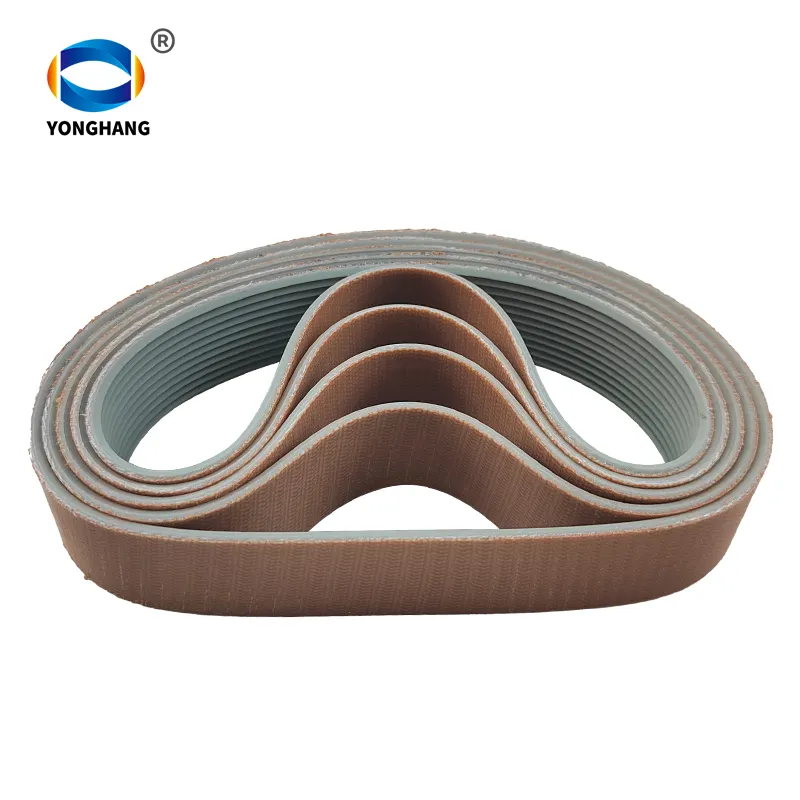
Why Coating Timing Belt Performance Depends on Application-Specific Engineering
The harsh conditions in industrial settings put serious strain on coating timing belt systems, which means engineers need to think carefully about what works best for each specific job. Take for instance a belt that runs perfectly fine in a dry packaging operation but starts falling apart quickly when moved to a chemical processing area where solvents and acid fumes are constantly present. Temperature is another major factor affecting material choices. Elastomeric coatings tend to get stiff and lose their flexibility when temps drop below minus 20 degrees Celsius, making them unsuitable for cold storage facilities. On the flip side, prolonged exposure to heat over 120 degrees Celsius causes polymers to break down much faster than expected. When it comes to load requirements, there's a big difference between regular operation and situations involving shock loads from heavy machinery. These applications demand coatings with significantly greater tear resistance compared to standard steady-state operations found in most manufacturing plants.
Consider these critical application factors:
- Chemical exposure: Petroleum-based lubricants degrade neoprene; polyurethane resists oils but fails under strong acids
- Abrasion intensity: Mineral handling demands coatings with embedded abrasion-resistant additives
- Precision requirements: Semiconductor manufacturing needs coatings maintaining ±0.1 mm dimensional stability under micro-vibrations
Not paying attention to these factors often leads to early failures down the road. According to research published by the Material Handling Institute last year, around two-thirds of all timing belt replacements actually come from coating mismatches instead of mechanical issues. Take bakery operations for example many facilities tried standard polyurethane belts inside their ovens only to find them getting rock hard after about six months, way before they should have worn out. The same setup with belts made from high temp silicone material stayed good for over 18 months under exactly those same oven conditions. And this isn't just about what materials get used either proper coating thickness needs to match up with pulley sizes to stop slippage problems, plus adding texture helps grip better when things get wet or greasy. Companies that treat timing belts like generic parts rather than custom solutions tailored to specific applications tend to face unexpected breakdowns and expensive repair bills sooner or later.
Selecting Optimal Coating Materials for Timing Belt Pulleys by Substrate
Steel Pulleys: Electroless Nickel vs. Black Oxide for Durability and Corrosion Resistance
When it comes to steel pulleys used in tough industrial settings, the choice between electroless nickel (EN) coating and black oxide makes all the difference in how long they'll last. Electroless nickel stands out for its amazing ability to resist corrosion. These coatings can hold up for well over 96 hours during salt spray testing according to ASTM B117 standards, compared to just 12 hours for plain steel without any protection. Plus, they maintain their exact dimensions which matters a lot in applications where torque is important. Black oxide isn't bad either since it does offer some level of corrosion protection and costs less upfront. However, there's a catch. The coating needs additional oil layers to work properly, and those oils tend to break down quickly when faced with abrasive materials or harsh chemicals. Real-world tests in paper mills have shown something pretty telling too. Pulleys treated with electroless nickel lasted about three times longer than their black oxide counterparts when dealing with constant exposure to steam and various chemical splashes throughout normal operations.
Aluminum Pulleys: Anodizing Type II vs. Type III and Sealing Effects on Coating Timing Belt Traction
Getting the right coating on aluminum pulleys means going through specific anodizing processes to get that surface just right. Type II anodizing gives us those porous surfaces between 12 to 25 microns thick which are great for adding color but need some PTFE sealing if we want to avoid problems with adhesive wear when these coated timing belts are put to work. Then there's Type III hard anodizing that goes much deeper at around 50 to 100 microns. What makes this version special is that it creates surfaces already sealed against moisture, and they're super tough too with hardness levels over 500 HV on the Vickers scale. These surfaces can stand up to twice as much abrasion as their Type II counterparts. The way we seal these surfaces really matters for how well they grip. Tests show that when Type III surfaces aren't properly sealed, they actually create about 15% more friction during operation in packaging lines compared to ones that have been correctly sealed.
Zinc-Plated Pulleys: Balancing Cost, Conductivity, and Limited Abrasion Resistance in Low-Torque Coating Timing Belt Setups
Zinc plating works well for protecting against corrosion when dealing with low torque applications, though there are some things to watch out for operationally. The metal actually conducts electricity pretty well, with resistance under 100 mΩ, which makes it great for places where static discharge matters, such as in electronics manufacturing. However, zinc isn't very hard at all (around 300-400 on the Meyer scale), so it tends to wear down quickly when coming into contact with rough belt materials during production. Experience has shown that if the plating layer drops below 15 microns thick, parts will last about 40% less time in environments filled with dust or particles. Conveyor systems that operate below 50 Newton meters of torque generally get the best results from chromate passivated zinc coatings. This option cuts costs nearly in half compared to nickel alternatives while still standing up to regular wear and tear over time.
Validating Coating Timing Belt Compatibility Through Real-World Application Requirements
Food & Beverage: FDA-Compliant Anodized Aluminum with PTFE-Enhanced Coating for Sanitary Timing Belt Operation
Timing belt coatings for food processing equipment need to comply with FDA hygiene requirements. The best options are non-permeable polyurethane coatings that have closed cell structures. These stop liquids from getting through and can handle the harsh conditions of automated Clean-In-Place (CIP) sterilization processes. Industry data suggests these kinds of designs cut down on bacterial contamination risks significantly, maybe around half in some cases. For areas where there's lots of pressure washing going on, stainless steel reinforced belts hold up much better against corrosion, which means they keep operating sanely even after repeated cleaning cycles. Adding PTFE to the coating mix also helps reduce friction and makes it harder for microbes to stick around when things get wet.
Semiconductor Manufacturing: Hybrid Ni-P + Micro-Arc Oxidation Coatings for Precision, Cleanroom-Safe Coating Timing Belt Systems
The semiconductor fabrication process requires extremely clean movement within ISO Class 5 cleanrooms where even tiny particles can cause major issues. When manufacturers combine hybrid nickel-phosphorus (Ni-P) coatings with micro-arc oxidation techniques, they get surfaces that look almost ceramic and stand up well against electrostatic discharge problems and unwanted outgassing. This two-part coating system manages to hit sub-micron level positioning accuracy while keeping particulate emissions below 0.1 micrometers. Real-world tests show these coatings last about 30 percent longer in argon etching situations than standard options, according to factory reports after running accelerated wear tests. Many production facilities have switched to this method simply because it reduces downtime and maintenance costs over time.
FAQ
What factors should be considered when selecting a timing belt coating?
Key factors include chemical exposure, abrasion intensity, precision requirements, temperature conditions, and load requirements.
Why do coating mismatches lead to timing belt failures?
Coating mismatches often lead to failures because they can cause premature wear, slippage, or material breakdown under specific operational conditions.
Can the choice of coating affect timing belt longevity?
Yes, selecting the right coating material and thickness based on real-world application requirements significantly impacts timing belt longevity and performance.
Table of Contents
- Why Coating Timing Belt Performance Depends on Application-Specific Engineering
-
Selecting Optimal Coating Materials for Timing Belt Pulleys by Substrate
- Steel Pulleys: Electroless Nickel vs. Black Oxide for Durability and Corrosion Resistance
- Aluminum Pulleys: Anodizing Type II vs. Type III and Sealing Effects on Coating Timing Belt Traction
- Zinc-Plated Pulleys: Balancing Cost, Conductivity, and Limited Abrasion Resistance in Low-Torque Coating Timing Belt Setups
- Validating Coating Timing Belt Compatibility Through Real-World Application Requirements
- FAQ