
 EN
EN
 AR
AR
 HR
HR
 DA
DA
 NL
NL
 FR
FR
 DE
DE
 EL
EL
 HI
HI
 IT
IT
 JA
JA
 KO
KO
 NO
NO
 PL
PL
 PT
PT
 RO
RO
 RU
RU
 ES
ES
 TL
TL
 IW
IW
 ID
ID
 SR
SR
 SK
SK
 UK
UK
 VI
VI
 TH
TH
 TR
TR
 AF
AF
 MS
MS
 IS
IS
 HY
HY
 AZ
AZ
 KA
KA
 BN
BN
 LA
LA
 MR
MR
 MY
MY
 KK
KK
 UZ
UZ
 KY
KY
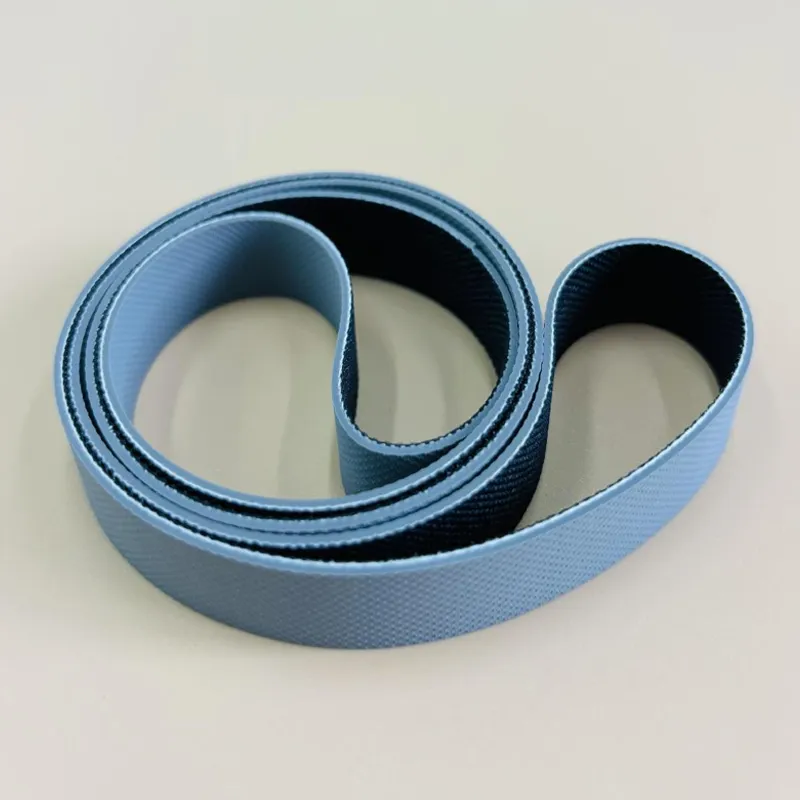
What Is an Electrical Wires PU Timing Belt? Core Design and Functional Advantages
Integrated architecture: Synchronized power transmission + embedded electrical wiring in a single polyurethane belt
Electrical wire PU timing belts have conductive paths built right into their polyurethane material. This means they can transfer both mechanical power and electrical signals at the same time. Traditional setups need separate cables and belts for these functions, but the new design cuts down on mechanical parts by around 40 percent and gets rid of those annoying cable tangles that happen so often. The base material is reinforced with steel to keep it stable even when dealing with heavy torque loads. Copper conductors or shielded wiring are placed exactly where needed to manage power levels up to 48 volts at 5 amps plus handle fast moving data signals too. What makes this approach really stand out?
- Space optimization: 60% reduction in installation footprint versus hybrid systems
- Synchronization accuracy: Sub-millisecond signal/power alignment for real-time control
- Dynamic resilience: Vibration resistance exceeding ISO 10816-3 standards
Key differentiators vs. conventional PU belts and hybrid cable-belt systems
Electrical wires PU timing belts fundamentally outperform conventional solutions through engineered material synergies. Where standard PU belts solely transmit mechanical force and cable-belt combos suffer from differential wear, the integrated design provides:
| Feature | Conventional PU Belts | Cable-Belt Hybrids | Electrical Wires PU Belt |
|---|---|---|---|
| Signal integrity | N/A | EMI interference | Shielded ±2% variance |
| Maintenance cycles | 8,000 hours | 5,000 hours | 15,000+ hours |
| Failure points | 3+ (tensioners, joints) | 8+ | Single-component |
The polyurethane compound’s inherent flame resistance (UL 94 V-0 rated) and chemical inertness prevent degradation in FDA-compliant environments, while embedded conductors maintain impedance stability within ±5% even at flex radii under 25mm—eliminating the 23% productivity loss typical of desynchronized power/signal systems in high-speed automation.
Why Choose an Electrical Wires PU Timing Belt? Performance Benefits Across Critical Metrics
Zero-backlash motion control with sub-micron repeatability for automation and robotics
PU timing belts used in electrical wiring setups basically get rid of that annoying mechanical play between the teeth and pulleys, which means they can hit positional accuracy down to about 0.5 microns. That kind of precision matters a lot when we're talking about robotic assembly cells where tolerances need to stay within plus or minus 5 microns. The tight control stops those little positioning errors from stacking up across multiple axes, so factories can run those fast pick and place operations at around 200 cycles per minute without having to constantly recalibrate everything. What makes these belts stand out compared to old school chain drives or gears is their polyurethane build. It actually soaks up vibrations but still keeps things moving in sync, which cuts down on how much power the servo motors need to run continuously. Some tests show this can save as much as 18% on energy costs over time.
Enhanced durability: Flame resistance, chemical inertness, and abrasion resilience in FDA- and ISO-compliant environments
These belts are certified under UL 94 V-0 flame standards and can handle pretty harsh chemicals too. They resist damage even when exposed to solutions ranging from pH 1 all the way up to pH 14, which makes them great choices for those sensitive environments like pharmaceutical cleanrooms or food production areas where contamination is a big concern. When it comes to wear and tear, these belts outperform the ISO 4649 standard by quite a margin. After going through around 15 million bending cycles, they still hold onto their tensile strength remarkably well. What really stands out though is the surface material. Made from non-porous polyurethane, it stops microbes from growing on the belt surface and keeps particles from flaking off during operation. This design meets both FDA 21 CFR regulations and the strict cleanliness demands of ISO Class 5 cleanrooms.
| Property | Standard Industrial Belt | Electrical Wires PU Belt | Improvement |
|---|---|---|---|
| Chemical Resistance | Limited to pH 4–10 | Full pH 1–14 range | 250% wider |
| Abrasion Loss | 120 mm³ (ISO 4649) | 40 mm³ | 67% less |
| Particulate Shedding | 500 particles/m³ | 0 particles/m³ | 100% reduction |
Silent, lubrication-free operation and extended service life (>15,000 hours typical)
Integrated designs run below 55 decibels, which is actually quieter than most standard gear drives on the market today. These systems don't need any lubrication at all, and this alone cuts down maintenance expenses by around 30 percent over time. The fact that they operate dry means there's no risk of oil getting into places where it shouldn't be, something that matters a lot in industries such as medical device production where contamination could spell disaster. Most of these belt systems last well beyond 15,000 operating hours before needing replacement. Testing shows they beat traditional hybrid options by nearly three times when put through accelerated wear tests, even when carrying loads close to their full capacity. Another big plus? No metal parts means manufacturers don't have to worry about electrolytic corrosion issues showing up in damp workshop conditions either.
Where Are Electrical Wires PU Timing Belts Used? Key Industrial Applications and Integration Scenarios
High-speed packaging lines: Real-time sensor feedback and actuator control via built-in conductors
PU timing belts with electrical wires are changing how packaging lines operate by combining movement mechanics with built-in signal paths. These belts work wonders in fast-paced bottling lines that handle over 300 units per minute. They have copper conductors inside that create feedback loops between sensors and servos throughout the production process. No more dealing with those pesky external wire harnesses that get tangled up in tight spaces. Position remains spot on too, staying within about 0.1 millimeter tolerance. Made from durable polyurethane, these belts take all the knocks from daily product handling without breaking down. Maintenance folks report needing repairs roughly 40% less often than with older cable-belt combinations. And there's something else pretty cool about them real time torque checks built right into the belt circuitry help stop those annoying jams at sealing points. Food processors using this tech typically see around 23 fewer hours lost to machine downtime each month.
Medical device assembly and cleanroom automation: EMI-shielded signal integrity and non-shedding compliance
PU timing belts designed for medical applications satisfy ISO Class 5 cleanroom requirements thanks to materials that don't shed particles and formulas approved by the FDA. These belts feature special conductor shielding similar to Faraday cages which stops electromagnetic interference from nearby motors. This protection is critical because it keeps those tiny microvolt signals intact from piezoelectric sensors mounted on surgical robot arms. When making catheter tips, even minor signal distortions can lead to serious quality issues or complete failures. The belts are made as single pieces so they won't release fibers that could contaminate operating areas. Special polymers resist breaking down when exposed to repeated sterilization cycles, typically lasting well over 200 autoclaves. Real world data shows hospitals achieve nearly flawless operation rates at 99.98% for their diagnostic machines when these systems are in place. According to a study by Ponemon Institute from last year, this reliability saves facilities around seven hundred forty thousand dollars annually by preventing costly contamination related product recalls.
How to Specify and Implement an Electrical Wires PU Timing Belt Successfully
When choosing a PU timing belt for electrical wire applications, there are three main factors to consider: how well it stands up to environmental stress, its dimensional stability, and what kind of signal quality is needed. Start by looking at where it will be used. Think about things like extreme temperatures, chemicals it might come into contact with, and any risk from electromagnetic interference. Materials should meet certain standards for fire safety (like UL 94 V-0 rating) and be resistant to chemical reactions. Then check if the teeth on the belt match properly with the system components. Most belts have tolerances around plus or minus half a millimeter, which helps avoid slipping when torque gets high. For systems with built-in wiring, make sure the wire size matches the electrical demands. A good rule of thumb is 22 AWG wire works for signals below 3 amps. Also important is ensuring proper protection from electromagnetic interference through adequate shielding.
When installing, it's important to keep the right amount of tension by using laser alignment equipment along with special tension measuring devices. If there's too little tension, signals might drop out completely. On the flip side, pulling it too tight just speeds up wear and tear on components. After everything goes live, regular checks every two weeks are necessary looking for any cracks wider than about 1.5 millimeters, strange deformations in teeth shapes, or signs where insulation has worn away. Keeping up with maintenance work this way helps most systems last well beyond 15 thousand hours of operation while maintaining extremely precise movement down to fractions of a micron. Manufacturers usually have specific guidelines worth checking though, since different applications need slightly different approaches to make sure everything works smoothly alongside whatever control systems are already in place at the facility.
FAQ
What are the advantages of using an electrical wires PU timing belt?
These belts offer reduced installation footprint, synchronized power transmission, vibration resistance, enhanced signal integrity, and a significantly longer maintenance cycle compared to conventional systems.
Where are electrical wires PU timing belts primarily used?
They are widely used in high-speed packaging lines, medical device assembly, cleanrooms, and any industry requiring real-time control and seamless operation without interference.
How does the performance of an electrical wires PU timing belt compare with traditional systems?
Electrical wires PU timing belts outperform traditional systems with better signal integrity, longer lifespan, fewer failure points, and maintenance cycles exceeding 15,000 hours.
Table of Contents
- What Is an Electrical Wires PU Timing Belt? Core Design and Functional Advantages
- Why Choose an Electrical Wires PU Timing Belt? Performance Benefits Across Critical Metrics
- Where Are Electrical Wires PU Timing Belts Used? Key Industrial Applications and Integration Scenarios
- How to Specify and Implement an Electrical Wires PU Timing Belt Successfully
- FAQ