
 EN
EN
 AR
AR
 HR
HR
 DA
DA
 NL
NL
 FR
FR
 DE
DE
 EL
EL
 HI
HI
 IT
IT
 JA
JA
 KO
KO
 NO
NO
 PL
PL
 PT
PT
 RO
RO
 RU
RU
 ES
ES
 TL
TL
 IW
IW
 ID
ID
 SR
SR
 SK
SK
 UK
UK
 VI
VI
 TH
TH
 TR
TR
 AF
AF
 MS
MS
 IS
IS
 HY
HY
 AZ
AZ
 KA
KA
 BN
BN
 LA
LA
 MR
MR
 MY
MY
 KK
KK
 UZ
UZ
 KY
KY
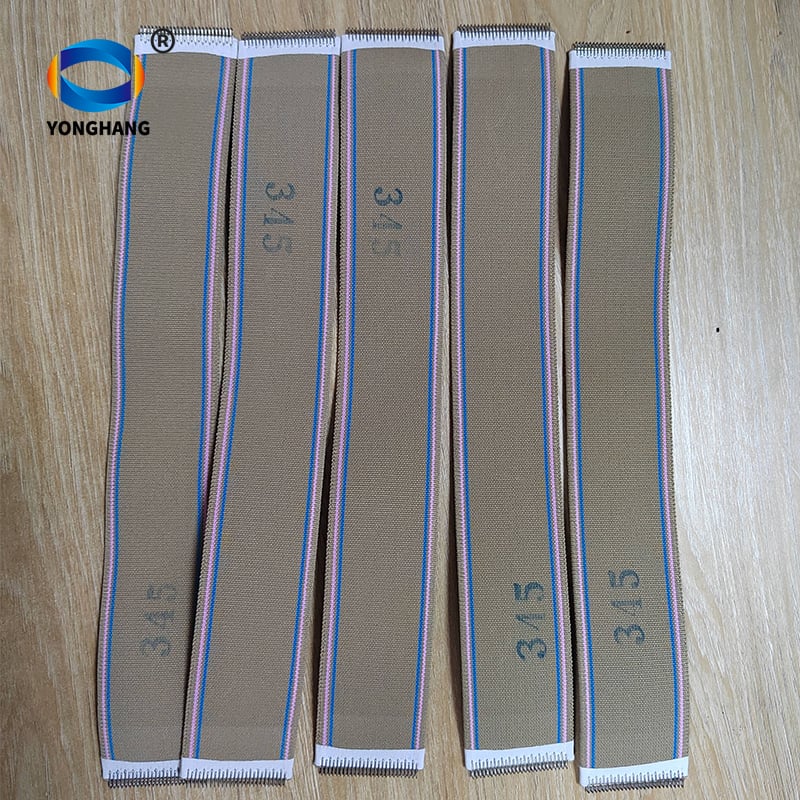
In a modern commercial laundry, the flatwork ironer is responsible for one of the most important finishing processes: turning washed and dried linen into smooth, clean, professional-looking fabric.
Behind the stable operation of every flatwork ironer is a relatively small but extremely important component—the flatwork ironer belt.
A suitable ironer belt must continuously transport sheets, towels, table linen, uniforms, and other textile products through a heated ironing system while maintaining stable tension, good fabric contact, dimensional stability, and reliable running performance.
For this reason, choosing a flatwork ironer belt is not simply a matter of selecting the correct width and length. The belt material, thickness, heat resistance, elasticity, surface characteristics, installation method, and machine operating conditions should all be considered.
Yonghang Transmission Belt provides several types of flatwork ironer belts and laundry machine belts, including Nomex aramid belts, polyester ironer belts, elastic belts, and heat-stabilized polyester guide tapes. These products are developed for different positions and working conditions in commercial and industrial laundry equipment.
What Is a Flatwork Ironer Belt?
A flatwork ironer belt is a specialized industrial belt used inside a flatwork ironing machine to guide and transport textiles through the ironing process.
Unlike ordinary conveyor belts, an ironer belt operates in an environment where heat, continuous movement, pressure, moisture, and mechanical tension can occur simultaneously.
Depending on the machine design, the belt may be used to:
-
Transport laundry through the heated ironing section
-
Guide sheets and other flat textiles
-
Maintain stable fabric movement
-
Help control the position of textiles during ironing
-
Transfer textiles between different machine sections
-
Support continuous high-volume laundry production
Flatwork ironer belts are therefore an important part of the overall ironing system. A belt that is not properly matched to the machine can cause tracking problems, premature wear, fabric marking, belt deformation, or unnecessary production downtime.
Why Is the Ironer Belt So Important?
The ironing process requires more than heat alone.
For a textile to pass smoothly through an industrial ironer, the fabric must move at a controlled and consistent speed while remaining properly positioned against the ironing surface.
The belt plays a direct role in this process.
A high-quality flatwork ironer belt can help provide:
Stable fabric transportation
The belt helps move textiles continuously through the machine without unnecessary slipping or lateral movement.
Consistent running performance
Dimensional stability is important because excessive stretching or shrinkage can affect belt tracking and machine operation.
Heat resistance
The belt must be selected according to the temperature and heating method of the ironer.
Longer service life
Suitable materials and construction can reduce premature belt degradation in demanding laundry environments.
Reduced maintenance interruptions
A properly selected belt can contribute to more stable operation and reduce the frequency of belt replacement.
Main Types of Flatwork Ironer Belts
Different parts of a laundry machine may require different belt constructions. There is no single belt material that is ideal for every flatwork ironer.
1. Nomex Aramid Flatwork Ironer Belts
Nomex and other aramid-based materials are widely used where higher heat resistance is required.
Yonghang offers 1.1mm Nomex flatwork ironer belts and 2.5mm Nomex aramid flatwork ironer belts for demanding laundry ironing applications. These belts are designed for applications where heat stability and mechanical durability are important.
Aramid fiber is particularly suitable for applications where the belt is exposed to elevated temperatures for extended periods.
Typical advantages include:
-
High-temperature resistance
-
Good dimensional stability
-
Good mechanical strength
-
Suitable for continuous industrial operation
-
Reduced deformation under demanding conditions
The appropriate thickness should be selected according to the machine structure, belt position, operating temperature, and original belt specification.
2. Polyester Flatwork Ironer Belts
Polyester is another commonly used material for laundry machine belts.
Yonghang's product range includes Polyester Laundry Ironer Belts, designed for textile transportation applications in commercial and industrial laundry equipment.
Polyester belts can offer a practical balance between flexibility, durability, dimensional stability, and cost.
They can be considered for applications where the operating conditions do not require the higher temperature performance of a full aramid construction.
3. Elastic Belts for Flatwork Ironers
Elastic belts are used in certain laundry machine applications where controlled stretch and flexibility are beneficial.
Yonghang offers a 50mm wide × 3mm thick elastic belt for flatwork ironers.
The elastic construction allows the belt to accommodate specific machine movement and tension requirements.
However, elastic belts should not be selected based only on appearance. The required elasticity, belt width, thickness, working environment, and installation position should all be confirmed before ordering.
4. Polyester Guide Tape
Not every belt inside a laundry ironing system is a main transport belt.
Some applications require a narrow guide or tracking component.
Yonghang offers 0.5mm heat-stabilized polyester ironer guide tape in widths including 12mm, 15mm, and 18mm.
This type of guide tape is useful when a narrow guiding element is required rather than a conventional wide ironing belt.
How to Choose the Right Flatwork Ironer Belt
Selecting the correct belt begins with understanding the machine rather than simply searching for the cheapest replacement.
Here are six important factors to check.
1. Machine Type
First identify the exact type of equipment.
For example:
-
Flatwork ironer
-
Industrial laundry ironer
-
Sheet ironer
-
Commercial laundry finishing machine
-
Ironer and folding line
-
Textile finishing equipment
Different machines may use different belt structures.
2. Belt Position
Determine where the belt is installed.
A belt operating directly in or near a heated section may require substantially different material characteristics from a belt used in a cooler conveying section.
This is one reason why the terms ironer belt, guide tape, and laundry conveyor belt should not automatically be treated as interchangeable.
3. Operating Temperature
Temperature is one of the most important factors in belt selection.
The actual operating temperature, heating method, exposure time, and distance from the heat source should be considered.
For high-temperature environments, aramid/Nomex constructions may be appropriate. For less demanding areas, polyester constructions may provide a more economical solution.
4. Belt Width and Thickness
Width and thickness directly affect the belt's compatibility with the machine.
For example, Yonghang's current flatwork ironer belt range includes:
-
50mm × 3mm elastic belt
-
1.1mm Nomex ironer belt
-
2.5mm Nomex aramid ironer belt
-
0.5mm polyester guide tape in 12mm, 15mm, and 18mm widths
-
Polyester laundry ironer belt
These specifications demonstrate why replacement belts should be selected according to the machine's original specification rather than using a generic size.
5. Belt Length and Installation Method
The required belt length depends on the machine design and installation position.
Before ordering, it is useful to confirm:
-
Original belt length
-
Belt width
-
Belt thickness
-
Joint type
-
Number of belts required
-
Installation position
For industrial laundry equipment, accurate dimensions can significantly reduce installation problems and downtime.
6. Textile Application
The type of textile being processed can also influence belt selection.
Commercial laundry facilities may process:
-
Bed sheets
-
Hotel linen
-
Tablecloths
-
Hospital linen
-
Uniforms
-
Towels
-
Other flat textiles
A belt designed for stable movement of lightweight sheets may have different requirements from one used in a heavy-duty industrial laundry environment.
Flatwork Ironer Belt vs. Ordinary Conveyor Belt
A common mistake is assuming that an ordinary conveyor belt can replace an ironer belt.
The two products may look similar, but their operating environments can be very different.
A conventional conveyor belt may be designed primarily for material transportation at normal temperatures.
A flatwork ironer belt, however, may need to handle:
-
Continuous heat exposure
-
Mechanical tension
-
Repeated bending
-
Moisture
-
High-speed movement
-
Textile contact
-
Long operating cycles
Therefore, heat resistance and dimensional stability are key considerations when selecting an ironer belt.
For high-temperature laundry applications, specialized materials such as aramid or Nomex can provide characteristics that ordinary conveyor belt materials may not offer.
What Causes Flatwork Ironer Belt Failure?
Understanding common failure causes can help laundry operators extend belt service life.
Excessive Heat
Using a belt outside its suitable temperature range can accelerate material degradation.
Incorrect Tension
Too much tension can place unnecessary stress on the belt and machine components. Too little tension can lead to slipping, tracking problems, or unstable transportation.
Incorrect Belt Size
A belt that is too wide, too narrow, too thick, or too thin may not run correctly in the original machine structure.
Misalignment
Improper roller alignment or tracking conditions can cause uneven belt wear.
Incompatible Material
A polyester belt, elastic belt, and aramid belt do not have identical performance characteristics. The material must match the application.
Poor Installation
Even a high-quality belt can experience premature failure if it is incorrectly installed, joined, tensioned, or aligned.
How to Extend the Service Life of an Ironer Belt
Replacing a belt is only one part of maintenance. Correct operating practices can also make a significant difference.
Keep the Belt Properly Tensioned
Follow the equipment manufacturer's recommended tension procedure. Avoid excessive tension simply to compensate for tracking problems.
Check Belt Tracking Regularly
If the belt repeatedly moves toward one side, investigate the cause instead of continuously adjusting the belt.
Possible causes include roller alignment, tension imbalance, worn components, or incorrect installation.
Monitor Operating Temperature
Make sure the belt material is appropriate for the actual temperature of the machine.
Inspect for Surface Damage
Regularly check for:
-
Cracks
-
Fraying
-
Surface wear
-
Edge damage
-
Stretching
-
Discoloration
-
Localized deformation
Early detection can prevent an unexpected production stoppage.
Replace Belts Before Complete Failure
For a commercial laundry, waiting until an ironer belt breaks completely can result in unnecessary downtime.
Planned replacement based on wear condition and operating hours can be more efficient than emergency replacement.
Why Choose a Customized Flatwork Ironer Belt?
Industrial laundry machines are not always configured identically.
Even when two machines appear similar, their belt width, length, thickness, connection method, and operating conditions may differ.
A customized belt can therefore provide a better fit for the actual application.
When requesting a customized flatwork ironer belt, customers should provide as much of the following information as possible:
Machine brand:
The manufacturer and model of the ironer.
Belt width:
The required finished width.
Belt thickness:
The original belt thickness or required thickness.
Belt length:
The installed or measured belt length.
Material:
Polyester, Nomex/aramid, elastic, or another specified construction.
Working temperature:
The approximate operating temperature.
Quantity:
The number of belts required.
Joint or connection:
The required connection method, if applicable.
With these details, a belt manufacturer can recommend a more suitable construction.
Flatwork Ironer Belts for Commercial and Industrial Laundry
The requirements of a small commercial laundry may be different from those of a large industrial laundry plant.
Hotel laundries often prioritize consistent sheet and linen finishing.
Hospital laundries may require reliable continuous operation for large quantities of linen.
Industrial laundry facilities may place greater emphasis on service life, production efficiency, and reduced maintenance downtime.
In each situation, the belt should be selected based on the actual machine and operating environment.
Yonghang's flatwork ironer belt range is designed to cover several of these requirements, including Nomex aramid belts, polyester ironer belts, elastic ironer belts, and polyester guide tapes.
Frequently Asked Questions About Flatwork Ironer Belts
What is a flatwork ironer belt?
A flatwork ironer belt is a specialized belt used to transport and guide flat textiles through an industrial or commercial ironing machine.
What material is best for a flatwork ironer belt?
There is no universal best material. Polyester can be suitable for many applications, while Nomex or aramid constructions are generally considered when higher heat resistance is required. The correct choice depends on the machine and operating conditions.
Are Nomex belts suitable for high-temperature ironing machines?
Nomex and other aramid-based constructions are commonly selected for demanding high-temperature applications because of their heat-resistant properties. The actual belt specification should always be matched to the machine's operating conditions.
How do I know which ironer belt I need?
Check the machine model, belt position, original belt width, thickness, length, material, operating temperature, and connection method. If the original belt is available, providing photographs and measurements can also help identify a replacement.
Can a flatwork ironer belt be customized?
Yes. Industrial laundry belts can be manufactured or supplied according to application-specific dimensions and material requirements. Yonghang provides customized belt solutions for different laundry equipment applications.
What is the difference between an ironer belt and an ironer guide tape?
An ironer belt is generally used as a wider conveying component, while guide tape is a narrower component used for guiding or tracking functions. Yonghang offers both wider ironer belts and narrow polyester guide tape solutions.
How to Order a Flatwork Ironer Belt from Yonghang
Choosing the right laundry belt does not have to be complicated.
Before contacting a supplier, prepare the following information:
-
Machine brand and model
-
Belt application or installation position
-
Belt width
-
Belt thickness
-
Belt length
-
Required material
-
Approximate working temperature
-
Quantity
-
Photos of the original belt or machine, if available
This information allows the supplier to evaluate the application and recommend a suitable belt construction.
Yonghang Transmission Belt supplies customized flatwork ironer belts for commercial laundry, industrial laundry, hotel laundry, hospital laundry, and textile finishing applications.
Conclusion
A flatwork ironer belt may be a relatively small component of a large laundry system, but its performance can directly influence textile transportation, ironing stability, machine efficiency, and maintenance requirements.
The right belt should be selected according to the machine design, operating temperature, belt dimensions, material, installation position, and production requirements.
For applications requiring different performance levels, Yonghang provides several options, including Nomex aramid flatwork ironer belts, polyester laundry ironer belts, 50mm × 3mm elastic ironer belts, and heat-stabilized polyester guide tapes.
If you are looking for a custom flatwork ironer belt, send Yonghang your machine model, belt dimensions, application, and operating conditions. The technical team can evaluate the requirements and help you select a suitable belt solution for your laundry equipment.
Table of Contents
- What Is a Flatwork Ironer Belt?
- Why Is the Ironer Belt So Important?
- Main Types of Flatwork Ironer Belts
- How to Choose the Right Flatwork Ironer Belt
- Flatwork Ironer Belt vs. Ordinary Conveyor Belt
- What Causes Flatwork Ironer Belt Failure?
- How to Extend the Service Life of an Ironer Belt
- Why Choose a Customized Flatwork Ironer Belt?
- Flatwork Ironer Belts for Commercial and Industrial Laundry
- Frequently Asked Questions About Flatwork Ironer Belts
- How to Order a Flatwork Ironer Belt from Yonghang
- Conclusion