 EN
EN
 AR
AR
 HR
HR
 DA
DA
 NL
NL
 FR
FR
 DE
DE
 EL
EL
 HI
HI
 IT
IT
 JA
JA
 KO
KO
 NO
NO
 PL
PL
 PT
PT
 RO
RO
 RU
RU
 ES
ES
 TL
TL
 IW
IW
 ID
ID
 SR
SR
 SK
SK
 UK
UK
 VI
VI
 TH
TH
 TR
TR
 AF
AF
 MS
MS
 IS
IS
 HY
HY
 AZ
AZ
 KA
KA
 BN
BN
 LA
LA
 MR
MR
 MY
MY
 KK
KK
 UZ
UZ
 KY
KY
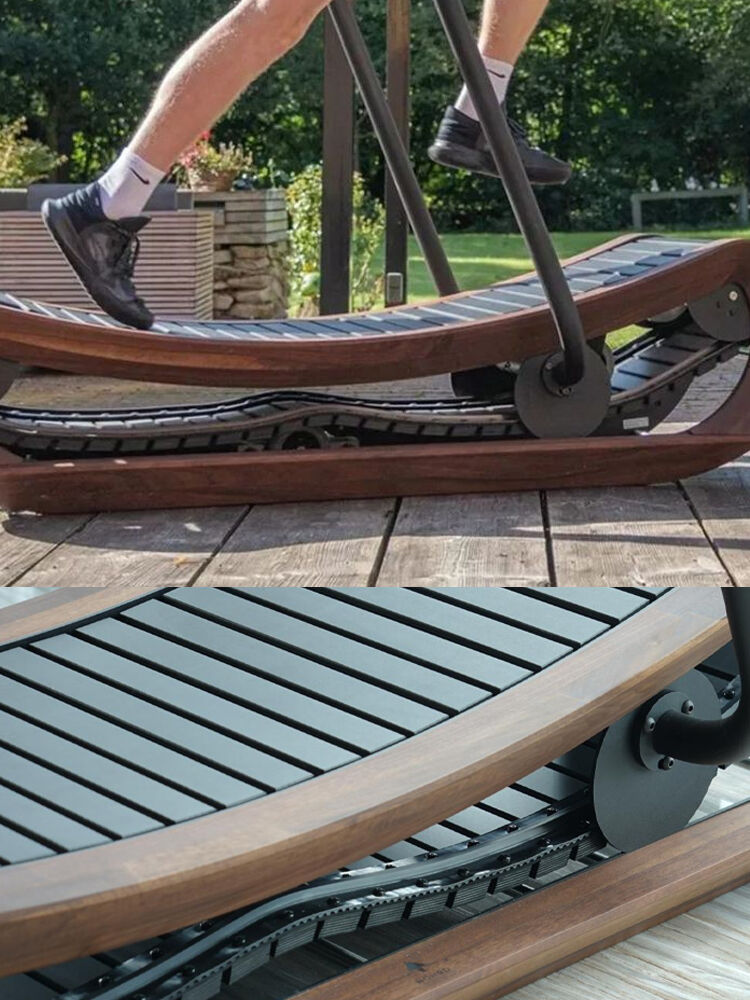
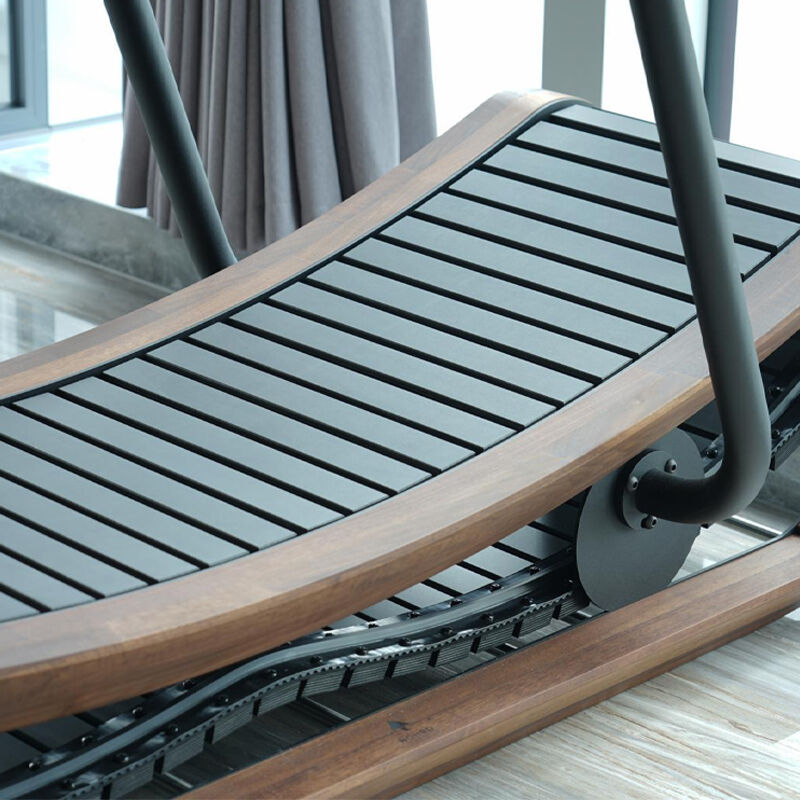
The fitness club is a well-established local fitness facility with a wide variety of exercise equipment, serving a large number of fitness enthusiasts. As the fitness industry has grown, members have come to expect a higher standard of treadmill performance. The club’s original treadmill belts developed a series of issues due to frequent use, which dampened members’ enthusiasm for working out. The treadmills are used extremely frequently, with an average of over a hundred people using them daily. The previously installed belts were made of standard materials. After prolonged, high-intensity use, they suffered severe wear and tear, frequently slipping and causing a poor running experience for members—and even posing a risk of falls. Additionally, the belts generated significant noise during operation, disrupting the overall atmosphere of the gym. Furthermore, since the material was not resistant to oil or hydrolysis, it was easily damaged by cleaning agents and sweat during routine cleaning and maintenance, significantly shortening its lifespan. As a result, the club had to replace the belts frequently, increasing operational costs.
After learning about a non-powered treadmill belt made from a composite of TPU and Kevlar, which offers numerous advantages such as oil resistance, abrasion resistance, and hydrolysis resistance, a fitness club decided to try replacing them. They selected the standard P3-3600-50 belt and installed it on several of their main treadmills.
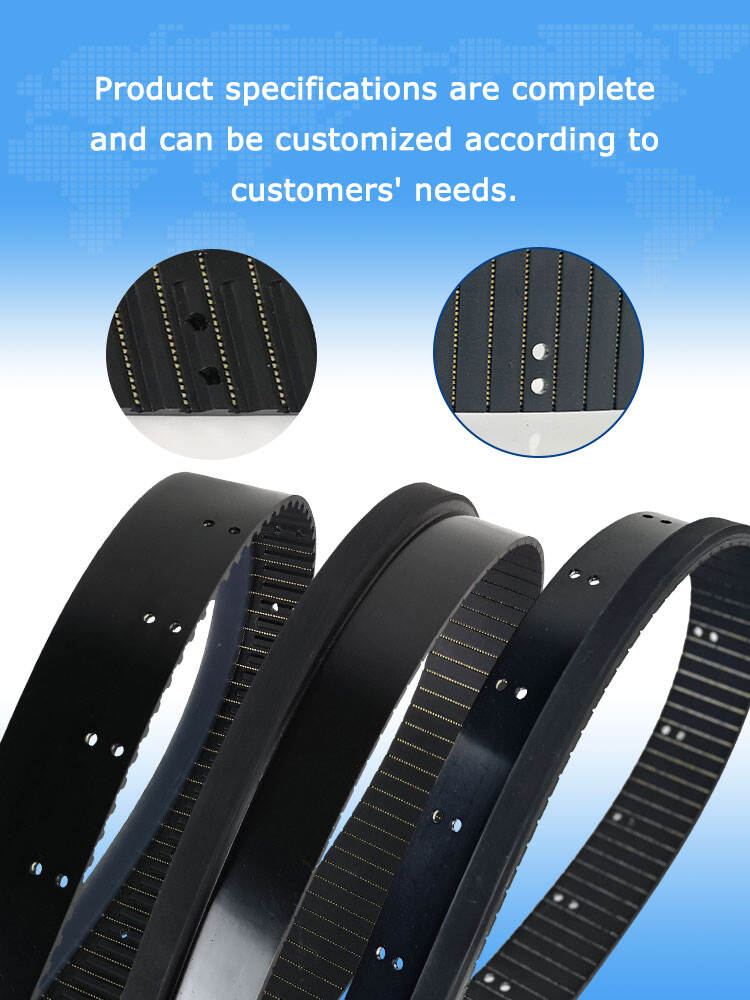
After replacing the treadmills’ belts, members reported a significant improvement in their running experience. The belt runs smoothly without slipping, allowing them to focus more on their workouts, and the reduced noise level has created a more comfortable fitness environment. Members’ evaluations of the treadmills have improved markedly, and their satisfaction with the club has increased accordingly. The durability of the new non-motorized treadmill belts far exceeds that of the previously used belts. Even after prolonged, high-intensity use, wear and tear is far lower than expected, and the replacement frequency has decreased significantly. Whereas belts previously needed to be replaced every quarter, they now last for over six months without replacement, greatly reducing procurement costs and the time spent by maintenance staff on replacements, thereby delivering tangible economic benefits to the club.