EN
EN
 AR
AR
 HR
HR
 DA
DA
 NL
NL
 FR
FR
 DE
DE EL
EL
 HI
HI
 IT
IT JA
JA
 KO
KO
 NO
NO PL
PL PT
PT RO
RO
 RU
RU
 ES
ES
 TL
TL
 IW
IW
 ID
ID
 SR
SR
 SK
SK
 UK
UK VI
VI
 TH
TH
 TR
TR
 AF
AF
 MS
MS
 IS
IS
 HY
HY
 AZ
AZ
 KA
KA
 BN
BN
 LA
LA
 MR
MR
 MY
MY
 KK
KK
 UZ
UZ
 KY
KY
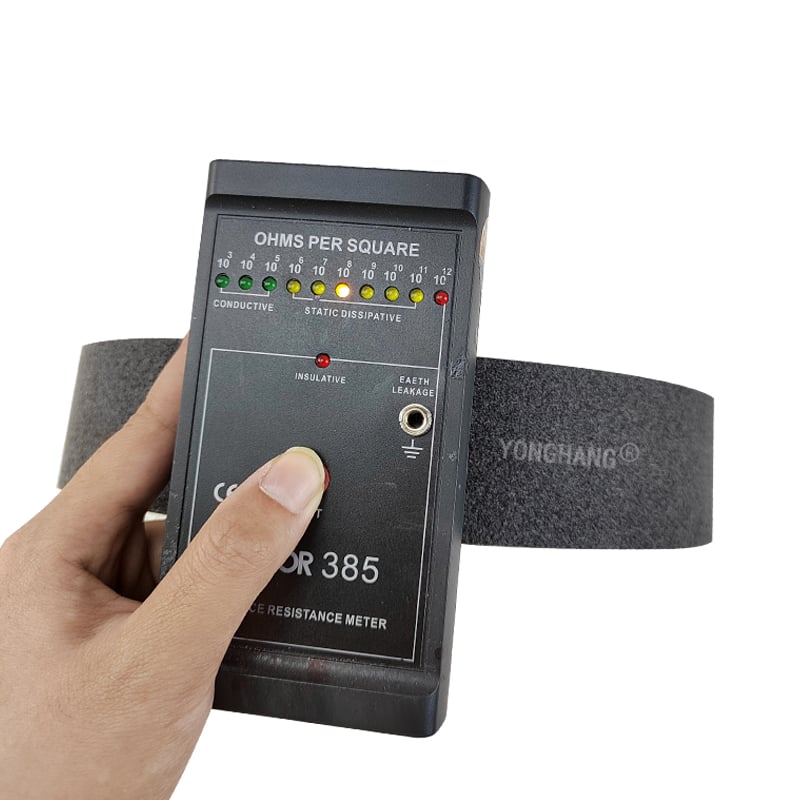
Keçirici Qürüşaq
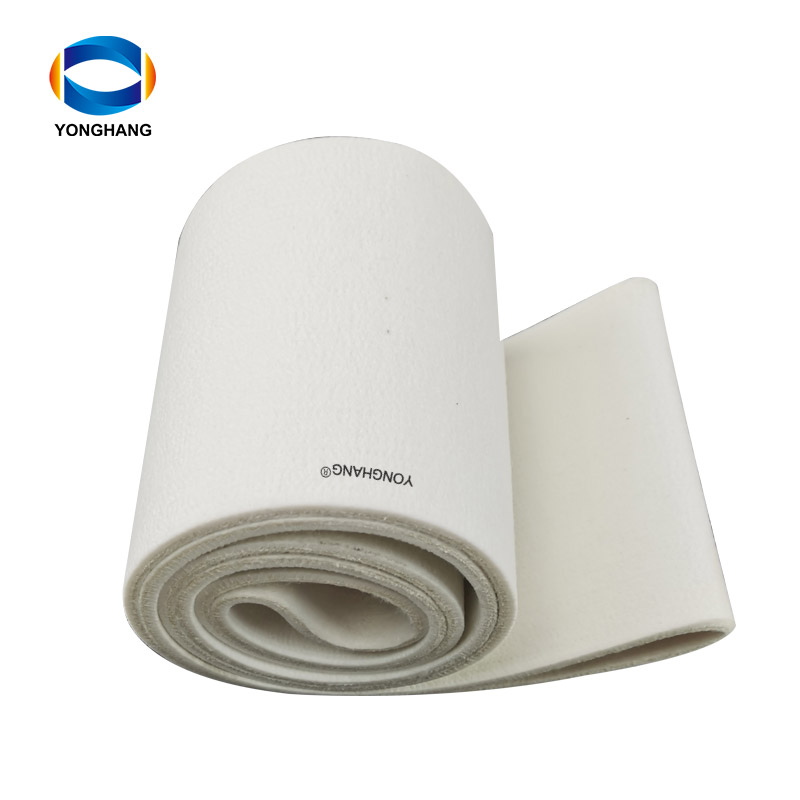
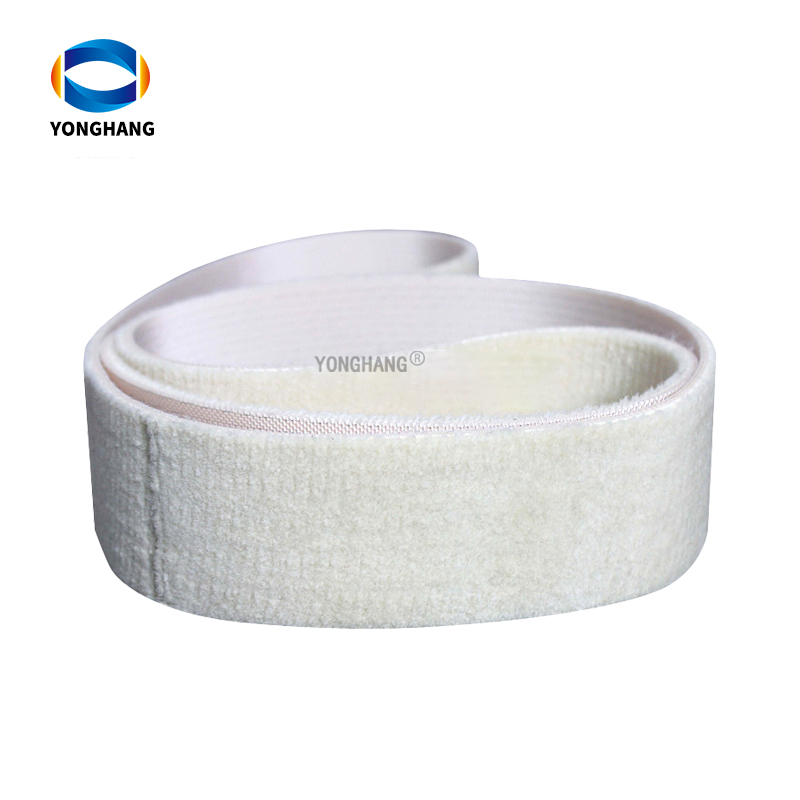
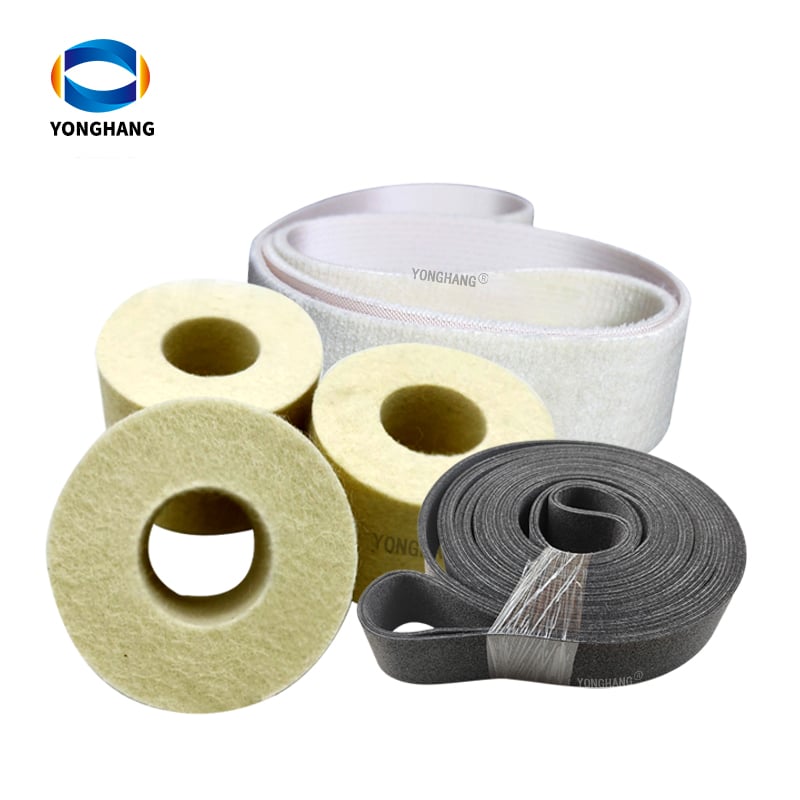
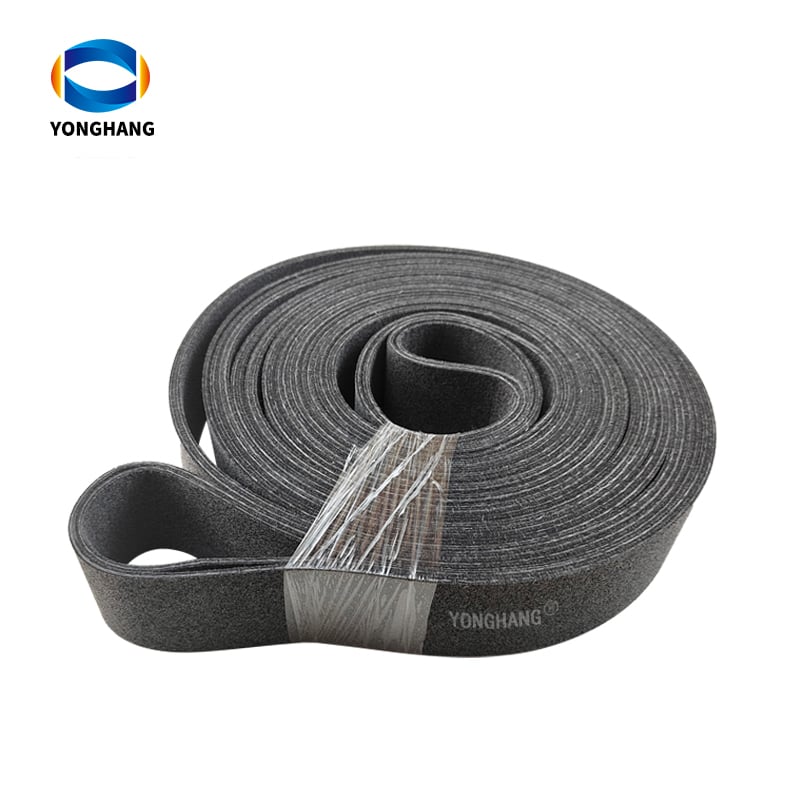
YONGHANGBELT Kəskin kənarlar və yüksək sürtünmə daimi problemlər olduğu tələbkar sənaye mühitlərində İki tərəfli felt konveyer kəməri (adətən "Kəsilməyə qarşı kəmər" olaraq tanınır) standart PVC və ya PU səthlərinə alternativ olaraq üstün seçilməyə layiqdir. Standart sintetik kəmərlərdən fərqli olaraq, bu kəmərlər kəskin metal hissələr və xammal materiallardan yaranan kəsilmələrə qarşı müqavimət göstərmək üçün xüsusi olaraq hazırlanmışdır.
- Təqdimat
Təqdimat
İrəli "Kəsilməyə Qarşı" Texnologiyası: İki tərəfli keçirici qurğular üçün yunlu lent həlləri
Kəskin kənarlar və yüksək sürtünmə daimi çətinliklər yaradan tələbkar sənaye mühitlərində İki tərəfli felt konveyer kəməri (adətən "Kəsilməyə qarşı kəmər" olaraq tanınır) standart PVC və ya PU səthlərinə alternativ olaraq üstün seçilməyə layiqdir. Standart sintetik kəmərlərdən fərqli olaraq, bu kəmərlər kəskin metal hissələr və xammal materiallardan yaranan kəsilmələrə qarşı müqavimət göstərmək üçün xüsusi olaraq hazırlanmışdır.
Dayanıqlılıq üçün hazırlanmış
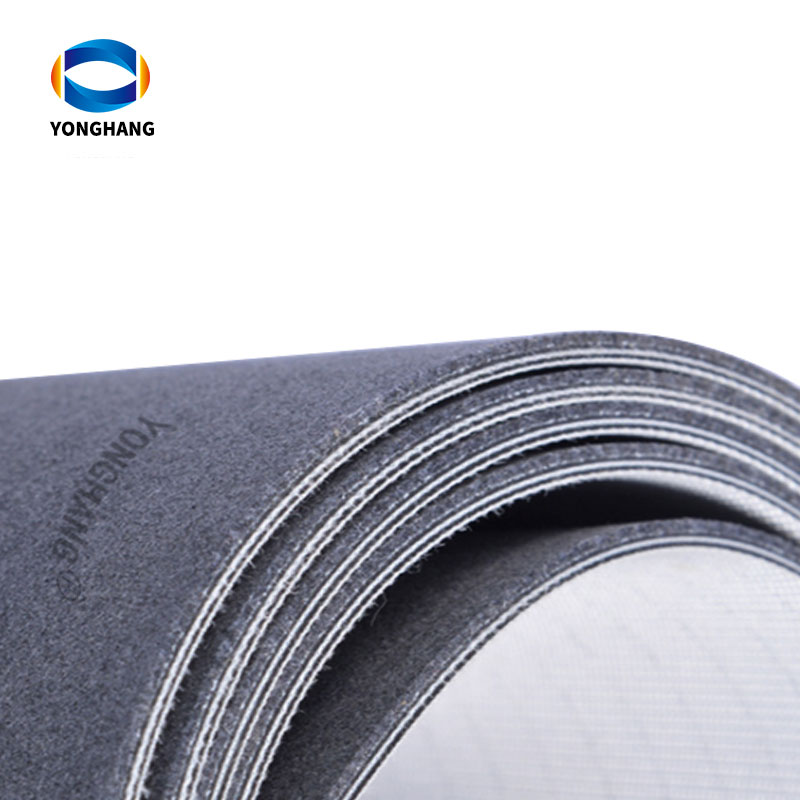
Hər bir lent diqqətlə toxunmamış (iglə ilə delinmiş) poliesterdən hazırlanır və sıx, bir-birinə girmiş lifli struktura malik olur. Struktur möhkəmliyini artırmaq üçün lent yüksək performanslı Kauchuk Lateks ilə tamamilə impregnasiya edilir . Bu kimyəvi birləşmə lentə aşınmaya qarşı möhkəm maneə yaradır və eyni zamanda onun elastikliyini saxlayır.
Əsas performans faydaları:
Yüksək kəsilməyə davamlılıq: Yunun lifli təbiəti kəskin cisimlərin təsirini udur və tez-tez PU və ya PVC lentləri məhv edən dərin kəsiklərin əmələ gəlməsinə mane olur.
Akustik rahatlıq: Yumuşaq, iynələnmiş səth iş zamanı desibel səviyyəsini əhəmiyyətli dərəcədə azaldır və bu da yüksək sürətli sıralama və lojistika üçün idealdir.
Ölçülərin Sabitliyi: Doğru gərginlikdə olduqda, latekslə gücləndirilmiş poliester nüvə təmin edir minimal uzanma (stretch) , nəticədə texniki xidmət zamanı dayanma müddəti azalır.
Yumuşaq materialların idarə edilməsi: İz qoymayan səth avtomobil hissələri, şüşə və tekstil kimi həssas materialların daşınması üçün mükəmməldir.
| Açar sözlər | Keçirici Qürüşaq |
| Mənşə yeri | Guangzhou, Çin |
| Material | Novo keçisi |
| rəng | Qara və mat boz |
| Ölçü | xüsusilaşdırma |
| Qalınlıq | 2,5 mm/3 mm/4 mm/5,5 mm |
| Çekme müqaviməti | 3 mm uzunluqda çəkilmə müqaviməti ≥140 N/mm; 4 mm uzunluqda çəkilmə müqaviməti ≥170 N/mm; 1% uzanma üçün tələb olunan qüvvə ≥15 N. |
| Birgə | Qaynaqlanmış |
| Elektrik enerjisinin toplanmasını azaltan | 10-un 9-cu dərəcəsi |
| Temperatur aralığı | -10 ℃-dən +150 ℃-yə qədər |
| Maksimum En | 3400mm |
| Tətbiq | Kəsici stol, kağız sənayesi və avtomobil tireləri sənayesi |
Emal etmə
Feltlərin emalı istiqamətləndiricilərin əlavə edilməsi və dəliklərin delinməsi addımlarını əhatə edir.
İstiqamətləndiricilərin əlavə edilməsinin məqsədi feltin davamlılığını və sabitliyini artırmaq və istifadə zamanı deformasiyaya uğramamasını və ya meyl etməməsini təmin etməkdir.
Dəqiq yerləşdirmə, havanın udulması və havalandırma üçün dəliklər delinir.
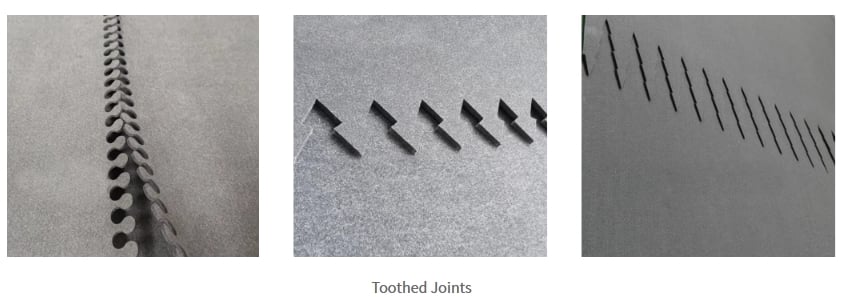
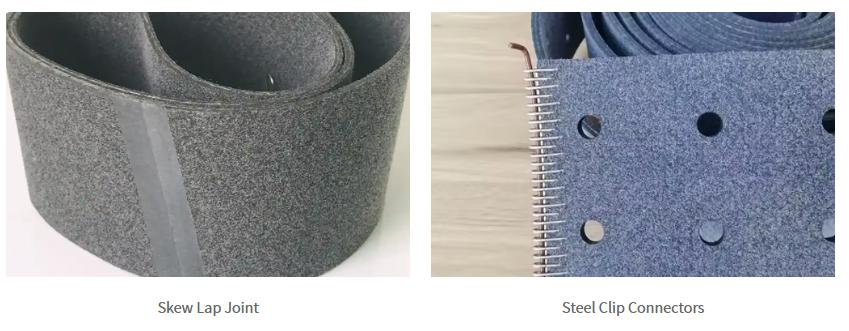
Tez-tez istifadə olunan felt kəmərlərinin birləşmələri
Dişli birləşmələr
Çarpaz üst-üstə gəlmə birləşmə
Polad Klips Konnektorları
Felt Konveyer Qurğuları üçün Ən Çox Verilən 10 Suallar (SSS)
S1: Niyə felt qurğu "Kəsməyə Qarşı" qurğu adlanır?
A:PVC və ya PU qurğulardan fərqli olaraq, onların bərk plastik səthi kəsilməyə çox meyllidir; felt qurğular isə yüksək sıxlıqlı iynə ilə doldurulmuş liflərdən hazırlanır. Bu liflər kəskin kənarların (məsələn, metal vərəqlər və ya şüşə) təzyiqini "udur", beləliklə, dərin kəsiklərə və xərçənglərə qarşı son dərəcə davamlı olur.
S2: Felt qurğu yüklü iş rejimində asanlıqla uzanırmı?
A:Xeyr. Bizim felt qurğularımız xüsusi kauçuk lateksi ilə tamamilə impregnasiya edilmiş və yüksək möhkəmlikli poliesterlə gücləndirilmişdir. Bu konstruksiya qurğunun düzgün ölçülü və gərginlikli olması şərti ilə ağır yüklər altında belə minimal uzanma (gərginlik) təmin edir.
S3: Felt konveyer qurğusu hansı maksimum temperaturda istifadə edilə bilər?
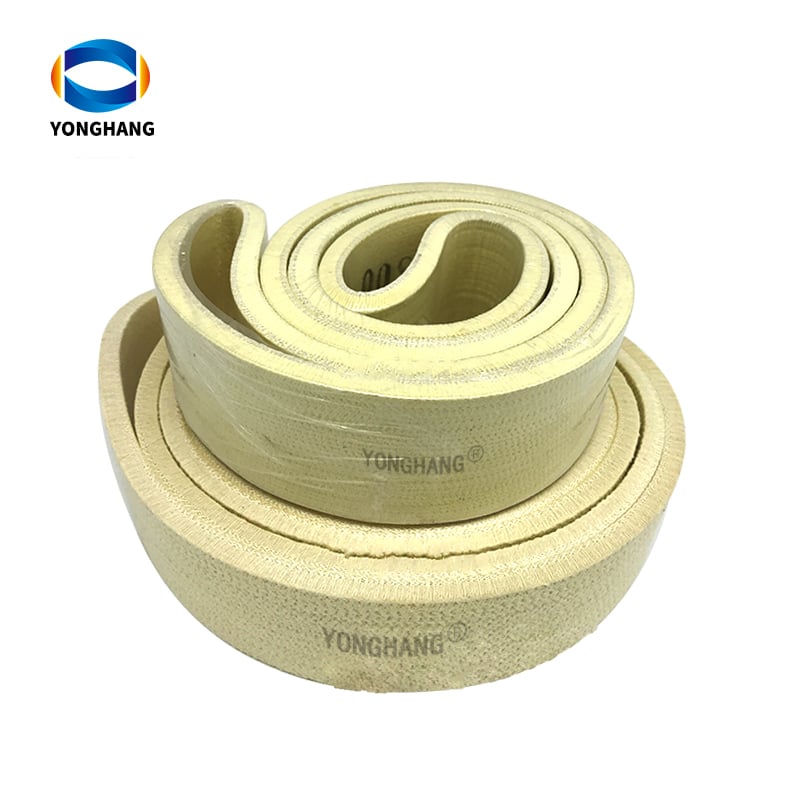
A:Standart poliester felt qurğuları davamlı olaraq 100°C-dən 120°C-yə qədər istilikdə işləyə bilər. Daha yüksək temperaturlar üçün biz xüsusi Aramid (Kevlar) keçə kemerləri həddən artıq 250°C və ya daha çox.
Sual 4: Keçə səthi avtomobil hissələri və ya şüşə kimi həssas məhsullar üçün təhlükəsizdir?
A:Tamamilə. Yumuşaq, toxunmamış səth mükəmməl amortizasiya təmin edir və iz qoymayan dır. Bu, daha sərt sintetik kemerlərlə yaranan xətlərdən (məsələn, avtomobil qapaqları və ya optika) zərif səthləri qoruyur.
Sual 5: Kemer yağlara və kimyəvi maddələrə qarşı davamlıdır?
A:Bəli. Xüsusi lateks impregnasiyası sənaye yağlarına, yağlara və nəmə qarşı yaxşı müqavimət təmin edir. Bu, detallar tez-tez yağlayıcılarla örtülmüş olan metal çap xətləri üçün idealdir.
Sual 6: Keçə kemerlər yığılma (kayma) konveyerlərində istifadə edilə bilər?
A:Bəli. Felt kəmərlərin səthində sürtünmə əmsalı aşağıdır. Bu, məhsulların kəmər hələ də hərəkət edərkən onun üzərində "yığılmasına" və ya sürüşməsinə imkan verir və bu zaman nə kəmər, nə də məhsul zədələnmir.
Sual 7: Felt kəmərin uclarını necə birləşdirirsiniz?
A:Biz iki əsas birləşdirmə üsulu təklif edirik: Dövrü birləşdirmə (Barmaq qovluğu) hamar, qüsursuz işləmə üçün və ya Mexaniki bərkitmələr (Polad qayçılar) maşını sökmədən tez quraşdırma üçün.
Sual 8: Felt kəmər yüksək sürətli çeşidləmə zamanı səs-küy yaradır?
A:Xeyr, felt kəmərlər Aşağı səs xüsusiyyətləri ilə tanınır. Parça strukturu təbii olaraq titrimi yumşaldır və səsi udur; bununla da lojistika və çeşidləmə mərkəzlərində bərk PVC kəmərlərə nisbətən çox daha səssiz olurlar.
Sual 9: Felt liflər zamanla çıxıb düşər („dökülər")mi?
A:Bizim kəmərlərimiz xüsusi bir iynə ilə deldirmə və lateksla birləşdirmə prosesindən keçir və bu, liflərin sıxıca sabitlənməsini təmin edir. Bu, kəmərin xidmət müddəti ərzində tüpürcəksiz və davamlı qalmasını təmin edir.
Sual 10: Bu kəmərlər ən çox hansı sahələrdə istifadə olunur?
A:Onlar ən geniş şəkildə Avtomobil döyülən hissələri ,Metal lövhələrin işlənməsi ,Lojistika/Sıralama ,Elektronika İstehsalı , və Mətbuatçı Nəqliyyatı .