
 EN
EN
 AR
AR
 HR
HR
 DA
DA
 NL
NL
 FR
FR
 DE
DE
 EL
EL
 HI
HI
 IT
IT
 JA
JA
 KO
KO
 NO
NO
 PL
PL
 PT
PT
 RO
RO
 RU
RU
 ES
ES
 TL
TL
 IW
IW
 ID
ID
 SR
SR
 SK
SK
 UK
UK
 VI
VI
 TH
TH
 TR
TR
 AF
AF
 MS
MS
 IS
IS
 HY
HY
 AZ
AZ
 KA
KA
 BN
BN
 LA
LA
 MR
MR
 MY
MY
 KK
KK
 UZ
UZ
 KY
KY
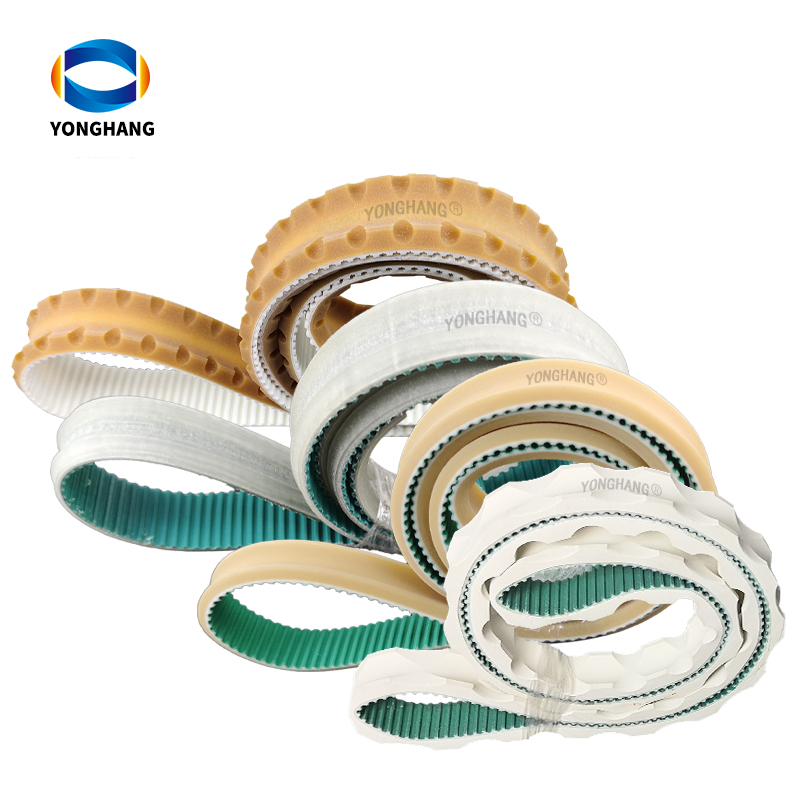
What Is a Sausage Belt and Why It Matters in Meat Processing
The sausage belt serves as a critical part of conveyors used throughout meat processing plants, moving raw meat mixes from stuffing machines all the way through to the cooking area. These special belts need to stay properly aligned and maintain just the right amount of tension when dealing with sticky meat products at fast line speeds. Meat processors know that getting this right matters a lot - good belts help keep product quality consistent, reduce risk of contamination, and boost overall production rates. Bad choices here can really hurt operations though. Food safety reports show plants losing around 12% of their annual production time because of belt failures, which adds up to serious money lost over time.
Sausage belts are different from regular conveyor belts because they use food safe materials such as polyurethane which doesn't let bacteria grow on them and can handle tough cleaning procedures. The way these belts are built means there are fewer places for bad germs to hide, making it easier for facilities to meet those strict FDA standards and European regulation EC 1935/2004 requirements. According to some studies done in the industry, companies that switch to these specially designed belts see about a third less chance of getting contaminated with microbes than when they were using old fashioned systems. That makes sense since cleaner equipment just works better overall.
The operational impact extends beyond sanitation. Precision-engineered belts prevent misalignment-induced jams during high-volume runs, ensuring consistent sausage sizing and weight accuracy. This reduces material waste by 18% while maintaining 99%+ line uptime in 24/7 facilities. For large-scale operations, this reliability translates to over $740,000 in annual savings per production line (Food Processing Journal, 2023).
Key advantages include:
- Temperature resilience: Sustaining performance in steam-cleaning (180°F+) and freezing (-40°F) environments
- Chemical resistance: Tolerance to fatty acids, cleaning solvents, and blood byproducts
- Minimal elongation: Maintaining <2% stretch over 10,000 operational hours
Given these critical functions, optimal sausage belt selection fundamentally determines both product safety standards and operational profitability in modern meat processing.
Key Types and Materials of Sausage Belts for Optimal Performance
Food-Grade Polyurethane (PU) Sausage Belts
Polyurethane belts made for food processing have become standard on both fresh and cooked sausage production lines because they're seamless, meet all the FDA and EC 1935 standards, and really stand up to bacteria getting into them. There are basically three reasons why these belts work so well. First, they resist oil absorption from animal fats which stops them from swelling over time. Second, they maintain their flexibility even after countless hot water rinses and harsh chemical cleanings. And third, they won't corrode when exposed to acidic cleaners such as peracetic acid solutions commonly used in meat processing plants. Plus, these belts run pretty quietly during operation, which is important in fast paced production settings. But there's one catch worth mentioning. If temperatures go past around 180 degrees Fahrenheit for extended periods, the material starts to warp. That makes PU belts not suitable for areas where products need to be smoked or sterilized. For most fresh and partially cooked sausage operations that stay below about 150 degrees Fahrenheit though, polyurethane still offers an unbeatable combination of cleanliness, lasting performance, and reasonable costs compared to other materials available in the market today.
Stainless Steel Modular Sausage Belts for High-Temp Applications
Stainless steel modular belts work really well in extreme temperatures that would melt regular polymer belts. Think about those smoking chambers that get up to around 250 degrees Fahrenheit or the intense heat inside steam sterilization tunnels. The special interlocking design with open links allows water to drain quickly after cleaning processes. This means surfaces dry faster which helps prevent the growth of dangerous biofilms. Compared to flexible plastic alternatives, stainless steel doesn't warp or stretch when subjected to heavy weights over 90 pounds per square foot. Even when going through repeated heating and cooling cycles, the metal stays stable. Sure, they tend to be louder than other options and need regular checks on tension settings. But for sausage manufacturers dealing with cooked, smoked, dried products or ready-to-eat items, these belts last much longer. Food safety regulations require equipment that can handle both high temperatures and physical stress without failing, making stainless steel the go to choice in many processing facilities.
Critical Selection Criteria for Industrial Sausage Belts
Load Capacity, Tension Control, and Line Speed Compatibility
Sausage production belts need to handle all sorts of different loads without bending or slipping. We're talking about thick, cold emulsions and those connected casing sections that can really stress the system. When line speeds don't match up or when tension isn't properly controlled, things start going wrong fast. Products get distorted, links come out uneven, and sometimes whole lines jam completely. For belts dealing with around 50 kg per square meter at speeds approaching 30 meters per minute, manufacturers typically recommend reinforcement with materials like polyester or aramid fibers plus adjustable tension mechanisms. Too much tension wears down the belt edges quicker while too little causes it to wander off track and creates cleaning problems between sections. The key takeaway? Always align belt specs with what actually happens on the production floor rather than relying solely on maximum rating numbers. This approach makes all the difference for keeping operations running smoothly over time.
Sanitation, Cleanability, and FDA/EC1935 Compliance
Sanitation isn't just about checking off materials lists it needs actual surface performance that can be measured. Food grade surfaces made from non porous polyurethane or electropolished stainless steel stop fats from getting absorbed and prevent those stubborn biofilms from taking hold. When belts have under 0.8 microns surface roughness and rounded edges instead of sharp corners, they cut down on places where pathogens hide by around 60% compared to older textured surfaces or ones with seams. This means cleaning cycles take about 40% less time when validated properly. Every part used has to comply with FDA 21 CFR section 177.2600 and EC Regulation 1935/2004 standards for regular food contact applications. And yes there should be third party docs ready for audits whenever needed because nobody wants surprises during inspections.
Maintenance, Troubleshooting, and Lifespan Optimization
Proactive maintenance directly determines operational uptime, hygiene compliance, and total cost of ownership for sausage belts. Structured, documented protocols—not reactive fixes—are what separate high-performing lines from those plagued by unplanned stoppages.
Preventive Maintenance Protocols for Sausage Belt Longevity
Regular daily cleaning with safe, gentle sanitizers gets rid of leftover fats and proteins before they start breaking down belt materials or eating away at metal parts. Checking belt tension every month with proper measuring tools keeps everything running smoothly and stops those annoying edge wear problems. Looking closely at belts once a quarter for tiny cracks, signs of chemical damage, or areas where guides have rubbed against them lets maintenance teams replace components before something breaks down completely. Plants that stick to these kinds of maintenance routines based on ISO 22000 standards tend to see belts last about 40% longer on average, plus there are roughly 70% fewer issues related to cleanliness standards being violated during audits.
Common Issues: Tracking Errors, Stretch, and Surface Wear
Most alignment problems come down to worn out pulleys, dirt collecting in the side guides, or frames mounted off balance rather than actual belt issues. When fixing things, replacing pulleys with laser alignment tools works best alongside those self centering idler wheels. If belts stretch past 2%, that usually means someone has been cranking up tension too much or there's been heat damage somewhere. Resetting everything back to factory specs on torque settings gets things running smoothly again and makes belts last longer. Sharp edges on guide rails and scrapers placed wrong really speed up wear and tear. Installing support brackets with rounded edges and checking scraper blade positions at setup time stops this problem dead in its tracks. Getting ahead of these maintenance headaches saves money because unexpected shutdowns cost meat processing plants around $5k every single hour according to Food Processing magazine from last year.
FAQ
What are sausage belts used for?
Sausage belts are utilized in meat processing plants to transport raw meat mixes from stuffing machines to the cooking area, ensuring consistent product quality and production rates.
What materials are sausage belts made from?
Sausage belts are typically made from food-safe materials like polyurethane and stainless steel, which are designed to resist bacteria and withstand tough cleaning processes.
Why is sanitation critical for sausage belts?
Sanitation is vital because it helps prevent contamination, maintains product safety standards, and reduces maintenance costs by ensuring that the belts remain clean and functional.
What maintenance practices can optimize sausage belt lifespan?
Regular cleaning, tension checks, and visual inspections for cracks or damage can enhance the longevity and performance of sausage belts, preventing unplanned stoppages and maintaining hygiene compliance.