
 EN
EN
 AR
AR
 HR
HR
 DA
DA
 NL
NL
 FR
FR
 DE
DE
 EL
EL
 HI
HI
 IT
IT
 JA
JA
 KO
KO
 NO
NO
 PL
PL
 PT
PT
 RO
RO
 RU
RU
 ES
ES
 TL
TL
 IW
IW
 ID
ID
 SR
SR
 SK
SK
 UK
UK
 VI
VI
 TH
TH
 TR
TR
 AF
AF
 MS
MS
 IS
IS
 HY
HY
 AZ
AZ
 KA
KA
 BN
BN
 LA
LA
 MR
MR
 MY
MY
 KK
KK
 UZ
UZ
 KY
KY
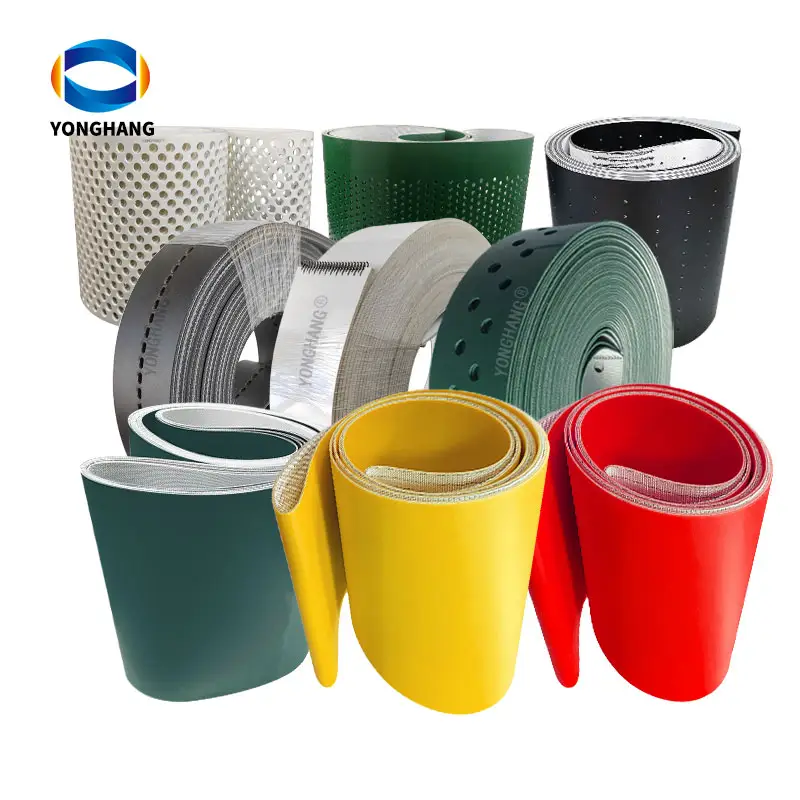
Nauka stojąca za poprawą wydajności paska zębatego przez nanoszenie powłoki
Optymalizacja tarcia i współpracy poprzez kontrolę przyczepności na poziomie cząsteczkowym
Pasy rozrządowe uzyskują znaczną poprawę wydajności, gdy na poziomie nanoskalowym nanosi się na nie specjalistyczne polimerowe powłoki. Powłoki te działają poprzez wypełnianie niewidocznych gołym okiem drobnych niedoskonałości powierzchni, co zapewnia znacznie gładziej przebiegające punkty styku pomiędzy poruszającymi się elementami. Badania opublikowane w zeszłorocznym numerze czasopisma Journal of Tribology wykazały, że tarcie spada o około 40% w porównaniu do standardowych pasów. Na poziomie molekularnym oznacza to lepsze przyczepność w sytuacjach, gdy silnik wymaga maksymalnego momentu obrotowego, dzięki czemu mniej energii jest tracone na poślizg, a wszystkie elementy pozostają odpowiednio zsynchronizowane. Powłoki zmniejszają również wibracje o około 15 decybeli, co pomaga zapobiegać przedwczesnemu zużyciu elementów silnika spowodowanemu częstotliwościami rezonansowymi. To, co szczególnie wyróżnia te polimery, to ich zdolność do zachowywania elastyczności nawet w skrajnych temperaturach – od minus 40 stopni Celsjusza aż do 120 stopni Celsjusza. Producenti tekstylów, którzy pracują z maszynami poddanymi stałym zmianom naprężeń, zgłaszają przedłużenie żywotności pasów o około 20% po przejściu na tę technologię powłok.
Zmniejszone mikropoślizgi: Dowody z badań polowych zgodnie z normą ISO 5299-2022 dotyczących pasków poliuretanowych z powłoką
Dowód z rzeczywistego świata? Spójrz na wyniki z ponad 200 obiektów przemysłowych, które stosowały standard ISO 5299-2022. Badania te wykazały, że opótkowane paski poliuretanowe wykazywały o 28% mniejsze dryfowanie pozycyjne w porównaniu do wartości typowych dla standardowych rozwiązań. Podczas testów przy standardowym obciążeniu 90 N także znacznie zmniejszyła się liczba drobnych poślizgów zakłócających pracę maszyn pakujących – od ok. 0,15 stopnia do zaledwie 0,05 stopnia przemieszczenia. Fabryki samochodowe korzystające z tych opótkowanych pasów odnotowały również imponujące rezultaty: utrzymywały dokładność w granicach ±0,1 mm nawet po pół miliona cykli, podczas gdy zwykłe paski odchylały się o ok. 0,35 mm. Miało to rzeczywisty wpływ na linię produkcyjną: producenci półprzewodników zgłosili o 18% mniej odrzuconych produktów dzięki lepszej wydajności pasów. Powłoka pomaga także w rozwiązaniu innego problemu – pochłaniania wody. Dzięki skutecznemu odprowadzaniu wilgoci znacznie zmniejsza się wahanie siły docisku pasa. W wilgotnych środowiskach, w których większość pasów traci ok. 22% swojej skuteczności, te opótkowane traciły mniej niż 3%. To właśnie ta różnica decyduje o skuteczności działania w warunkach wilgotnych.
Zwiększona trwałość: jak paski zębate z powłoką odpierają zużyciu i naprężeniom środowiskowym
Odporność na ścieranie w przemysłowych zastosowaniach o wysokiej liczbie cykli
Pasy zębate poddawane są znacznemu obciążeniu w aplikacjach o dużej liczbie cykli, takich jak linie butelkujące i zautomatyzowane systemy montażowe, przechodząc często przez miliony cykli zaangażowania w trakcie swojej żywotności. Co się dzieje, gdy na te pasy nanosi się specjalne powłoki? Otóż powłoki te wygładzają nierówności na powierzchni poliuretanu, co skutkuje zmniejszeniem tarcia. Testy polowe wykazały, że pasy z powłoką tracą około 70% mniej materiału niż pasy zwykłe przy podobnych warunkach zużycia. Dlaczego te powłoki są tak dobre? Tworzą one wytrzymałą, ale elastyczną zewnętrzną warstwę, która zapobiega gromadzeniu się kurzu i zanieczyszczeń w zębach pasa. Ma to ogromne znaczenie, ponieważ zakleszczone cząstki mogą uszkodzić zarówno kształt zębów pasa, jak i sposób jego współpracy z kołami pasowymi. Dłuższa żywotność pasów oznacza mniej czasu poświęcanego na przestoje konserwacyjne. Warto o tym pomyśleć: większość fabryk pracuje w trybie 24/7, a według badań Instytutu Ponemona z ubiegłego roku każdy godzinny przestój kosztuje średnio około 740 000 USD. Dlatego niezawodne pasy, które nie wymagają ciągłej wymiany, to nie tylko wygoda – są one absolutnie niezbędne do zapewnienia płynnego przebiegu produkcji.
Ochrona chemiczna i termiczna w surowych środowiskach procesowych
Wielowarstwowe bariery molekularne występujące w zabezpieczonych paskach rozrządowych pomagają tym elementom utrzymać integralność nawet w warunkach szczególnie surowych. Dla osób pracujących w środowiskach przetwarzania chemicznego dostępne są specjalne powłoki zaprojektowane specjalnie tak, aby skutecznie przeciwdziałać olejom i rozpuszczalnikom, które zwykle powodują rozprężanie się standardowych materiałów poliuretanowych oraz utratę ich wytrzymałości w czasie. Takie zabezpieczone paski charakteryzują się również dużą odpornością termiczną — działają w zakresie temperatur od minus 40 °C aż do prawie 150 °C. Taka elastyczność termiczna czyni je odpowiednimi m.in. do procesów sterylizacji parą w zakładach spożywczych, pracy w obecności kwasowych oparów podczas operacji galwanizacji oraz utrzymania właściwej wydajności przy kontakcie z płynami hydraulicznymi wewnątrz samochodów. Szczególnie imponujące jest to, jak te powłoki zapobiegają zamoczeniu się pasków i powstawaniu pęknięć w warunkach skrajnie niskich temperatur zewnętrznych, jednocześnie zachowując wystarczającą giętkość do prawidłowego działania w pobliżu gorących obszarów, takich jak komory silnikowe. Dane branżowe wskazują, że w miejscach, gdzie korozja stanowi poważny problem, zabezpieczone paski rozrządowe mają ok. 40-procentowo dłuższą żywotność niż ich niezabezpieczone odpowiedniki przed koniecznością wymiany.
Korzyści operacyjne i ekonomiczne wynikające z powlekania pasków rozrządu
Zmniejszenie przestojów dzięki stałemu napięciu i stabilności zaцепienia
Powlekane paski rozrządu zapewniają rzeczywiste poprawy czasu pracy maszyn, ponieważ utrzymują stałe napięcie i zapobiegają drobnym poślizgom występującym w czasie eksploatacji. Lepsza kontrola tarcia powierzchniowego zapewnia również prawidłowe zaцепienie zębów, co skutkuje zmniejszeniem liczby uciążliwych, nieplanowanych wyłączeń. Zgodnie z raportami branżowymi z ubiegłego roku zakłady przemysłowe odnotowały około 40-procentowe zmniejszenie awarii po wprowadzeniu tych powlekanych pasków w swoim sprzęcie przeznaczonym do intensywnej eksploatacji. Gdy napięcie się nie obniża, a zęby nie przeskakują względem siebie, produkcja przebiega bez przerwy. Ma to szczególne znaczenie dla zautomatyzowanych linii montażowych, gdzie każda utracona godzina kosztuje średnio około osiemnastu tysięcy dolarów. Niektórzy producenci donoszą, że dzięki tej modernizacji mogą uruchamiać swoje maszyny w trybie ciągłej pracy przez wiele tygodni bez konieczności konserwacji.
Niższy całkowity koszt posiadania: analiza zwrotu z inwestycji w okresie 3-letniego cyklu życia sprzętu
Choć zabezpieczone paski rozrządu mają początkowy koszt o 15–20% wyższy, to ich dłuższa żywotność zapewnia atrakcyjne korzyści ekonomiczne. Trzyletnia analiza eksploatacji wykazuje:
| Czynnik kosztowy | Paski niepowlekane | Paski powlekane | Zmniejszenie |
|---|---|---|---|
| Częstotliwość wymiany | 4X | 1,5x | 62.5% |
| Konserwacja i Utrzymanie | 120 godzin | 45 godzin | 62.5% |
| Zużycie energii | Linia bazowa | o 7% niższe | 3 500 USD/rok |
Łączny efekt – mniejsza liczba wymian, obniżone koszty pracy i mniejsze zużycie energii – przynosi zwrot z inwestycji na poziomie 22% już po 18 miesiącach. Oznacza to, że zabezpieczone paski rozrządu nie są dodatkowym rozwiązaniem premium, lecz strategiczną inwestycją w długoterminową wydajność operacyjną oraz trwałość sprzętu.
Często zadawane pytania:
Jakie są korzyści wynikające z zastosowania pasków rozrządu z powłoką polimerową?
Paski rozrządu z powłoką polimerową poprawiają wydajność dzięki zmniejszeniu tarcia, ograniczeniu drgań, zachowaniu elastyczności w warunkach skrajnych temperatur oraz wydłużeniu czasu użytkowania pasków.
W jaki sposób zabezpieczone paski rozrządu pomagają zmniejszyć mikropoślizg?
Pasy zębate powlekane zmniejszają mikropoślizg dzięki poprawie dokładności pozycjonowania i przyczepności, co prowadzi do mniejszego dryfu oraz obniżenia wskaźnika odrzutów w środowiskach produkcyjnych.
Dlaczego pasy zębate powlekane są odpowiednie dla surowych warunków eksploatacji?
Powłoki tworzą barierę molekularną odporną na działanie czynników chemicznych i termicznych, umożliwiając pasom zębatym prawidłowe funkcjonowanie w trudnych warunkach bez degradacji.