
 EN
EN
 AR
AR
 HR
HR
 DA
DA
 NL
NL
 FR
FR
 DE
DE
 EL
EL
 HI
HI
 IT
IT
 JA
JA
 KO
KO
 NO
NO
 PL
PL
 PT
PT
 RO
RO
 RU
RU
 ES
ES
 TL
TL
 IW
IW
 ID
ID
 SR
SR
 SK
SK
 UK
UK
 VI
VI
 TH
TH
 TR
TR
 AF
AF
 MS
MS
 IS
IS
 HY
HY
 AZ
AZ
 KA
KA
 BN
BN
 LA
LA
 MR
MR
 MY
MY
 KK
KK
 UZ
UZ
 KY
KY
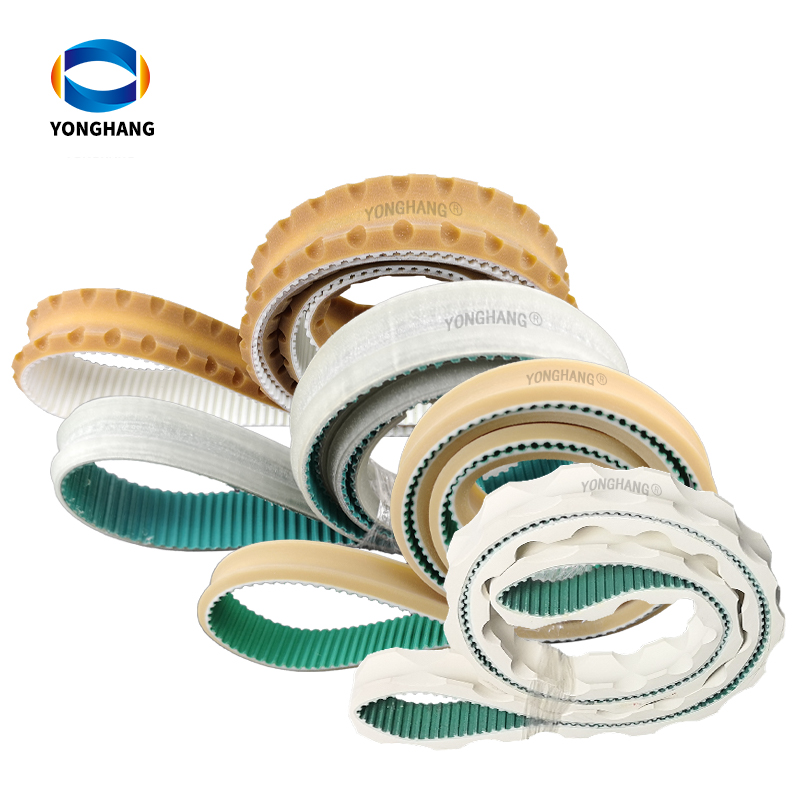
Οι ταινίες μεταφοράς λουκάνικων ως κρίσιμα σημεία ελέγχου υγιεινής στην επεξεργασία τροφίμων
Πώς οι παραδοσιακές ραφές των ταινιών μεταφοράς δημιουργούν καταφύγια για βακτήρια
Οι παλιομοδίτικες ταινίες μεταφοράς που διαθέτουν μηχανικές αρθρώσεις ή ραφές τείνουν να συγκεντρώνουν κομμάτια κρέατος, υγρασία και όλων των ειδών τα οργανικά υπολείμματα σε αυτές τις μικροσκοπικές ραφές. Αυτές οι μικρές τσέπες μετατρέπονται σε εστίες αναπαραγωγής επικίνδυνων βακτηρίων, όπως το Listeria και το Salmonella. Δοκιμές δείχνουν ότι οι συγκεντρώσεις βακτηρίων είναι συχνά δέκα φορές υψηλότερες σε αυτές τις περιοχές ραφής σε σύγκριση με τα λεία τμήματα της ταινίας. Τα περισσότερα καθαριστικά δεν μπορούν να διεισδύσουν αρκετά βαθιά σε αυτούς τους μικροσκοπικούς χώρους, γεγονός που οδηγεί στη συνεχή δημιουργία βιοφιλμ, ανεξάρτητα από το πόσο ενδελεχής είναι η διαδικασία καθαρισμού. Αυτό σημαίνει στην πράξη ότι αυτές οι ταινίες δεν απλώς μεταφέρουν τρόφιμα κατά μήκος της γραμμής παραγωγής πλέον. Λειτουργούν μάλιστα ως κρυφές πηγές μόλυνσης που μπορούν να ανατρέψουν πλήρως ακόμα και τις καλύτερες προσπάθειες υγιεινής και τα πρωτόκολλα HACCP.
Γιατί οι αδιάκοπες, ατελείωτες ταινίες για λουκάνικα εξαλείφουν τους κινδύνους μόλυνσης
Οι ζωνοδεσμοί για λουκάνικα που κατασκευάζονται από μονοκόμματα πολυμερή υλικά εξαλείφουν εκείνα τα ασθενή σημεία όπου τα βακτήρια τείνουν να συσσωρεύονται. Αυτές οι συνεχείς επιφάνειες δεν παγιδεύουν εύκολα σωματίδια, μειώνουν τον χρόνο καθαρισμού τους και αντέχουν όλες τις απαιτητικές καθαριστικές διαδικασίες με υψηλή πίεση χωρίς να καταστρέφονται. Δοκιμές με σφουγγάρια ATP έδειξαν ότι, μετά από τακτικό καθαρισμό, αυτοί οι ασυρμάτιστοι ζωνοδεσμοί φέρουν μόνο το 0,3% των βακτηρίων που παρατηρούνται σε παραδοσιακούς ζωνοδεσμούς με ραφές. Στα εργοστάσια επεξεργασίας κρέατος, όπου οι επιθεωρητές ελέγχουν συνεχώς τις εργασιακές διαδικασίες, η χρήση αυτού του είδους ζωνοδεσμών καθιστά διαφορά για την επιτυχή διεξαγωγή ελέγχων HACCP και για τον έλεγχο της διασταυρωμένης μόλυνσης στις περιοχές παραγωγής.
Επιστήμη Υλικών Για Τρόφιμα: Επιλογή Πολυμερών Για Ασφάλεια και Απόδοση Ζωνοδεσμών Για Λουκάνικα
Συμμόρφωση με τα πρότυπα NSF/ANSI 169 και FDA 21 CFR 177.2600 στα πολυμερή ζωνοδεσμών για λουκάνικα
Η συμμόρφωση προς τα πρότυπα NSF/ANSI 169 για την υγιεινή εξοπλισμού τροφίμων και η τήρηση της κανονιστικής διάταξης της FDA 21 CFR 177.2600 σχετικά με πολυμερή που έρχονται σε έμμεση επαφή με τρόφιμα δεν είναι απλώς συνιστώμενη, αλλά απολύτως υποχρεωτική. Αυτά τα πρότυπα εξασφαλίζουν στην πράξη ότι οι ταινίες μεταφοράς δεν απελευθερώνουν επικίνδυνα χημικά, ακόμα και όταν υπόκεινται σε θερμότητα, φθορά ή επαφή με καθαριστικά. Όταν οι κατασκευαστές χρησιμοποιούν υλικά που δεν πληρούν αυτές τις απαιτήσεις, υπάρχει πραγματικός κίνδυνος να εισέλθουν ουσίες όπως οι φθαλικές ενώσεις στην αλυσίδα τροφίμων. Και αυτό δεν είναι απλώς θεωρητικό· η FDA έχει εντείνει τις ενέργειές της κατά των προβλημάτων με τις ταινίες μεταφοράς τελευταία, με τις ενέργειες επιβολής να έχουν αυξηθεί κατά περίπου 40% από τις αρχές του 2021. Οι περισσότερες βιομηχανικές εγκαταστάσεις χρησιμοποιούν θερμοπλαστικό πολυουρεθάνιο (TPU), επειδή λειτουργεί εξαιρετικά καλά. Το TPU έχει σταθερή μοριακή σύνθεση, απελευθερώνει ελάχιστες ουσίες κατά τις δοκιμές και αντιστέκεται στη διείσδυση βακτηρίων σε μικροσκοπικό επίπεδο — κάτι που άλλα υλικά απλώς δεν μπορούν να αντισταθμίσουν.
Ταίριασμα της χημείας της ζώνης για λουκάνικα με τις συνθήκες επεξεργασίας (pH, λίπος, θερμοκρασία)
Η απόδοση του πολυμερούς πρέπει να συμφωνεί ακριβώς με τις λειτουργικές παραμέτρους—διαφορετικά υπάρχει κίνδυνος επιταχυνόμενης αποδόμησης και ευπάθειας σε βιοφιλμ:
- Οξικά μείγματα (pH 4,5–5,5) : Οι βασισμένες σε εστέρα TPU αντιστέκονται στην υδρόλυση πολύ καλύτερα από τις εναλλακτικές βασισμένες σε αιθέρα ή το PVC, τα οποία διογκώνονται και παρουσιάζουν ρωγμές υπό παρατεταμένη έκθεση σε οξύ.
- Μειγμάτων υψηλής περιεκτικότητας σε λίπος : Οι ανθεκτικές στο λάδι ενώσεις πολυουρεθάνης περιορίζουν τη διόγκωση σε ≤2% μεταβολή όγκου (σύμφωνα με το πρότυπο ASTM D543), διατηρώντας τη διαστασιακή σταθερότητα και την ακεραιότητα της επιφάνειας.
- Θερμικές ακραίες συνθήκες : Οι τροποποιημένες με πυριτικό ή ειδικά διατυπωμένες TPU διατηρούν την ελαστικότητα και την εφελκυστική αντοχή τους σε εύρος θερμοκρασιών από -40°C έως 220°C—κρίσιμο για τις ζώνες κατάψυξης, μαγειρέματος και αποστείρωσης.
Η επικύρωση του υλικού απαιτεί πρωτόκολλα επιταχυνόμενης γήρανσης που προσομοιώνουν ≥3 χρόνια θερμικής κύκλωσης και χημικής έκθεσης. Κάθε μικρορωγμή που παρατηρείται κατά τη διάρκεια των δοκιμών υποδηλώνει απαράδεκτο κίνδυνο βιοφιλμ—και αποκλείει τη ζώνη για εφαρμογές λουκάνικων υψηλού κινδύνου.
Καθοδηγούμενη από το σχέδιο καθαριστικότητα: Επιφανειακή επεξεργασία, ακεραιότητα των άκρων και μετρικές επικύρωσης για ιμάντες λουκάνικων
Αξιολόγηση των ισχυρισμών «χωρίς ραφές»: Οι επιπτώσεις της θερμικής κύκλωσης στην ακεραιότητα των ιμάντων λουκάνικων
Η κατασκευή χωρίς ραφές λειτουργεί πραγματικά καλύτερα όταν πραγματοποιείται μέσω συνεχούς μορφοποίησης, αντί για κοπή και κόλληση των τμημάτων μετά το τέλος της διαδικασίας. Οι κατασκευαστές ελέγχουν την αντοχή των ιμάντων υποβάλλοντάς τους σε ακραίες μεταβολές θερμοκρασίας, από μείον 30 βαθμούς Κελσίου έως και 80 βαθμούς Κελσίου. Οι μονολιθικοί ατέλειωτοι ιμάντες εμφανίζουν συνήθως μεταβολή σχήματος μικρότερη του 0,5% ακόμα και μετά από πάνω από 100 τέτοιους κύκλους, ενώ οι συνηθισμένοι ιμάντες με ραφές αρχίζουν να εμφανίζουν μικροσκοπικές ρωγμές μετά από περίπου 50 κύκλους. Όταν εμφανίζονται αυτές οι μικρές ρωγμές, επηρεάζεται η τάση του ιμάντα να παραμένει σφιχτός, τα άκρα του ανασηκώνονται και, χειρότερο απ’ όλα, δημιουργούνται χώροι όπου οι επιμολύνσεις μπορούν να «κρυφτούν». Αυτό δεν καθιστά μόνο δυσκολότερο τον καθαρισμό, αλλά οδηγεί επίσης σε βλάβες κατά τη λειτουργία, οι οποίες κανείς δεν επιθυμεί να αντιμετωπίσει.
Δεδομένα Δοκιμής ATP: Συσχέτιση της Τραχύτητας Επιφάνειας (Ra) με την Αποτελεσματικότητα Απομάκρυνσης Μικροοργανισμών
Το πόσο τραχιά είναι μια επιφάνεια διαδραματίζει σημαντικό ρόλο στο πόσο εύκολα καθαρίζεται πραγματικά ένα αντικείμενο. Οι δοκιμές με σφουγγάρια ATP δείχνουν ότι υπάρχει μια σαφής σχέση μεταξύ της τραχύτητας επιφάνειας (Ra) και της αποτελεσματικότητας απομάκρυνσης μικροοργανισμών. Οι ιμάντες με τιμή Ra ίση ή μικρότερη των 0,8 μικρομέτρων τείνουν να απομακρύνουν παθογόνα κατά 50 έως 70 τοις εκατό αποτελεσματικότερα σε σύγκριση με επιφάνειες με τιμή Ra μεγαλύτερη των 1,6 μικρομέτρων, μετά από τις τυπικές διαδικασίες καθαρισμού. Όταν εξετάζουμε πολύ λείες επιφάνειες με τιμή Ra κάτω των 0,4 μικρομέτρων, τα βιοφίλμ δεν προσκολλώνται επίσης τόσο καλά. Τα σημεία πρόσδεσης για αυτά τα επίμονα φίλμ ουσιαστικά εξαφανίζονται, οδηγώντας σε περίπου 90% μείωση της πρόσφυσης. Γι’ αυτόν τον λόγο, πρότυπα όπως το NSF/ANSI 169 απαιτούν οι ιμάντες που χρησιμοποιούνται στην επεξεργασία ακατέργαστων λουκάνικων να έχουν τιμή Ra κάτω των 0,5 μικρομέτρων. Αυτή η προδιαγραφή διασφαλίζει ότι οι απολυμαντικές ουσίες λειτουργούν σωστά και ότι οι μηχανικές μέθοδοι καθαρισμού εκτελούν πραγματικά το έργο τους αποτελεσματικά.
| Τραχύτητα Επιφάνειας (Ra) | Ρυθμός Απομάκρυνσης Μικροοργανισμών | Επίπεδο Κινδύνου Βιοφίλμ |
|---|---|---|
| ≤ 0,4 μm | ≥ 95% | Χαμηλά |
| 0,5–0,8 μm | 80–94% | Μετριοπαθής |
| > 0,8 μm | ≤ 70% | Υψηλές |
Συχνές Ερωτήσεις
Ποια είναι τα πλεονεκτήματα των αδιάκοπων ιμάντων για λουκάνικα σε σύγκριση με τους παραδοσιακούς ιμάντες μεταφοράς;
Οι αδιάκοποι ιμάντες για λουκάνικα εξαλείφουν τα ασθενή σημεία όπου συσσωρεύονται βακτήρια, μειώνοντας τον χρόνο καθαρισμού και τον κίνδυνο μόλυνσης.
Γιατί είναι σημαντική η επιλογή του πολυμερούς για τους ιμάντες λουκάνικων;
Η κατάλληλη επιλογή πολυμερούς συμβάλλει στην εξασφάλιση της συμμόρφωσης με τα πρότυπα ασφαλείας και βελτιώνει την αντοχή του ιμάντα στη φθορά και στα βακτήρια.
Περιεχόμενα
- Οι ταινίες μεταφοράς λουκάνικων ως κρίσιμα σημεία ελέγχου υγιεινής στην επεξεργασία τροφίμων
- Επιστήμη Υλικών Για Τρόφιμα: Επιλογή Πολυμερών Για Ασφάλεια και Απόδοση Ζωνοδεσμών Για Λουκάνικα
- Καθοδηγούμενη από το σχέδιο καθαριστικότητα: Επιφανειακή επεξεργασία, ακεραιότητα των άκρων και μετρικές επικύρωσης για ιμάντες λουκάνικων
- Συχνές Ερωτήσεις