
 EN
EN
 AR
AR
 HR
HR
 DA
DA
 NL
NL
 FR
FR
 DE
DE
 EL
EL
 HI
HI
 IT
IT
 JA
JA
 KO
KO
 NO
NO
 PL
PL
 PT
PT
 RO
RO
 RU
RU
 ES
ES
 TL
TL
 IW
IW
 ID
ID
 SR
SR
 SK
SK
 UK
UK
 VI
VI
 TH
TH
 TR
TR
 AF
AF
 MS
MS
 IS
IS
 HY
HY
 AZ
AZ
 KA
KA
 BN
BN
 LA
LA
 MR
MR
 MY
MY
 KK
KK
 UZ
UZ
 KY
KY
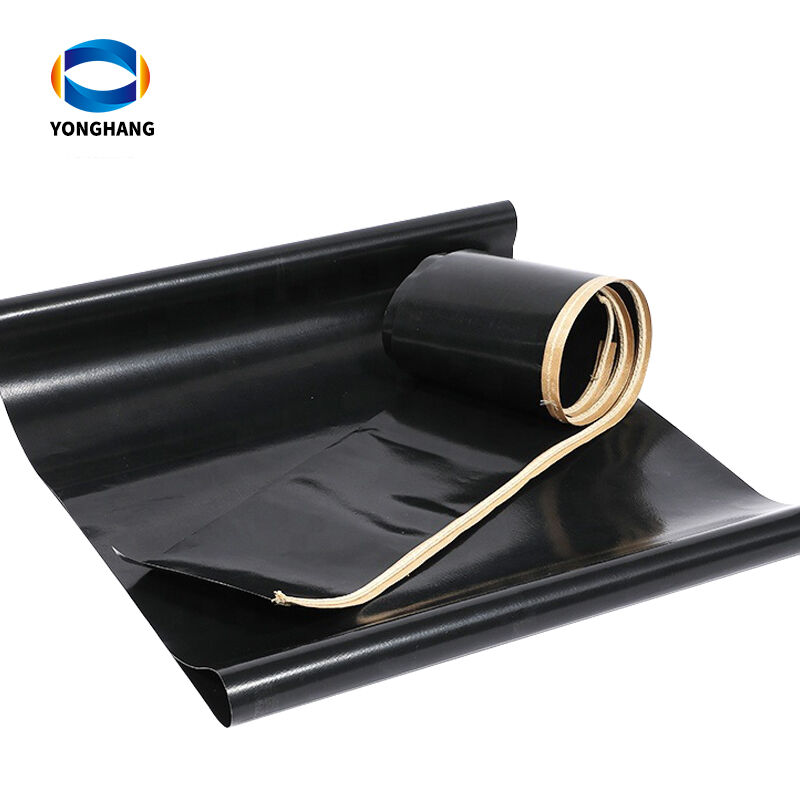
A Fronteira Sem Fricção: Por Que as Correias Antiestáticas de PTFE Sem Costura Estão Revolucionando a Fusão Têxtil
No mundo acelerado da fabricação de roupas e laminação têxtil, a confiabilidade mecânica é a linha tênue entre lucratividade e paradas custosas.
À medida que a engenharia de precisão avança, fábricas de vestuário progressistas estão abandonando as tradicionais correias emendadas em favor de uma alternativa superior — Antiestáticas contínuas de PTFE .
Mas o que torna essa correia fluoropolimérica sem emendas e com blindagem eletrostática a atualização definitiva para linhas de produção modernas? Vamos aprofundar na engenharia por trás da solução para os problemas mais frustrantes no chão de fábrica.
O defeito fatal das correias emendadas: compreendendo o alinhamento incorreto e o desvio
As correias transportadoras tradicionais são fabricadas cortando rolos planos de tecido de fibra de vidro revestido com PTFE e unindo as extremidades por meio de uma emenda sobreposta ou de um fixador mecânico. Embora sejam economicamente vantajosas inicialmente, essa emenda sobreposta introduz um perfil de espessura irregular.
Ao operar em altas velocidades sob intensa calor, essa pequena saliência desencadeia três principais problemas operacionais:
-
Desvio Lateral de Rastreamento (Inclinação da Correia): Como o comprimento do perímetro raramente é idêntico nas duas bordas de uma correia emendada, ela tende naturalmente a desviar para um dos lados, causando desgaste nas bordas e falha prematura.
-
Flutuações de Pressão: A sobreposição cria um pico localizado de pressão cada vez que passa sob os roletes de fusão, resultando em adesão inconsistente e marcas em materiais de revestimento ultrafinos.
-
Ruptura Súbita da Emenda: O processamento em alta temperatura submete a emenda à fadiga contínua por flexão. Eventualmente, a emenda se fissura, descascando-se no meio do turno e forçando uma paralisação imediata da sua linha de produção.
A Solução Contínua: Engenharia da Uniformidade
No centro do Fita Contínua de PTFE YONGHANG é uma filosofia revolucionária de fabricação: continuidade geométrica total. Em vez de unir folhas planas, essas fitas são tecidas continuamente como um cilindro ininterrupto e monolítico, utilizando matrizes de fibra de vidro de alto módulo ou aramida premium (Kevlar).
Uma vez formado o núcleo estrutural cilíndrico, ele passa por um processo de imersão em PTFE a alta temperatura. O resultado é uma fita transportadora de Teflon verdadeiramente contínua, que apresenta dimensões idênticas em cada milímetro de seu perímetro e largura.
-
Nenhuma Vulnerabilidade Estrutural: Sem sobreposição, o risco de fissuração ou descascamento da emenda é eliminado em 100%.
-
Alinhamento Perfeito de Rastreamento: O perfil de tensão perfeitamente equilibrado garante que a fita se mova em linha reta, sem desvios, reduzindo drasticamente o desgaste estrutural e prolongando sua vida útil operacional.
-
Topografia de Superfície Prismática Lisa: Uma espessura uniforme significa distribuição consistente de pressão, tornando-a a escolha ideal para prensagem e fusão de roupas superfinas e premium sem deixar marcas estéticas.
Vencendo o Inimigo Invisível: Blindagem Avançada contra ESD
Além da integridade estrutural, as operações têxteis modernas enfrentam um disruptor invisível: a eletricidade estática. A fricção contínua em alta velocidade entre tecidos sintéticos e superfícies não condutoras gera cargas eletrostáticas consideráveis.
Num sistema padrão de esteira transportadora, essa eletricidade estática faz com que entretelas leves e tecidos delicados aderam teimosamente à superfície da esteira. Em vez de serem liberados automaticamente na extremidade de descarga, os tecidos enrolam-se nos roletes, causando obstruções de material, amarrotamentos e taxas de defeitos que prejudicam severamente seus indicadores de controle de qualidade.
Para resolver esse problema, são utilizadas Esteiras de Fusão Antiestáticas de PTFE são infundidos com um compósito de fluoropolímero carregado com carbono. Essa modificação permanente atua como uma blindagem dissipadora de estática, neutralizando e aterrando continuamente a acumulação de cargas estáticas. O tecido é liberado com facilidade e limpeza ao final do ciclo de transporte, facilitando a transferência contínua e automatizada das peças.
Atualizações Personalizadas: De Arranjos de Dupla Camada ao Rastreamento Avançado
A fabricação industrial raramente é uma solução única para todos. Para atender a perfis distintos de tensão mecânica, correias sem emendas avançadas podem ser personalizadas com modificações estruturais de alto nível:
-
Correias Laminadas (Duas Camadas / Dupla Camada): Projetadas pela fusão de tecido vernizado antiestático no interior com fibra de vidro resistente ao rasgo no exterior. Essa arquitetura dual camada escalonada oferece resistência excepcional à fadiga por flexão, otimizada especificamente para laminação de revestimentos ultrafinos.
-
Guias em V de Kevlar e Selagem nas Bordas: A flexão em alta velocidade faz com que as bordas brutas da correia desfiem ao longo do tempo. A vedação das bordas fixa firmemente o material central ao revestimento de Teflon. Combinada com uma reforçada nervura guia de Kevlar (guia em V), a deriva lateral é suprimida mecanicamente.
-
Guia de Rastreamento: Rebites / Ilhós: Botões de posicionamento em latão podem ser perfurados diretamente nas bordas da correia, encaixando-se perfeitamente nas polias motrizes da sua máquina para garantir um rastreamento perfeito mesmo sob cargas elevadas.
Compatibilidade universal entre marcas de máquinas
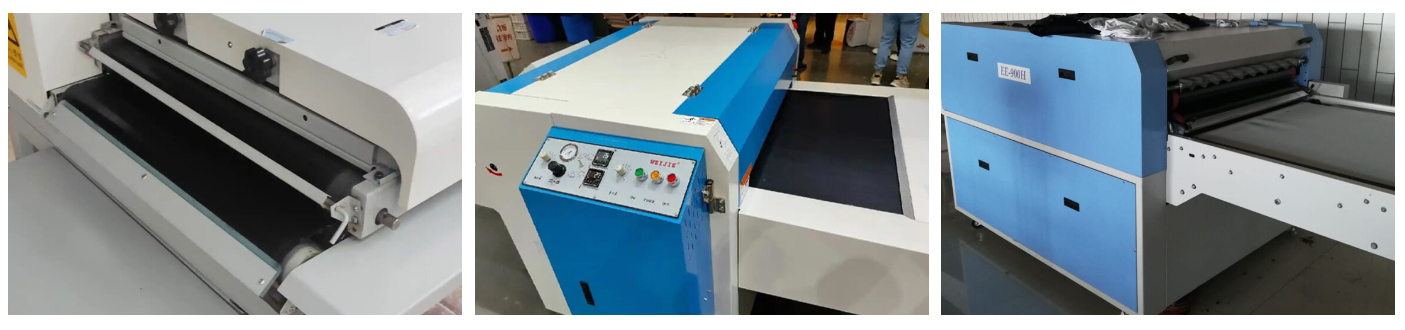
Um componente premium deve integrar-se perfeitamente à sua rede existente de maquinário. Correias de PTFE de alto desempenho e sem emendas são projetadas para atender às precisas tolerâncias dimensionais e térmicas das principais marcas globais de máquinas de fusão, incluindo:
-
OSHIMA (ex.: 450F, 600F, 90LD, 100LD, 1400, 1600 Series)
-
HASHIMA (ex.: HP-220K, HP-450K, HP-450J, HP-60LN)
-
MACPI & Kannegiesser linhas contínuas de fusão sob alta pressão
| Modelo da Máquina de Fusão | Largura padrão (mm) | Comprimento Total do Loop (mm) | Espessura Projetada (mm) |
| OSHIMA 460 | 460 mm | 1540 / 1830 mm | 0,38 mm |
| HASHIMA HP-450 | 450 mm | 1550 / 1830 mm | 0,38 mm |
| MACPI 1000 | 1000 mm | 3090 / 4500 mm | 0,42 mm |
| KANNEGIESSER 1240 | 1240 mm | 3890 / 6700 mm | 0,42 mm |
| OSHIMA 1600L | 1600 mm | 3920 / 5270 mm | 0,50 mm |
O Resumo: Um Investimento Inteligente na Vida Útil da Produção
Embora as correias de Teflon antiestáticas contínuas representem um nível inicial mais elevado do que alternativas baratas com emendas, o retorno sobre o investimento (ROI) a longo prazo é inegável. Ao prevenir rupturas nas emendas, eliminar a aderência do tecido e manter um alinhamento perfeito do rastreamento, as fábricas reduzem drasticamente as paradas imprevistas de manutenção e diminuem os desperdícios de tecido.
Para fábricas que buscam elevar sua produção de fusão de tecidos em alta velocidade, a transição para uma correia transportadora de PTFE verdadeiramente contínua e controlada contra descargas eletrostáticas (ESD) não é apenas uma atualização — é uma vantagem competitiva essencial.
Procura dimensões personalizadas OEM/ODM ou um reforço específico do núcleo (fibra de vidro versus kevlar) para suas máquinas Oshima ou Hashima? Entre em contato com os especialistas em engenharia da Guangzhou Yonghang Transmission Belt Co., Ltd. hoje mesmo para garantir uma consulta técnica personalizada e um orçamento.