
 EN
EN
 AR
AR
 HR
HR
 DA
DA
 NL
NL
 FR
FR
 DE
DE
 EL
EL
 HI
HI
 IT
IT
 JA
JA
 KO
KO
 NO
NO
 PL
PL
 PT
PT
 RO
RO
 RU
RU
 ES
ES
 TL
TL
 IW
IW
 ID
ID
 SR
SR
 SK
SK
 UK
UK
 VI
VI
 TH
TH
 TR
TR
 AF
AF
 MS
MS
 IS
IS
 HY
HY
 AZ
AZ
 KA
KA
 BN
BN
 LA
LA
 MR
MR
 MY
MY
 KK
KK
 UZ
UZ
 KY
KY
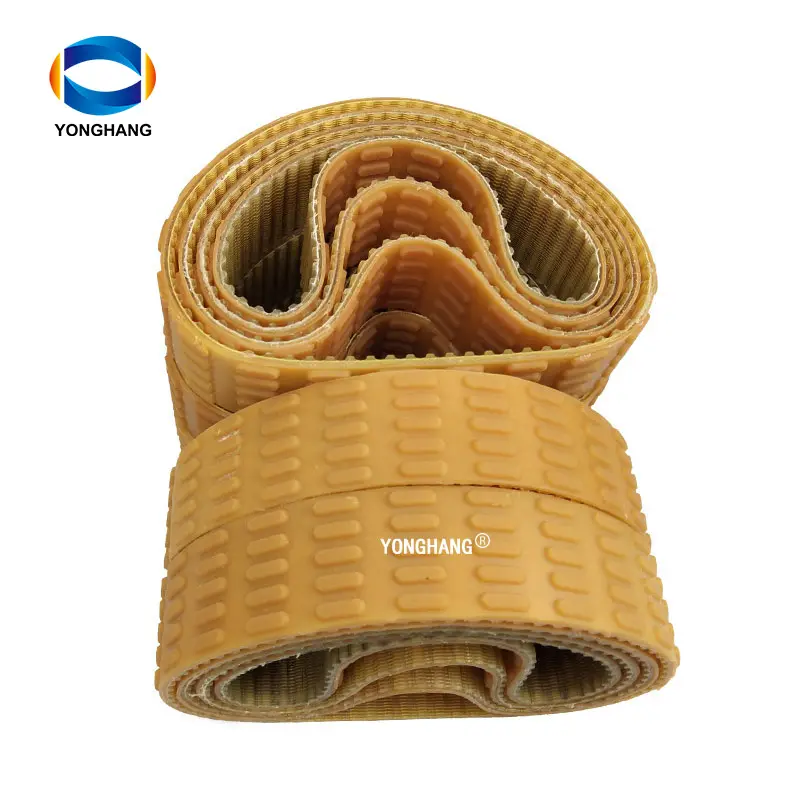
Funções Principais das Correias de Colheitadeira de Linho em Condições Variáveis de Campo
Funcionalidade Mecânica: Tensão, Tração e Resistência à Fadiga do Material
As correias nas colhedoras de linho precisam permanecer suficientemente tensionadas para não deslizarem ao puxar os caules resistentes através da máquina. O que torna essas correias tão eficazes é a textura especial que agarra os caules exatamente como deve ser — segurando-os com firmeza sem amassar nada, mesmo quando a máquina está se movendo rapidamente, como acima de 5 quilômetros por hora. Essas correias também são construídas para durar, com borracha extra misturada e tecido entrelaçado em toda a sua estrutura. Essa combinação resiste melhor ao movimento contínuo de ida e volta em torno das polias e rolos. Os agricultores já testaram esse material em campos reais e descobriram que correias feitas com múltiplas camadas conseguem suportar cerca de 15 por cento mais flexões antes de se romperem, comparadas às versões simples de camada única. Isso é muito importante em áreas onde o linho cresce denso, às vezes com mais de 200 plantas por metro quadrado, porque a correia é constantemente dobrada e torcida enquanto se move pela lavoura.
Desempenho sob Estresse de Umidade: Vida Útil da Correia em Condições de Colmo Úmido versus Seco (Ensaios de Campo, 2022–2023)
A quantidade de umidade presente tem um grande efeito na durabilidade das correias, algo que observamos claramente durante testes de campo entre 2022 e 2023 em campos de linho na Europa. Quando as correias foram usadas em locais com muita umidade (umidade no caule superior a 18%), elas desgastaram cerca de 30 por cento mais rapidamente em comparação com condições secas (umidade inferior a 10%). Caules úmidos aumentam os níveis de atrito em aproximadamente 40%, o que acelera o desgaste das superfícies. Por outro lado, a colheita em condições secas gera diversos tipos de poeira abrasiva que penetram no material da correia, fazendo com que ela perca aderência ao longo do tempo. Após cerca de 200 horas de operação, a eficiência de aderência diminui cerca de um quarto. Algumas correias feitas com misturas poliméricas especiais repelentes à água, no entanto, lidaram muito melhor com condições úmidas. Esses materiais impediram a absorção de água e evitaram a degradação por microrganismos, fazendo com que essas correias durem cerca de metade do tempo novamente em condições úmidas.
Adaptação à Arquitetura da Cultura: Queda de Plantas, Diâmetro do Caule e Densidade da Cultura
Otimização da Eficiência de Tração: Passo da Correia e Textura da Superfície em Diferentes Diâmetros de Caule (0,8–2,4 mm)
Obter o projeto certo para correias de colheitadeiras de linho é realmente importante ao lidar com todos os tipos de tamanhos de caule. Ao trabalhar com caules mais finos abaixo de 1,2 mm, as correias precisam de medidas de passo fino em torno de 8 mm ou menos. A superfície deve ter texturas minúsculas também, o que ajuda a evitar escorregões e danos aos caules delicados. Por outro lado, caules mais grossos entre 1,8 e 2,4 mm exigem um tratamento completamente diferente. Aqui observamos passos de correia mais grossos variando de 10 a 12 mm combinados com padrões salientes fortes que realmente garantem melhor aderência. Agricultores que testaram essas correias com passo ajustável relataram resultados bastante impressionantes. Eles notaram um aumento de cerca de 18 a 22 por cento na eficiência com que a máquina puxa as plantas. O que é ainda mais interessante é que os restolhos deixados no campo diminuíram drasticamente de aproximadamente 9% para apenas 3% ao colher campos onde os tamanhos dos caules variavam bastante.
Estudo de Caso: Desempenho Adaptativo de Correias em Campos de Linho com Baixo e Alto Acamamento
Testes de campo realizados em 2023 em condições severas de acamamento, onde mais de 40% das culturas estavam inclinadas pelo menos 45 graus, forneceram lições valiosas sobre o design de correias. Correias híbridas feitas de materiais compostos de cordão de borracha com padrões de dentes irregulares mantiveram cerca de 94% dos colmos intactos, comparado à taxa de retenção de apenas cerca de 78% observada com correias comuns. Ao analisar campos com problemas de acamamento menos graves (ângulo de inclinação inferior a 15 graus), correias planas simples funcionaram igualmente bem, mas duraram significativamente mais, apresentando cerca de 30% de redução no desgaste durante a operação. O que realmente se mostrou mais importante foi a medição do coeficiente de aderência. Para essas culturas acamadas difíceis, qualquer valor abaixo de 0,85 implicava perdas significativas de colmos. Isso não era apenas teoria; testes extensivos ao longo de 120 ciclos completos de colheita confirmaram consistentemente esses resultados.
Correias para Colheitadeiras de Linho em Sistemas Traçadores vs. Combine: Exigências Divergentes, Soluções Convergentes
Diferenças no Perfil de Carga: Tração Contínua (Tração) vs. Alimentação Intermitente com Moagem (Colheitadeira)
As correias usadas nas colhedoras de linho enfrentam na verdade tipos muito diferentes de desgaste, dependendo se fazem parte de um sistema puxador ou de uma colheitadeira combinada. Os sistemas puxadores precisam manter uma tensão constante durante todo o dia apenas para extrair os talos inteiros do linho do solo, por isso essas correias devem ser projetadas para oferecer aderência duradoura e resistência à elongação que suporte a pressão constante. As correias das colheitadeiras contam uma história completamente diferente. Elas sofrem impactos regularmente durante o processo de debulha e precisam realmente resistir a choques e abrasões sem falhar. De acordo com observações de campo, as correias dos sistemas puxadores normalmente suportam cerca de 30% mais tensão consistente ao longo de seu ciclo operacional. Enquanto isso, as correias das colheitadeiras enfrentam aproximadamente metade a mais de picos súbitos de estresse ao mover materiais através da máquina. Por causa dessas diferenças, os fabricantes também adotam abordagens distintas quanto aos materiais das correias. Para sistemas puxadores, costumam utilizar misturas poliméricas de alta resistência à tração. Já as correias das colheitadeiras geralmente possuem reforço extra entrelaçado para distribuir melhor as forças de impacto sobre toda a superfície da correia.
Tendência de Inovação: Design Híbrido de Correias para Colheita em Duplo Modo
Fabricantes líderes agora desenvolvem correias híbridas para colheitadeiras de linho que equilibram as demandas de puxador-combinado por meio de:
- Reforço multizona: fibras longitudinais de alta resistência para estabilidade na tração, combinadas com camadas absorvedoras de choque na direção transversal
- Compostos de dureza variável: seções centrais mais rígidas para melhor aderência ao colmo, flanqueadas por bordas mais macias para reduzir danos às sementes durante a debulha
- Compósitos leves substituindo a borracha tradicional – reduzindo o consumo energético em 15–20% enquanto prolongam a vida útil operacional
Ensaios recentes mostram que as correias híbridas reduzem a quebra de colmos em 22% no modo puxador e diminuem a perda de grãos em 18% nas combinadas – demonstrando como a ciência dos materiais converte necessidades operacionais divergentes em soluções unificadas.
Equilibrando Durabilidade e Integridade da Cultura: O Paradoxo das Correias de Alta Resistência em Culturas Derrubadas
O desafio para correias colhedoras de linhaça de alta resistência à tração reside nesse delicado equilíbrio entre durabilidade e proteção da própria colheita, especialmente em campos de linhaça derrubados após mau tempo. Ao aumentar a resistência à tração, é verdade que se reduz o estiramento e rompimento das correias quando a carga é pesada, mas há uma contrapartida. Materiais mais rígidos tendem a esmagar esses caules delicados, especialmente evidente quando as plantas estão caídas devido à chuva ou vento. Testes de campo indicam que correias com resistência superior a 200 N/mm reduzem cerca de 12% a quebra de caules em plantas eretas comparadas aos modelos convencionais, embora causem quase 30% mais danos às fibras quando as plantas estão deitadas no solo. Agricultores que enfrentam esses problemas precisam de algo melhor, razão pela qual estamos vendo surgir novas abordagens. Correias de polímero compósito com zonas de flexibilidade diferenciadas funcionam bastante bem. As bordas permanecem suficientemente resistentes durante trações laterais, enquanto as partes centrais flexionam levemente para absorver impactos. Esses modelos mais recentes duram cerca de 40% mais no campo sem comprometer a qualidade da fibra, tornando-os uma opção válida para situações difíceis de colheita.
Perguntas frequentes sobre correias para colheitadeiras de linho
Quais fatores afetam a vida útil das correias para colheitadeiras de linho?
A vida útil das correias para colheitadeiras de linho é influenciada por fatores como teor de umidade dos talos, condições do campo, propriedades dos materiais das correias e níveis de tensão operacional durante a colheita.
Como os níveis de umidade impactam as correias para colheitadeiras de linho?
Altos níveis de umidade aumentam a fricção e o desgaste, reduzindo a vida útil das correias, enquanto condições secas podem provocar danos abrasivos.
Existem correias especializadas para diferentes diâmetros de talo?
Sim, as correias são projetadas com passos e texturas de superfície variados para lidar eficazmente com diferentes diâmetros de talo.
Quais são as diferenças entre as correias para despalhadoras e para colheitadeiras combinadas?
As correias para despalhadoras exigem tensão e aderência constantes para operação contínua, enquanto as correias para colheitadeiras combinadas precisam resistir ao impacto e à abrasão provocados pela debulha.
Como os designs híbridos de correias beneficiam a colheita em modo duplo?
As correias híbridas oferecem reforço multizona e compostos de dureza variável para atender eficientemente às demandas dos sistemas puller e combine.
Sumário
- Funções Principais das Correias de Colheitadeira de Linho em Condições Variáveis de Campo
- Adaptação à Arquitetura da Cultura: Queda de Plantas, Diâmetro do Caule e Densidade da Cultura
- Correias para Colheitadeiras de Linho em Sistemas Traçadores vs. Combine: Exigências Divergentes, Soluções Convergentes
- Equilibrando Durabilidade e Integridade da Cultura: O Paradoxo das Correias de Alta Resistência em Culturas Derrubadas
-
Perguntas frequentes sobre correias para colheitadeiras de linho
- Quais fatores afetam a vida útil das correias para colheitadeiras de linho?
- Como os níveis de umidade impactam as correias para colheitadeiras de linho?
- Existem correias especializadas para diferentes diâmetros de talo?
- Quais são as diferenças entre as correias para despalhadoras e para colheitadeiras combinadas?
- Como os designs híbridos de correias beneficiam a colheita em modo duplo?