
 EN
EN
 AR
AR
 HR
HR
 DA
DA
 NL
NL
 FR
FR
 DE
DE
 EL
EL
 HI
HI
 IT
IT
 JA
JA
 KO
KO
 NO
NO
 PL
PL
 PT
PT
 RO
RO
 RU
RU
 ES
ES
 TL
TL
 IW
IW
 ID
ID
 SR
SR
 SK
SK
 UK
UK
 VI
VI
 TH
TH
 TR
TR
 AF
AF
 MS
MS
 IS
IS
 HY
HY
 AZ
AZ
 KA
KA
 BN
BN
 LA
LA
 MR
MR
 MY
MY
 KK
KK
 UZ
UZ
 KY
KY
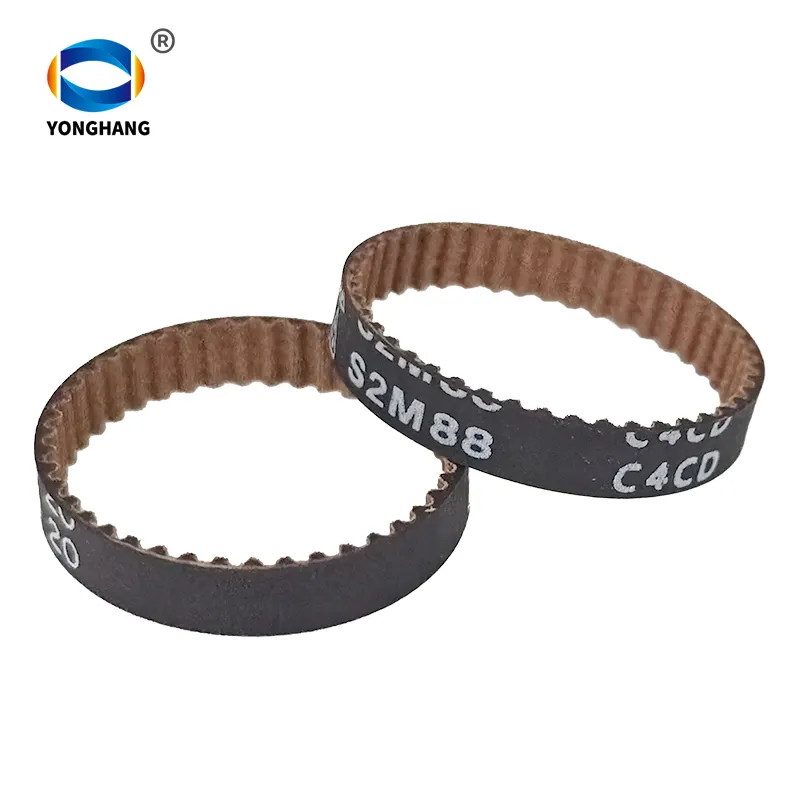
การติดตั้งและจัดแนวสายพานเครื่องเก็บเกี่ยวแฟลกซ์อย่างถูกต้อง
เหตุใดการจัดแนวไม่ตรงจึงเร่งให้สายพานสึกหรอเร็วขึ้นในสภาพการเก็บเกี่ยวแฟลกซ์
เมื่อสายพานเครื่องเก็บเกี่ยวแฟลกซ์ไม่อยู่ในแนวที่ถูกต้อง จะสึกหรอเร็วกว่าปกติประมาณ 40% เนื่องจากแรงเสียดทานสะสมอยู่เป็นหลักบริเวณขอบของสายพานและบริเวณที่สายพานถูกต่อกัน แท้จริงแล้วลำต้นของต้นแฟลกซ์มีซิลิกาอยู่ประมาณ 20% ซึ่งทำหน้าที่เป็นวัสดุขัดผิว ปัญหานี้จะรุนแรงยิ่งขึ้นเมื่อสายพานไม่เคลื่อนที่ตามแนวที่ควรเป็น ส่งผลให้เกิดจุดรับแรงเครียดเพิ่มเติม การกระจายแรงโหลดอย่างไม่สม่ำเสมอเช่นนี้นำไปสู่การสึกหรอแบบปลายลุ่ย (fraying) ตั้งแต่ระยะแรก และความล้มเหลวของโครงสร้างสายพาน ปัญหานี้จะเลวร้ายลงยิ่งกว่าเดิมในช่วงที่ความชื้นของวัสดุอยู่ระหว่าง 18% ถึง 28% เนื่องจากเส้นใยที่เปียกจะติดอยู่กับรอก ส่งผลให้เกิดการลื่นไถลมากขึ้น งานวิจัยจากพื้นที่ปลูกแฟลกซ์หลายแห่งในยุโรปยังพบสิ่งที่น่าตกใจอีกด้วย คือ การเบี่ยงเบนจากแนวที่ถูกต้องเพียงแค่ครึ่งองศา ก็สามารถลดอายุการใช้งานของสายพานได้ประมาณ 300 ชั่วโมงการทำงาน ความสึกหรอในระดับนี้จึงทำให้การบำรุงรักษาเป็นประจำมีความจำเป็นอย่างยิ่งสำหรับผู้ปฏิบัติงานเครื่องจักรเหล่านี้
ขั้นตอนการจัดแนวอย่างเป็นระบบโดยใช้เครื่องมือเลเซอร์และมาตรวัดรอก
การจัดแนวแบบแม่นยำต้องอาศัยการตรวจสอบทีละขั้นตอนในระนาบสามระนาบ:
| จุดตรวจสอบ | เครื่องมือ | ค่าความคลาดเคลื่อนที่ยอมรับได้ |
|---|---|---|
| ความขนานในแนวนอน | ชุดอุปกรณ์จัดแนวด้วยเลเซอร์ | เบี่ยงเบน ± 0.3° |
| การสั่นของร่องล้อพัลเลย์ในแนวตั้ง | เข็มวัดแบบดิจิตอล | สั่นไม่เกิน 1 มม. |
| ความสอดคล้องของเส้นศูนย์กลาง | มาตรวัดร่องล้อพัลเลย์ | ±2 มม. ตลอดระยะทาง 10 ม. |
เริ่มต้นด้วยการปรับแรงตึงของสายพานให้อยู่ที่ประมาณ 120 นิวตันต่อตารางมิลลิเมตรในระหว่างการสอบเทียบ เมื่อทำการยึดชิ้นส่วนทั้งหมดให้แน่นแล้ว ตรวจสอบก่อนว่ารอกทั้งหมดจัดแนวตั้งฉากต่อกันอย่างถูกต้องหรือไม่ คราบเศษเส้นใยแฟลกซ์มักสะสมขึ้นตามระยะเวลา และอาจทำให้ความคลาดเคลื่อนเล็กน้อยที่มีอยู่เดิมแย่ลงอย่างมากเมื่อระบบเริ่มทำงาน หลังติดตั้งทุกอย่างเสร็จสิ้น ให้ทำการทดสอบแบบไม่มีภาระ (no-load tests) ที่ความเร็วต่างๆ เพื่อให้มั่นใจว่าสายพานเคลื่อนที่ตามแนวที่กำหนดอย่างถูกต้องโดยไม่เบี่ยงเบนออกจากเส้นทาง ตามข้อมูลล่าสุดจากผู้ผลิตเครื่องจักรรายใหญ่ การใช้วิธีนี้แทนการจัดแนวแบบดั้งเดิมด้วยมือจะช่วยลดความเสียหายที่ขอบสายพานลงได้ประมาณสองในสาม สิ่งค้นพบเหล่านี้ปรากฏอยู่ในแนวทางปฏิบัติ CBM Connect ฉบับล่าสุดปี 2023 ซึ่งครอบคลุมทุกด้านของการติดตั้งสายพานอย่างเหมาะสม โดยเฉพาะอย่างยิ่งการจัดแนวรอก (sheaves) และรอก (pulleys) ให้สอดคล้องกัน
การจัดการแรงตึงอย่างเหมาะสมสำหรับสายพานเครื่องเก็บเกี่ยวแฟลกซ์
ความต้องการแรงตึงแบบไดนามิกตามระดับความชื้นของแฟลกซ์ (12–28% MC)
แรงตึงของสายพานจำเป็นต้องปรับเปลี่ยนตามระดับความชื้นของป่าน ซึ่งอาจแห้งหรือเปียกมากน้อยเพียงใด เมื่อเนื้อหาความชื้นอยู่ที่ประมาณร้อยละ 12 ลำต้นที่เปราะบางเหล่านี้จะต้องการแรงตึงลดลงประมาณร้อยละ 15 ถึงแม้กระทั่งร้อยละ 20 เพื่อป้องกันไม่ให้แตกหักระหว่างกระบวนการผลิต แต่เมื่อระดับความชื้นเพิ่มขึ้นถึงร้อยละ 28 สถานการณ์จะกลับกันโดยสิ้นเชิง ลำต้นจะมีความยืดหยุ่นมากขึ้น และแท้จริงแล้วต้องการแรงตึงเพิ่มขึ้นประมาณร้อยละ 25 เพื่อป้องกันไม่ให้หลุดลื่นออกจากสายพานภายใต้สภาวะแรงบิดสูง หากผู้ปฏิบัติงานลืมปรับค่าเหล่านี้ อุปกรณ์มักแสดงอาการสึกหรอเร็วกว่าปกติอย่างเห็นได้ชัด บางครั้งเร็วขึ้นถึงร้อยละสี่สิบ การปรับค่าแรงตึงใหม่ทุกวันจึงมีความสำคัญอย่างยิ่ง การปฏิบัติที่ดีคือการตรวจสอบระดับความชื้นด้วยเครื่องมือวัดความชื้นที่เหมาะสมทุกวัน เนื่องจากปรากฏการณ์ง่ายๆ เช่น น้ำค้างในตอนเช้าสามารถทำให้ระดับความชื้นของลำต้นเพิ่มขึ้นได้ประมาณแปดหน่วยภายในคืนเดียว ซึ่งจะส่งผลให้ค่าแรงตึงที่เราตั้งไว้อย่างพิถีพิถันก่อนหน้านี้เสียสมดุลทั้งหมด
มาตรวัดแรงตึงแบบดิจิทัล เทียบกับการทดสอบการเบี่ยงเบน: การเปรียบเทียบความแม่นยำในการใช้งานจริง
เครื่องวัดแรงตึงแบบดิจิทัลให้ผลลัพธ์ที่เหนือกว่าการทดสอบการเบี่ยงเบนแบบดั้งเดิมในสภาวะสนามที่เปลี่ยนแปลงได้:
- ความแม่นยำ : ค่าความแม่นยำ ±2% เทียบกับความแปรปรวน ±15% ของการวัดแบบเบี่ยงเบนด้วยมือ
- ความเร็ว : ผลลัพธ์แบบเรียลไทม์ภายใน 3 วินาที เทียบกับ 45 วินาทีขึ้นไปต่อการวัดหนึ่งครั้ง
- ความต้านทานต่อสิ่งแวดล้อม : การชดเชยอุณหภูมิในตัวรักษาความน่าเชื่อถือไว้ได้แม้ในสภาพแวดล้อมที่มีฝุ่นหรือความชื้นสูง ซึ่งวิธีการวัดการเบี่ยงเบนมักให้ผลไม่เสถียร
แม้ว่าการทดสอบการเบี่ยงเบนจะไม่ต้องใช้พลังงานและมีต้นทุนต่ำกว่า 80% แต่ระบบดิจิทัลสามารถยืดอายุการใช้งานของสายพานได้เพิ่มขึ้น 30% ภายใต้สภาวะที่ความชื้นเปลี่ยนแปลงอย่างรวดเร็ว — จึงคุ้มค่าที่จะนำมาใช้ในปฏิบัติการสำคัญ เช่น การเก็บเกี่ยวแฟลกซ์
การตรวจสอบเชิงรุกและการตรวจจับความเสียหายของสายพานเครื่องเก็บเกี่ยวแฟลกซ์ตั้งแต่ระยะแรก
รายการตรวจสอบความสมบูรณ์ของการต่อปลาย (Splice) และการลอกของขอบสายพาน 7 ข้อสำหรับใช้ในสนาม
การตรวจสอบก่อนเริ่มกะอย่างเป็นระบบช่วยป้องกันความล้มเหลวอย่างรุนแรงระหว่างช่วงเก็บเกี่ยวสูงสุด โปรดใช้รายการตรวจสอบที่ผ่านการรับรองแล้วนี้:
- การตรวจสอบความตรงแนวของการต่อปลาย (Splice Alignment Verification) : วัดช่องว่างที่เบี่ยงเบนเกิน 3 มม. บริเวณรอยต่อที่ทับซ้อนกัน โดยใช้คาลิเปอร์
- ความลึกของขอบที่เปื่อย : ตรวจสอบการแยกตัวของเส้นใยที่ขอบสายพานเกิน 5 มม. โดยใช้เครื่องวัดความลึก
- การเปิดเผยชั้นเสริมแรง : ตรวจสอบหาเส้นด้ายหรือผ้าเสริมแรงที่มองเห็นได้ผ่านยาง
- การทดสอบความยืดหยุ่นของรอยต่อแบบขวาง : ใช้แรงกดด้วยมือเพื่อตรวจจับความแข็งผิดปกติ (แรงต้านเพิ่มขึ้นมากกว่า 30%)
- รอยแตกตามแนวยาว : บันทึกรอยแตกที่มีความยาวเกิน 25 มม. ใกล้บริเวณรอยต่อ
- การแทรกซึมของสิ่งปนเปื้อน : ใช้เครื่องมือเจาะตรวจสอบก้านแฟลกซ์ที่ฝังอยู่ซึ่งทำให้เกิดการหลุดลอกภายใน
- ความสม่ำเสมอของความกว้าง : ติดตามการเบี่ยงเบนของขอบสายพานเกิน ±2% จากระบุค่าเริ่มต้น
ช่างเทคนิคภาคสนามที่ใช้แนวทางนี้ลดเวลาหยุดทำงานโดยไม่ได้วางแผนล่วงหน้าลงได้ 68% ในการทดลองปี 2023 การตรวจจับความเสียหายเล็กน้อยที่ขอบสายพานแต่เนิ่นๆ ทำให้สามารถซ่อมแซมในสถานที่ได้ ซึ่งช่วยยืดอายุการใช้งานออกไปอีก 3–5 ฤดูกาล ควรจัดเก็บบันทึกดิจิทัลพร้อมภาพถ่ายที่ระบุเวลาอย่างชัดเจน เพื่อวิเคราะห์แนวโน้มการเสื่อมสภาพตลอดรอบการเก็บเกี่ยว
กลยุทธ์ที่มีประสิทธิภาพสำหรับการซ่อมแซมและเปลี่ยนสายพานเครื่องเก็บเกี่ยวแฟลกซ์
การต่อเชื่อมแบบเย็น (Cold-Vulcanizing) เทียบกับการร้อยแบบกลไก (Mechanical Lacing): ข้อมูลเชิงลึกด้านความทนทานจากการทดลองภาคสนาม
สายพานเก็บเกี่ยวแฟลกซ์ที่ใช้งานในสภาพแวดล้อมที่มีเศษวัสดุสะสมมากจะได้รับประโยชน์อย่างมากจากการใช้เทคนิคการบ่มเย็น (cold vulcanizing) กระบวนการนี้แท้จริงแล้วเชื่อมบริเวณที่เสียหายเข้าด้วยกันผ่านกาวโพลิเมอร์พิเศษ ซึ่งจะแข็งตัวเมื่อได้รับแรงกด วิธีนี้สามารถแก้ไขปัญหาได้โดยไม่ก่อให้เกิดจุดอ่อนเหมือนที่พบบ่อยในวิธีการซ่อมแซมอื่นๆ การทดสอบในแปลงจริงแสดงให้เห็นผลลัพธ์ที่น่าประทับใจอย่างยิ่งเกี่ยวกับการซ่อมแบบบ่มเย็นดังกล่าว โดยการซ่อมแบบนี้มีอายุการใช้งานยาวนานขึ้นประมาณ 60% ก่อนจะเริ่มแสดงอาการล้าจากการโค้งงอ เมื่อเปรียบเทียบกับวิธีการยึดด้วยตะขอโลหะแบบดั้งเดิม (mechanical lacing) และยังไม่ควรลืมพิจารณากรณีที่มีการเพิ่มภาระอย่างฉับพลันอีกด้วย วิธีการยึดด้วยตะขอโลหะมักทำให้แรงเครียดทั้งหมดสะสมอยู่ที่ตัวยึดโลหะ จึงส่งผลให้เกิดความล้มเหลวบ่อยขึ้นถึง 45% เมื่อเทียบกับการซ่อมแบบบ่มเย็นที่ดำเนินการอย่างเหมาะสม
การร้อยสายพานแบบกลไกยังคงมีประโยชน์อยู่ในการซ่อมแซมฉุกเฉินภาคสนาม เมื่อความจำเป็นในการนำระบบกลับมาใช้งานได้โดยเร็วที่สุดคือสิ่งสำคัญที่สุด แต่โปรดทราบว่าระบบนี้ต้องปรับแรงตึงทุกหนึ่งปี และโดยทั่วไปแล้วจะมีอายุการใช้งานสั้นกว่าทางเลือกอื่นๆ สำหรับสายพานหลักและชิ้นส่วนที่อยู่ภายใต้แรงเครียดอย่างต่อเนื่อง? การต่อกาวเย็น (Cold vulcanizing) มักเป็นวิธีที่นิยมใช้มากที่สุดในการดำเนินงานประจำวัน เมื่อสายพานสึกหรอจนเหลือความหนาเพียงประมาณ 30% ของค่าเดิม การลงทุนซ่อมแซมก็ไม่คุ้มค่าอีกต่อไปแล้ว ขณะเดียวกัน ความปลอดภัยก็กลายเป็นประเด็นที่น่ากังวลมากขึ้นด้วย อย่างไรก็ตาม การตรวจสอบแรงตึงของรอยต่อ (splice tension) ทุกเดือนด้วยเครื่องมือดิจิทัลนั้นเป็นแนวทางที่สมเหตุสมผล เพราะสามารถตรวจจับปัญหาตั้งแต่ระยะแรกก่อนที่จะลุกลามเป็นหายนะ และช่วยให้ระบบทำงานได้อย่างราบรื่นอย่างต่อเนื่องในระยะยาว
ส่วน FAQ
เหตุใดการจัดแนวอย่างแม่นยำจึงมีความสำคัญต่อสายพานเครื่องเก็บเกี่ยวแฟลกซ์?
การจัดแนวอย่างแม่นยำช่วยป้องกันการสึกหรอและการเสียหายก่อนวัยอันควร ลดความเสี่ยงต่อการขาดของสายพาน และยืดอายุการใช้งานของสายพาน โดยการรับประกันว่าแรงโหลดจะกระจายอย่างสม่ำเสมอ และลดจุดที่เกิดความเครียดสูงสุด
ความชื้นส่งผลต่อแรงตึงของสายพานอย่างไร?
ความชื้นส่งผลต่อความยืดหยุ่นของลำต้นแฟลกซ์ ความชื้นที่สูงขึ้นจำเป็นต้องเพิ่มแรงตึงเพื่อป้องกันการลื่นไถล ขณะที่ระดับความชื้นที่ต่ำลงจำเป็นต้องลดแรงตึงเพื่อหลีกเลี่ยงการแตกร้าวของลำต้นระหว่างกระบวนการแปรรูป
การใช้เครื่องวัดแรงตึงแบบดิจิทัลมีข้อดีอะไรบ้าง?
เครื่องวัดแรงตึงแบบดิจิทัลให้ความแม่นยำสูง การวัดได้อย่างรวดเร็ว และทนทานต่อสภาพแวดล้อมที่ท้าทาย ทำให้อายุการใช้งานของสายพานยาวนานขึ้นและสามารถจัดการแรงตึงได้อย่างเชื่อถือได้
ควรเปลี่ยนสายพานแทนที่จะซ่อมเมื่อใด?
หากสายพานสึกหรอจนเหลือขนาดน้อยกว่า 30% ของขนาดเดิม การเปลี่ยนสายพานใหม่จะคุ้มค่าทางต้นทุนและปลอดภัยกว่าการซ่อมต่อไป