
 EN
EN
 AR
AR
 HR
HR
 DA
DA
 NL
NL
 FR
FR
 DE
DE EL
EL
 HI
HI
 IT
IT JA
JA
 KO
KO
 NO
NO PL
PL PT
PT RO
RO
 RU
RU
 ES
ES
 TL
TL
 IW
IW
 ID
ID
 SR
SR
 SK
SK
 UK
UK VI
VI
 TH
TH
 TR
TR
 AF
AF
 MS
MS
 IS
IS
 HY
HY
 AZ
AZ
 KA
KA
 BN
BN
 LA
LA
 MR
MR
 MY
MY
 KK
KK
 UZ
UZ
 KY
KY

Qingming-festivalen versus Halloween: Hvorfor skiller den østlige «åndefestivalen» seg fra den vestlige?
For utenlandske venner som ikke er kjent med kinesisk kultur kan uttrykkene «å hedre forfedrene» og «å brenne joss-papir» vekke tanker om den vestlige høytiden Halloween. I virkeligheten er imidlertid Kinas Qingming-festival og den vestlige Halloween grunnleggende ulike. La oss sammenligne de to for å hjelpe deg til å bedre forstå denne østasiatiske festivalen.
Ulike tidspunkter: vår mot høst
Qingming-festivalen: Tidlig i april hvert år, rett i midten av våren. Våren kommer tilbake til jorden, og alt kommer til live igjen, noe som symboliserer livets gjenfødelse.
Halloween: 31. oktober hvert år, på høyden av høsten. Høstblad faller, dagene blir kortere og nattene lengre, noe som skaper en stemning av mystikk og kulde.
Ulike stemninger: alvorlig mot festlig
Qingming-festivalen: Stemningen er alvorlig og ærefryktig. Folk ifører enkle, dempete klær og hylser sine avdøde i stillferdig overveielse. Selv om det finnes elementer av vårutflukter og fritidsaktiviteter, er den overordnede tonen en av innadretthet og takknemlighet.
Halloween: Stemningen er festlig og livlig. Folk kleder seg i detaljerte kostymer, og barn går dør-til-dør og sier «søppel eller godteri», med en tematikk som sentrerer seg om spennende opplevelser og underholdning.
Annet fokus: Egne forfedre mot alle ånder
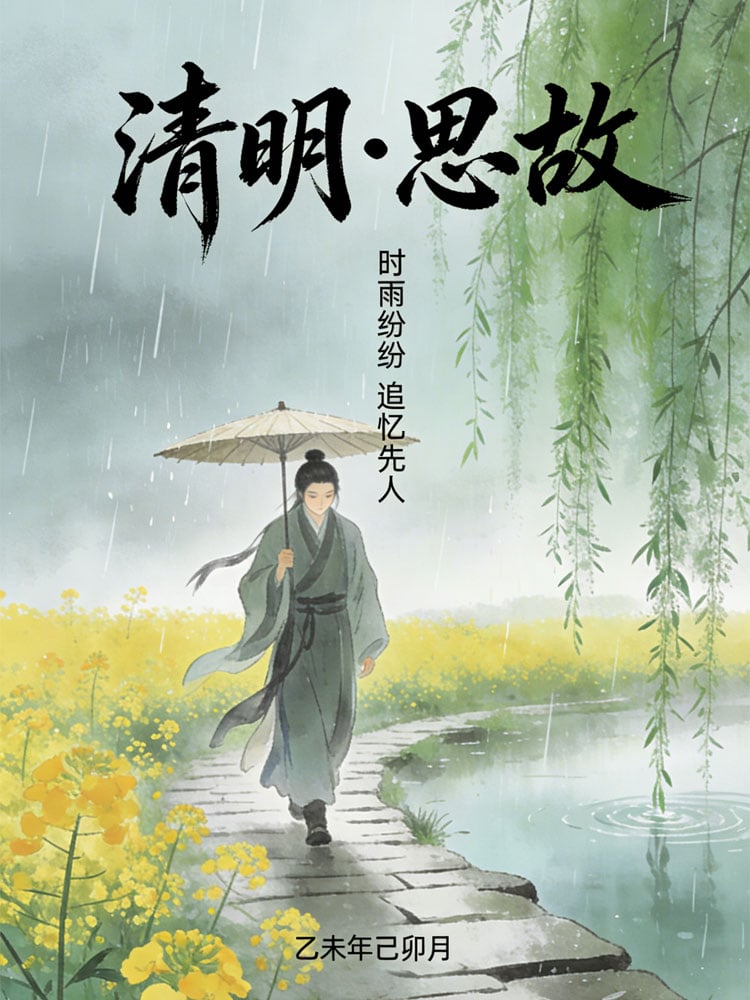
Qingming-festivalen: Objektene for tilbedelse er meget tydelige – éns egne forfedre og avdøde slektninger. Dette er en intern, privat og ærefryktig familietradisjon.
Halloween: Fokuset ligger på «alle vandrende ånder», uten noen slektskap. Det involverer mer fantasi og leken samtale om overnaturlige fenomener.
Annet formål: Takknemlighet og arv mot forkasting av onde ånder og underholdning
Qingming-festivalen: Den sentrale formålet er å uttrykke takk til forfedre, bevare familiehukommelsene og lære fremtidige generasjoner å «huske sine røtter». Dette representerer en kulturell kontinuitet.
Halloween: Opprinnelig fra den gamle keltiske Samhain-festivalen, trodde folk at sjeler på denne dagen returnerte til den fysiske verden, så de tent bål og bar skremmende masker for å drive bort onde ånder. I moderne tid har den utviklet seg til en ren underholdningsaktivitet.
Likheter: Begge handler om «liv og død»
Selv om de skiller seg sterkt fra hverandre, deler de to festivalene én felles egenskap: begge får folk til å reflektere over det evige temaet «liv og død».
Qingming-festivalen fremkaller refleksjon: Hvor kommer jeg fra? Hvem ga meg liv? Hvordan skal jeg verdsette nåtiden?
Halloween fremkaller refleksjon: Hva er død? Hvordan ser det evige liv ut? Hvordan skal vi møte det ukjente?
Tips til internasjonale venner
Hvis du bor eller jobber i Kina, er det noen få ting du bør tenke på under Qingming-festivalen:
Tung trafikk: Den tre dager lange Qingming-helgen er en toppreiseperiode for reiser i Kina, så det er best å reservere tog- og flybilletter i god tid.
Respektfulle minnepraksiser: Hvis du er nysgjerrig og ønsker å besøke en gravlund, vær da stille og respektfull. Tråkk ikke på andres gravplasser.
Prøv qingtuans: Hvis du får mulighet til å prøve qingtuans, må du absolutt gjøre det. De er den mest ikoniske matretten til Qingming-festivalen, med en unik og behagelig smak.
Forstå kinesiske følelser: Hvis dine kinesiske kolleger eller venner virker litt nedstemte under Qingming-festivalen, vær da forstående. De har kanskje nettopp hedret avdøde kjære.
