EN
EN
 AR
AR
 HR
HR
 DA
DA
 NL
NL
 FR
FR
 DE
DE EL
EL
 HI
HI
 IT
IT JA
JA
 KO
KO
 NO
NO PL
PL PT
PT RO
RO
 RU
RU
 ES
ES
 TL
TL
 IW
IW
 ID
ID
 SR
SR
 SK
SK
 UK
UK VI
VI
 TH
TH
 TR
TR
 AF
AF
 MS
MS
 IS
IS
 HY
HY
 AZ
AZ
 KA
KA
 BN
BN
 LA
LA
 MR
MR
 MY
MY
 KK
KK
 UZ
UZ
 KY
KY
Mandrilae Felti Resistentes Ad Temperaturas Altas | Manipulatio Aluminii Sicura Ad Calorem
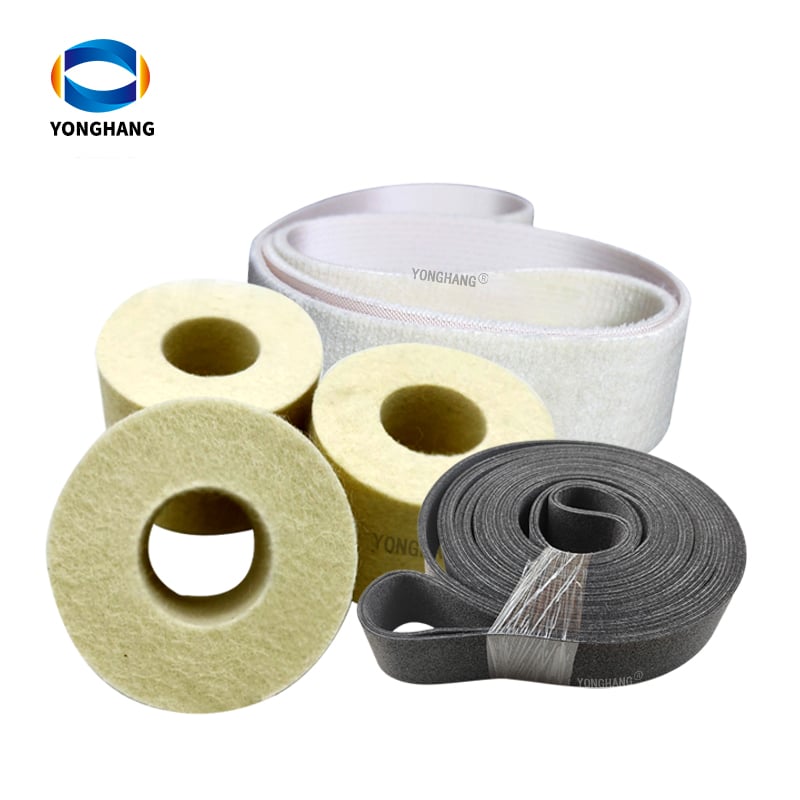
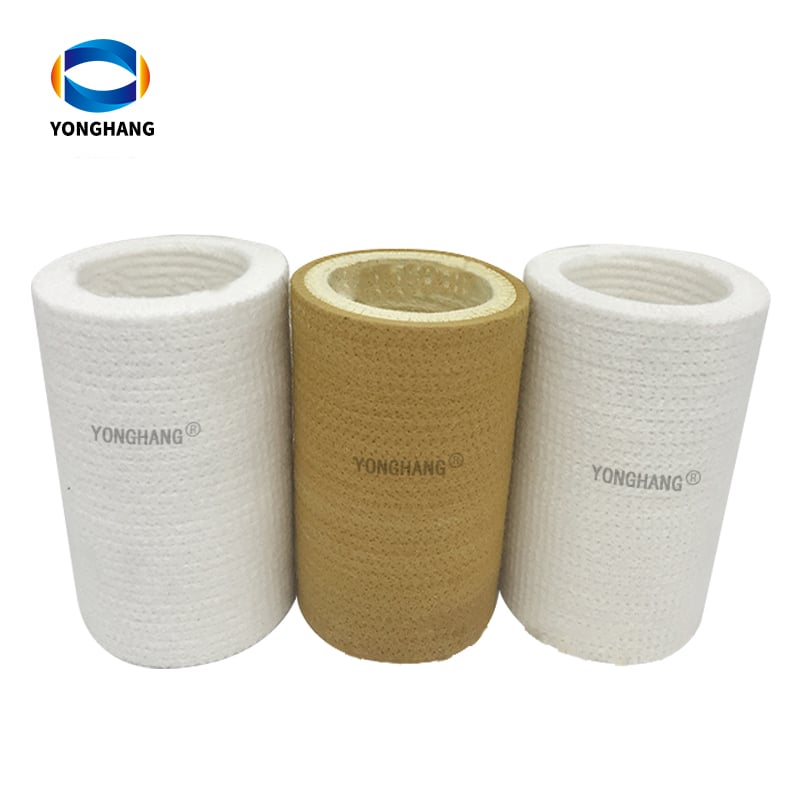
Industrialēs vellūtīnae rōtae tuniculae altīs temperātūrīs resistēntēs ad extrūsiōnem allūminīī et ad impressiōnem per trānsferrēndam cālōrem. Habentur in PBO (600°C), Kevlar (480°C) et Nomex (280°C). Constructiōnēs sine iunctūrīs ad trānsportum sine notīs et ad praestantem īnsulātiōnem thermālem. Magnitūdīnēs ad singulās tabulās frīgōris ad ūsum personālis.
- Introductio
Introductio
Praecise Fabricatae Tuniculae Cylindricae ex Felt ad Altas Temperaturas
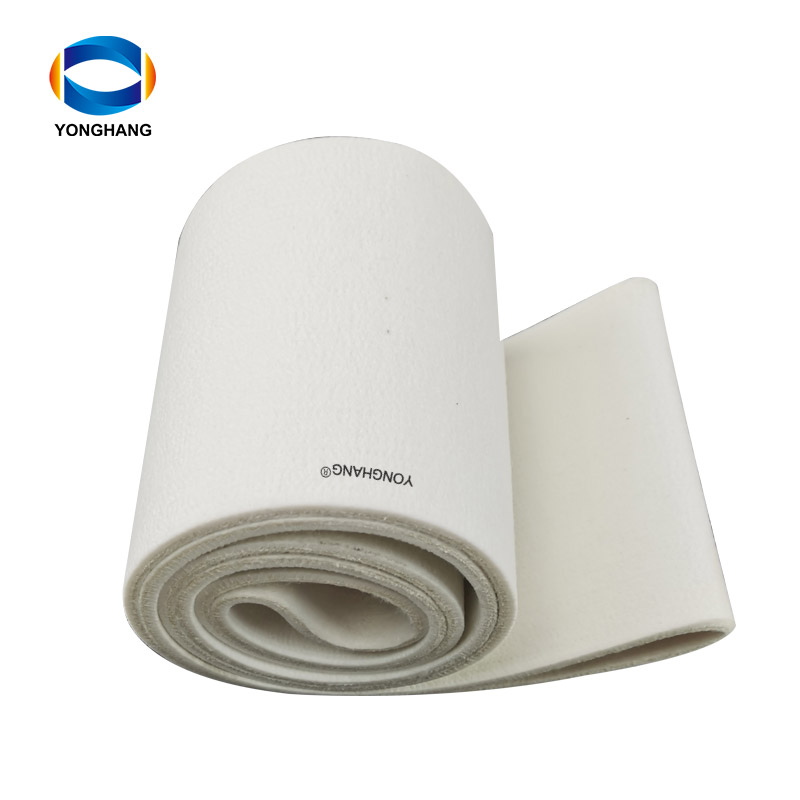
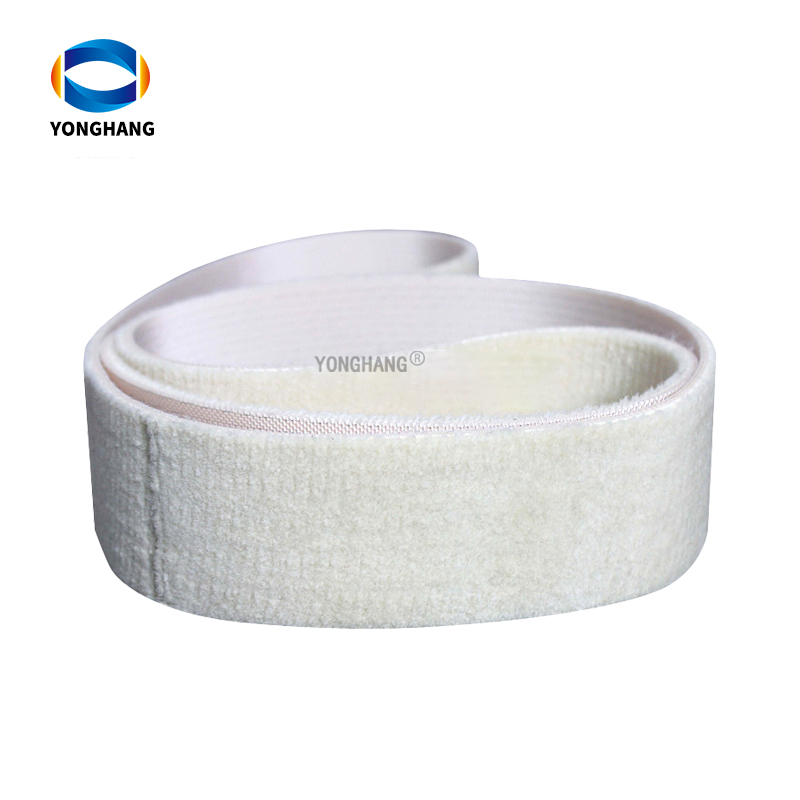
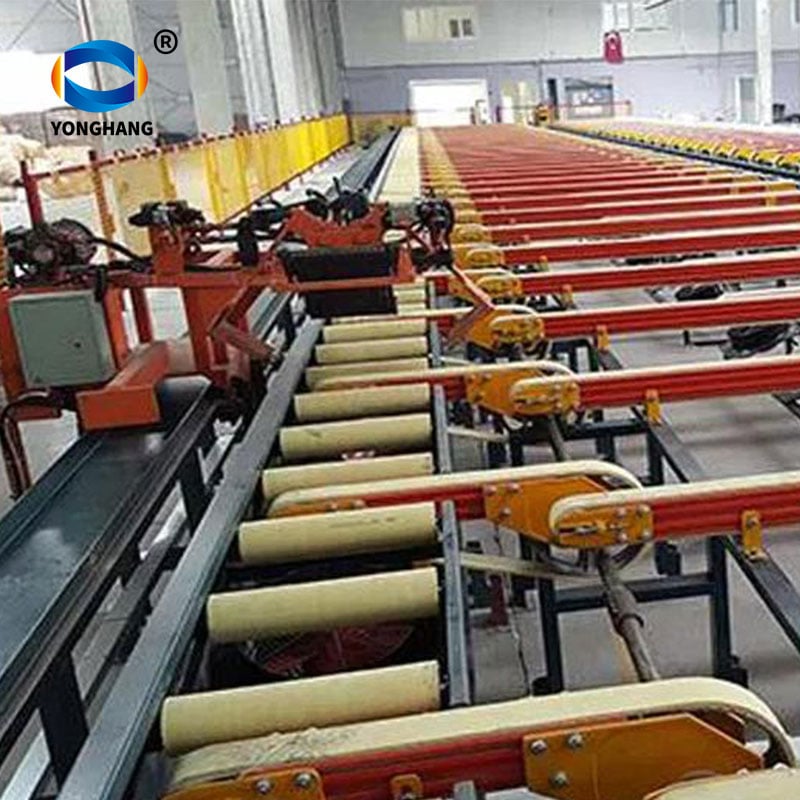
Speciatim confectae pro industria extrudendi alluminii et lineis processualibus ad calorem intensum , Tuniculae Cylindricae Yonghangbelt Resistentes Calori Supremam praebent protectionem superficierum delicatarum. Hae tuniculae in tabulis refrigerandi et in cylindris transportantibus utuntur, ut impediant «notas graphiticas» et abrasiones mechanicas in profilis nuper extrusis.
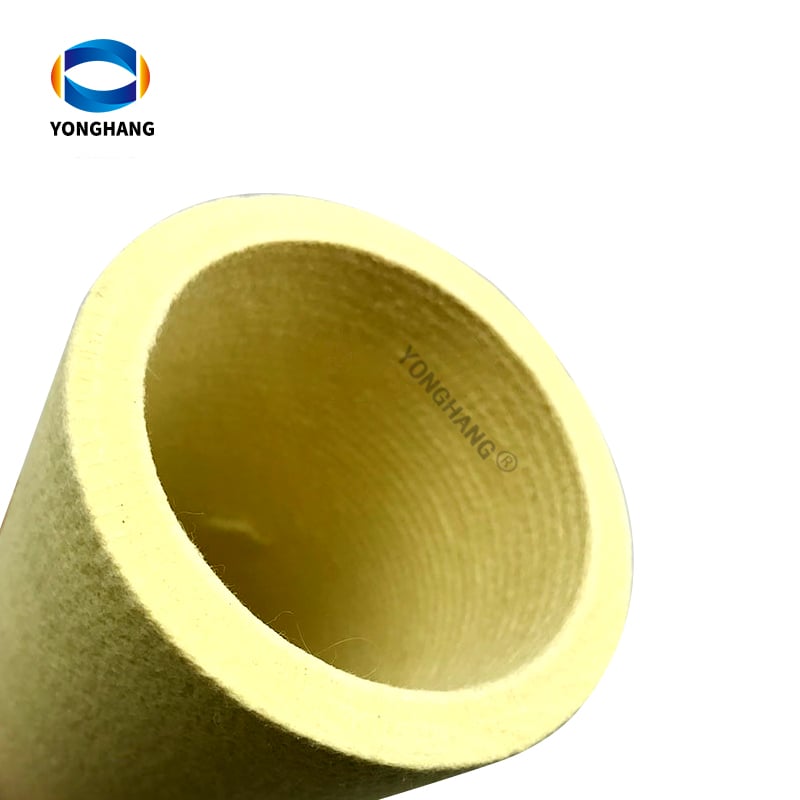
Tuniculae Yonghangbelt ex processu speciale acupuncturae fabricantur, ut structura sine iuncturis et altae densitatis efficiatur. Haec certificat distributionem uniformem caloris et altam stabilitatem dimensionalem sub extremo stress thermico.
Praecipua Praecepta:
Fabricatio sine suturis: Nullae iuncturae nec rimae quae rumpantur aut notae in vestris productis relinquant.
Exceptionales Limites Thermici: Disponibiles in pluribus gradibus materiae ad temperaturas sustinendas a 280°C usque ad 600°C.
Alta Densitas et Resistentia ad Usum: Densa structura acupuncturata resistentia praebet abrasiōnī ab acūtīs āluminī ōrdinibus, servitium vitae diūtātum multum augēns.
Resistentia ad chēmica et ōlea: Resistens plērīs lubrificāntibus industriālibus et chēmicīs quae in metallī tractātiōne utuntur.
Index selectionis materiae:
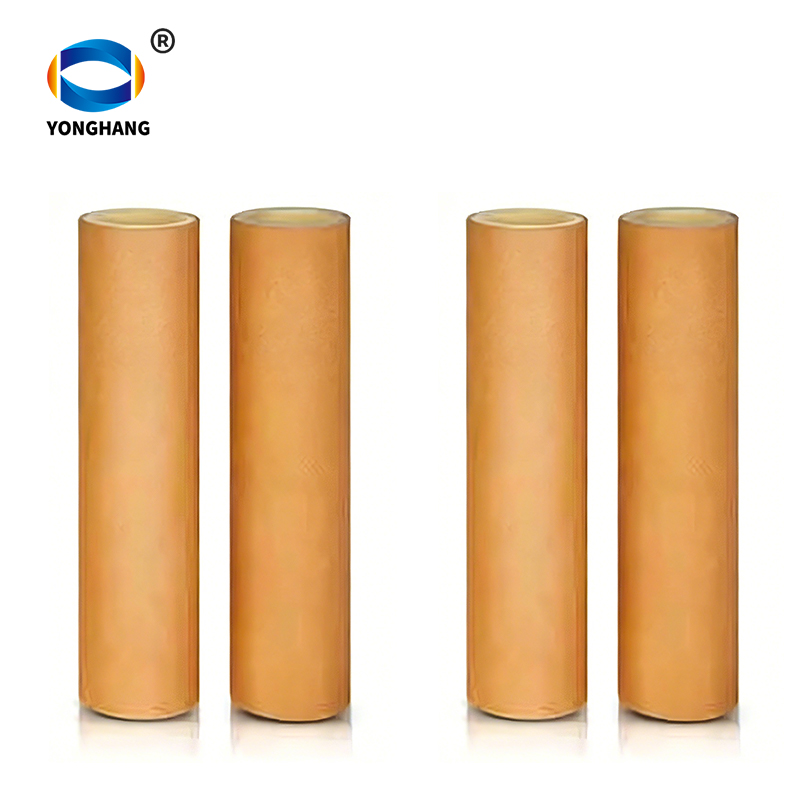
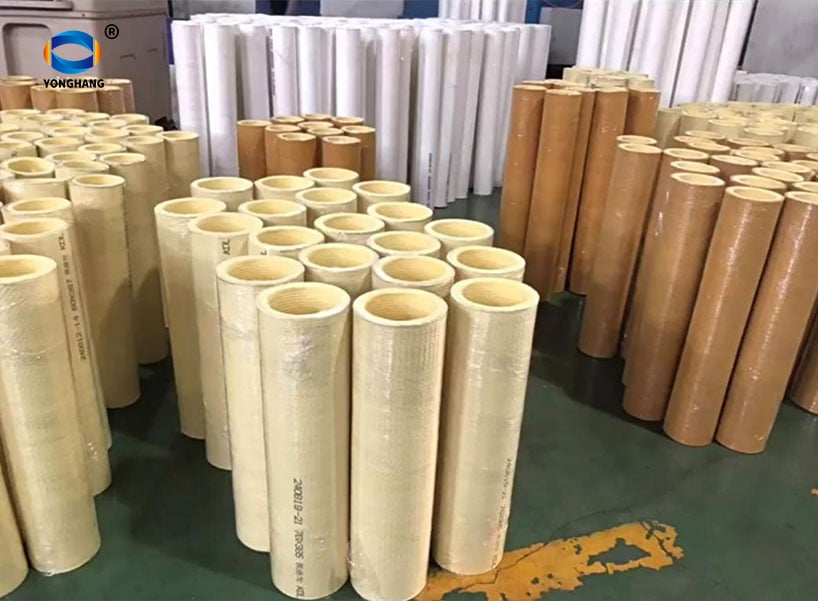
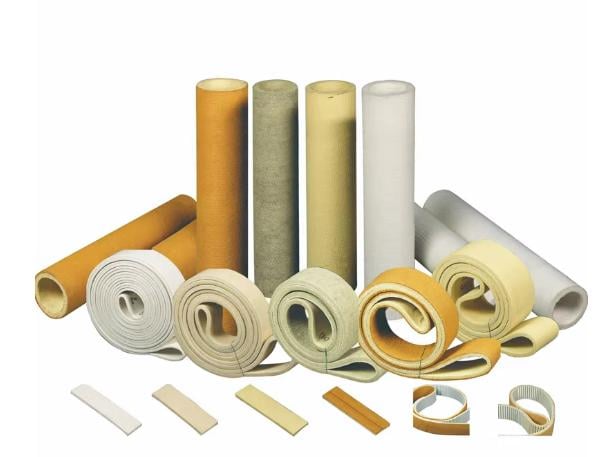
PBO (fulvus + flāvus): Ad prīmam dīmissiōnis fāsem (ultra-altā temperātūra usque ad 600°C ).
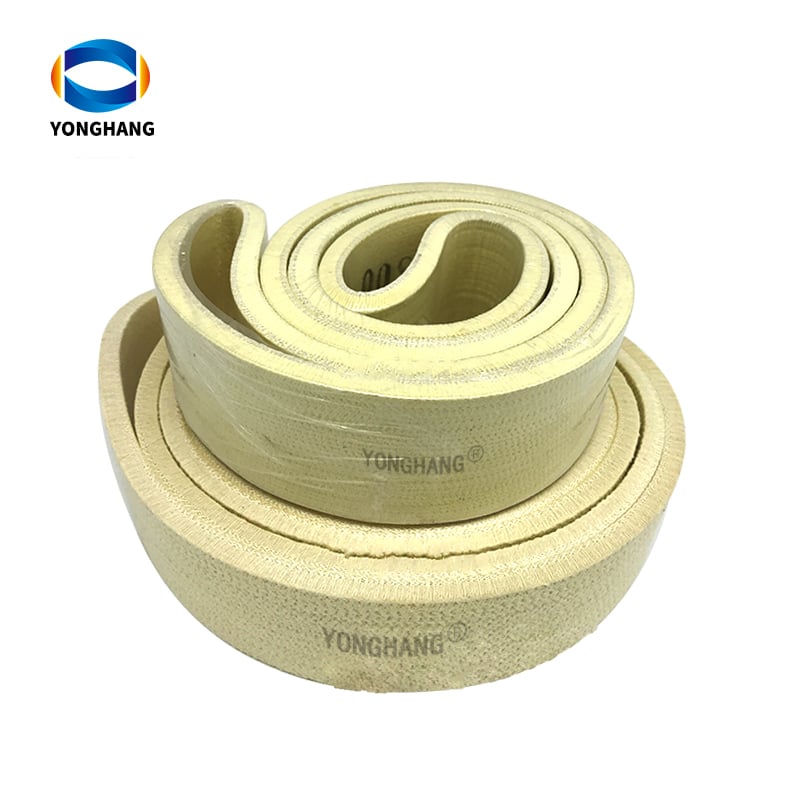
Kevlar (flāvus): Ad prīmam tabulam refrīgerātiōnis (alta temperātūra usque ad 480°C ).
Nomex (albus): Ad medium et postrēmum refrīgerātiōnis statum (mediocris temperātūra usque ad 280°C ).
Polyester (Albus): Ad refrigerationem finalem et ad impachetationem (temperatura humilis usque ad 180°C ).
| Characteristica | Specificatio |
| Optiones materiales | PBO, Kevlar (Aramidum), Nomex, Polyester |
| Temperatura maxima (brevi tempore) | 600°C (PBO), 480°C (Kevlar), 280°C (Nomex) |
| Diameter Interior (ID) | 20 mm – 165 mm (ad libitum) |
| Crassitudo parietis | 6 mm, 8 mm, 10 mm, 12 mm (normalis: 8 mm/10 mm) |
| Longitudo | 100 mm – 2500 mm (longitudines normales et ad libitum) |
| Duritia / densitas | Feltum altius densitatis (normalis: 400 g/mm²) |
| Codificatio Coloris | Fuscus/Flavus (PBO), Flavus (Kevlar), Albus (Nomex/Poly) |
💡 (Consilia ad Plantas ex Aluminium)
Electio Spissitudinis: Ad mensas refrigerationis onerosas, suademus spissitudinem parietis 10 mm . Felt spissior melius ammortit et impedit ne nucleus metallicus rotulae calorem nimis cito transferat.
Adaptatio Materialis ad Zonam: Noli ubique uti PBO; pretiosum est. Mappa zonas temperaturales mensae refrigerationis tuae et utere PBO → Kevlar → Nomex ordine ad optimizandum rationem pretii ad praestantiam.
Conservatio: Ut glazuram (ubi superficies felt efficitur dura et lucida) praevenias, cure ut rotulae libere volvantur et de tempore in tempus detrahas pulverem aut fragmenta aluminium cum scopa molli.
Product Applications
Industria Extrudendorum Aluminium:
Exitus Initialis: Profila aluminium recens extrusa valde calida sunt, ideo rotae PBO utendae sunt.
Tabula Egressus: Profila recens formatas transmittit.
Tabula Refrigerationis: Rotae pro lectis refrigerationis gradatim et per transfertum dispositis.
Distensor: Sectio ad tenendum et ad transmittendum.
Imprimitio Per Transfertem Calorem:
Rotae pressoriae in processu impressionis per transfertum caloris ad telas et laminas aluminium utendae.
Industria Vitrii:
Ad exitum fornacum temperandarum vitrii et in lineis transmittendarum ad vitium superficiei vitrii calidi impedendum utuntur.
Elaboratio Metallica Praecisa:
Transmissio materiarum sensibilium superficiei, ut laminarum ex aço inoxidabili et cupri.
Decem Praecepta Interrogationum Frequentissimarum (FAQ)
Interrogatio 1: Quae est maxima temperātūra quam vestrae manicae ex villo ferre possunt?
A:Tria principalia calōris genera praebēmus: PBO (600°C) ad locum primum effluendi, Kevlar (480°C) ad calefaciendī gradūs altōs frīgōrīs, et Nomex (280°C) ad medium atque postrēmum vehiculī trānsportis tempus.
Interrogatio 2: Num hae manicae sine sūtūra sunt? Frangēbunturne dum operantur?
A:Ita, manicæ nostræ praebent vere continuam constructionem acu perforatam . Absentia iunctionum impedit «notas» in profilis alluminii et praebet superiorem integritatem structuralem, ut cingulum non rumpatur nec dissocietur sub usu normali.
Q3: Quomodo eligere debetis diametrum interiorem (ID)?
A:Dare debetis verum diametrum exterius vostri rulli metallici. Plerumque idoneum est ID quod 1–2 mm minus sit quam rullus (aptatio intercurrentis). Hoc utitur naturali elasticitate feltrī ut adhaesio firma et immota in axis obtineatur.
Q4: Cur tantum stratum superficiale manicæ PBO est fusco/flavo?
A:Ut optimizetur ratio pretii ad praestantiam, utimur Structura sandwich PBO + Kevlar . Tantum stratum contactus utitutur pretiosam fibrām PBO (600°C), dum strata inferiora utuntur Kevlar (480°C). Hoc praebet necessariam resistentiam ad calorem dum pretium minuitur ultra 30%.
Q5: Num feltrum lanuginem generat aut superficiem alluminii contaminat?
A:Non. Feltum nostrum subicitur tractationi induranti altius densitatis. Fibrae arcte interse connexae sunt, ita ut valde resistentes ad attritionem et sine pilis sint, quae finem tuorum profilorum mundum et absque contaminantibus efficiunt.
Q6: Quae sunt crassitudines parietum normaliter adhibita? Possuntne ad desiderium meum variari?
A:Crassitudines normales nostrae sunt 6 mm, 8 mm, 10 mm, et 12 mm . Crassitudinem ad exactas tuas necessitates variare possumus; tamen 10 mm est norma industriae pro optima amortitione in extrusione alluminii.
Q7: Quae est aestimata duratio usus horum manicarum?
A:Duratio usus pendet a temperatura et frequentia attritionis. Sub condicionibus operativis normalibus in mensa refrigerante, manica Kevlar typice plus quam sex menses servitiam fidam praebet.
Q8: Adhucne tutum est uti, si superficies nigrascit aut durascit (carbonizatur)?
A:Levis obscuratio est normalis oxidatio. Si autem superficies fit "glacialis" (dura, friabilis, aut lucida), id significat materiam suum limitem thermicum excedisse. Statim substituenda est, ut abrasio superficiei aluminium evitetur.
Q9: Num exemplaria ad experimentum praebetis?
A:Ita. Primum sectionem exemplarem experiri suademus, ut aptitudo diametri internae et performantia thermalis ante ordinem magni voluminis comprobentur.
Q10: Num oleum in ambiente vim habet in feltem?
A:Quamquam feltes naturaliter resistunt plurimis oleis, absorptio nimia dissipatricem caloris minuit et coefficientem frictionis mutat. Ambientem quam maxime mundum servare suademus, ne fibrae oleo imbutae profila vestra notent.