
 EN
EN
 AR
AR
 HR
HR
 DA
DA
 NL
NL
 FR
FR
 DE
DE
 EL
EL
 HI
HI
 IT
IT
 JA
JA
 KO
KO
 NO
NO
 PL
PL
 PT
PT
 RO
RO
 RU
RU
 ES
ES
 TL
TL
 IW
IW
 ID
ID
 SR
SR
 SK
SK
 UK
UK
 VI
VI
 TH
TH
 TR
TR
 AF
AF
 MS
MS
 IS
IS
 HY
HY
 AZ
AZ
 KA
KA
 BN
BN
 LA
LA
 MR
MR
 MY
MY
 KK
KK
 UZ
UZ
 KY
KY
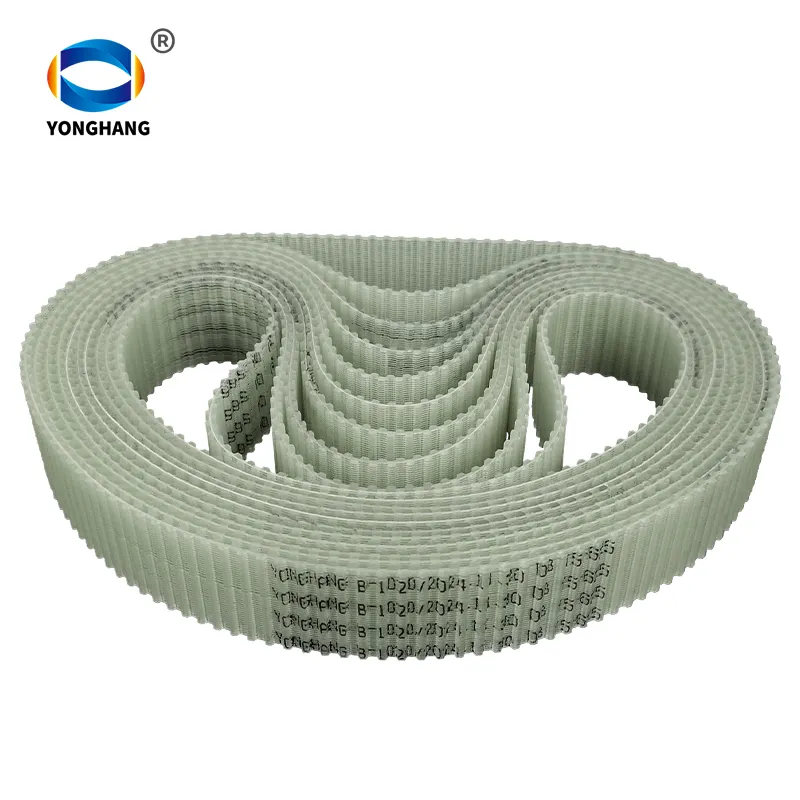
Tempus Inoperabile Vehementer Reductum cum Cingulo Zip-Link Sine Instrumentis Substituto
Quomodo coniunctio sine instrumento tempus mutationis cinguli usque ad 70% comparata cum cingulis vulcanizatis diminuit.
Substitutio cingulorum vulcanizatorum traditionalium plerumque significat instrumenta specialia emere, per processus curationis caloris procedere, et technicos certificatos arcessere qui productionem inter duas vel tres horas sistere possunt quotiescumque ea permutant. Sed systema interclusionis mechanicae hami et clavorum a Zip-Link patentatum omnia mutat. Non amplius opus est illis instrumentis artificiosis. Nec exspectatio temporum curationis. Simpliciter omnia coniungi et procede. Pleraque installationes minus quam quindecim minuta continua consumunt, quod sumptus laboris circiter octoginta quinque centesimis minuit comparatione cum methodis veteribus. Et tempus mutationis in toto etiam circa septuaginta centesimis reducitur. Iuncturae frictione clausae statim operantur cum installantur, ita corrugatores ad fasciculos productorum fere statim redire possunt. Quod olim magnum dolorem capitis erat, qui plures horas inoperabiles causabat, nunc tantum reparatio celeris viginti minutorum est, quae operationes leniter sine interruptione pergit.
Argumentum exempli: Linea corrugatorum Americae Septentrionalis 4.2 horas operationis productivae menstruis acquirit.
In magna officina sarcinarum in Ontario, Canada, operarii cingula vulcanizata traditionalia pro technologia Zip-Link in tribus celerrimis lineis conversionis mutaverunt. Resultatus mirabiles fuerunt - a mutatione cingularum octo vicibus in mense ad tantum bis decreverunt. Quod vere interest est has mutationes etiam multo minus temporis sumpsisse, a circiter nonaginta minutis ad paulo plus quam viginti delapsas. Hoc significat circiter quattuor horas additas singulis mensibus ubi machinae revera currunt loco otiosae. Cum negotium tempore occupato crescit, hoc in fabricatione circiter mille ducentis scatulis plus singulis horis quam antea transfertur. Turmae sustentationis fere tertiam partem in sumptibus laboris in toto conservaverunt, praeterea non iam pecuniam in apparatu vulcanizationis vel omnibus illis partibus specialibus quae cum eis veniunt expendere debuerunt. Omnibus qui cum operationibus corrugationis continuis versantur, huiusmodi emendationes ostendunt cur investitio in meliora systemata cingularum magnopere prosit cum ad vitandas illas frustrantes interclusiones improvisas quae lucra exhauriunt venit.
Integritas Cinguli Constans: Nullae Articulationes Debiles in Fasciculis Corrugatis Altae Tensionis
Effectus Interclusionis Mechanicae contra Suturas Vulcanizatas sub Onere Cyclico (Validatio ASTM D412)
Designatio cinguli Zip-Link loca illa debilia in suturis tollit per interclusiones mechanicas potius quam per vinculum chemicum. Secundum probationes secundum normas ASTM D412 anno proximo factas, hae commissurae speciales circiter 85% suae firmitatis pristinae retinent etiam post plus quam 50 milia cyclorum oneris cum sub tensionem quandam in corrugatoribus inventam ponunt. Suturae vulcanizatae regulares aliam fabulam narrant, quamquam firmitatem amittere incipiunt satis cito, ad circiter 40 ad 50% post tantum 15 milia cyclorum descendentes. Hoc eas multo magis propensas reddit ut subito disrumpantur cum res valde arctae fiunt in operationibus congeriendi. Quod significat in applicationibus realibus cingulum fideliter fungi a primo die per totam illam longam cursum ubi tensio cyclo post cyclum accumulatur.
Damnum Acervi Reductum Inter Fasciculationem et Palletizationem Celerem
Iuncturae sine instrumentis superficiem lenem et formam constantem habent, quae adiuvant ad vitandas illas molestas maculas pressionis quae margines scatularum conterere aut fistulas corrumpere possunt. Quaedam experimenta independenter facta invenerunt circiter 32 centesimis pauciores vitia productorum cum congeries fiebant celeritatibus supra 120 fasciculorum per minutum. Observatio vibrationum aliam quoque fabulam narrat. Interclusiones mechanicae revera minuunt illas vires acutas impactus circiter 41% comparatione cum cingulis vulcanizatis regularibus, quotiescumque cessatio necessaria est aut subito impetus in productione accidit. Hoc significat scatulas integras manere per totum processum, ab initiali fasciculatione usque ad ultimam acervum palletarum.
Vita Utilitatis Extensa in Ambitibus Corrugatis Difficilibus
Cum in illis asperis condicionibus conversionis, pulvere chartaceo, particulis minutis, et omni genere sordidum quae apparatum tempore corrodunt, plenis laboratur, cingulum Zip-Link revera circiter 32% diutius quam cinguli polyurethani regulares durat, secundum probationes factas sub normis ASTM D2228 de resistentia abrasionis. Quod hoc cingulum eminere facit est eius specialis stratum polymericum, quod melius resistit contra genus damni superficialis quod a continua frictione contra materias corrugatas causatur. Praeterea, tres emendationes specificae designi sunt quae adiuvant ad conservandam efficaciam etiam cum res in area productionis valde difficiles fiunt:
- Rigidiores firmati elongationem supprimere per fasciculationem altae tensionis, accumulationem caloris interni limitando et lassitudinem materiae differendo
- Obices particularum inclusae mechanismos iuncturarum contra ingressum pulveris obstruere, etiam in ambitu excedente 15,000 particulas aereas/ft³
- Catenae polymerorum reticulatae densitatem molecularem in superficie detrita augere, permittens plus quam 18,000 horas operationis ante substitutionem in probationibus fabricatorum praestantium
Haec diuturnitas vitae frequentiam substitutionis cinguli minuit et sumptus annuos sustentationis cinguli pertinentes mediocriter 28% in officinis magni voluminis deminuit.
Commodum Sumptus Totalis Possessionis pro Cingulo Zip-Link ad Industriam Cartonis Corrugati
Cingulum Zip Link societatibus verum commodum in sumptibus praebet, quia melius in tribus locis praecipuis operatur. Primo, mutationes multo celerius fiunt, tempus laboris et sumptus instrumentorum circiter 70% minuentes. Secundo, iuncturae melius durant, ita minus damni productorum et iacturae in vasis per operationes fiunt. Tertio, haec cingula etiam diutius durant, circiter 32% minus saepe substituenda sunt quam cingula regularia. Studia independentia invenerunt haec omnia ad circiter 22% conservationem in sumptibus totalibus per triennium pervenire. Fabricatoribus scatularum qui lineas suas sine intermissione die post diem operantur, hoc in multo maiorem tempus operationis machinarum, reductionem iacturae materiae, et auctum volumen productionis vertitur, dum adhuc idem gradus perfunctionis quem clientes exspectant servatur.
Frequenter Interrogata (FAQ)
Quid sunt cingula Zip-Link?
Cingula Zip-Link sunt genus cingulorum cum systemate interclusionis mechanicae hami et aciculi patente designato ad facilem et celerem institutionem sine necessitate instrumentorum specialium.
Quantum temporis servari potest cingulis Zip-Link utendo comparatis cingulis traditis?
Usus cingulorum Zip-Link tempus mutationis usque ad 70% reducere potest, sumptus laboris circiter 85% imminuens comparatione cum cingulis vulcanizatis traditis.
Quomodo cingula Zip-Link integritatem cingulae augent?
Cingula Zip-Link interclusionibus mechanicis utuntur ad loca infirmiora in suturis tollenda, circiter 85% firmitatis suae originalis retinentes etiam post longos cyclos oneris.
Quod est effectus cingulorum Zip-Link in efficientiam productionis?
Cingula Zip-Link tempus inoperabile significanter minuunt, damnum acervi prohibent, et sumptus sustentationis imminuunt, unde efficientia productionis aucta et sumptus conservati sunt.
Index Contentorum
- Tempus Inoperabile Vehementer Reductum cum Cingulo Zip-Link Sine Instrumentis Substituto
- Integritas Cinguli Constans: Nullae Articulationes Debiles in Fasciculis Corrugatis Altae Tensionis
- Vita Utilitatis Extensa in Ambitibus Corrugatis Difficilibus
- Commodum Sumptus Totalis Possessionis pro Cingulo Zip-Link ad Industriam Cartonis Corrugati
- Frequenter Interrogata (FAQ)