
 EN
EN
 AR
AR
 HR
HR
 DA
DA
 NL
NL
 FR
FR
 DE
DE
 EL
EL
 HI
HI
 IT
IT
 JA
JA
 KO
KO
 NO
NO
 PL
PL
 PT
PT
 RO
RO
 RU
RU
 ES
ES
 TL
TL
 IW
IW
 ID
ID
 SR
SR
 SK
SK
 UK
UK
 VI
VI
 TH
TH
 TR
TR
 AF
AF
 MS
MS
 IS
IS
 HY
HY
 AZ
AZ
 KA
KA
 BN
BN
 LA
LA
 MR
MR
 MY
MY
 KK
KK
 UZ
UZ
 KY
KY
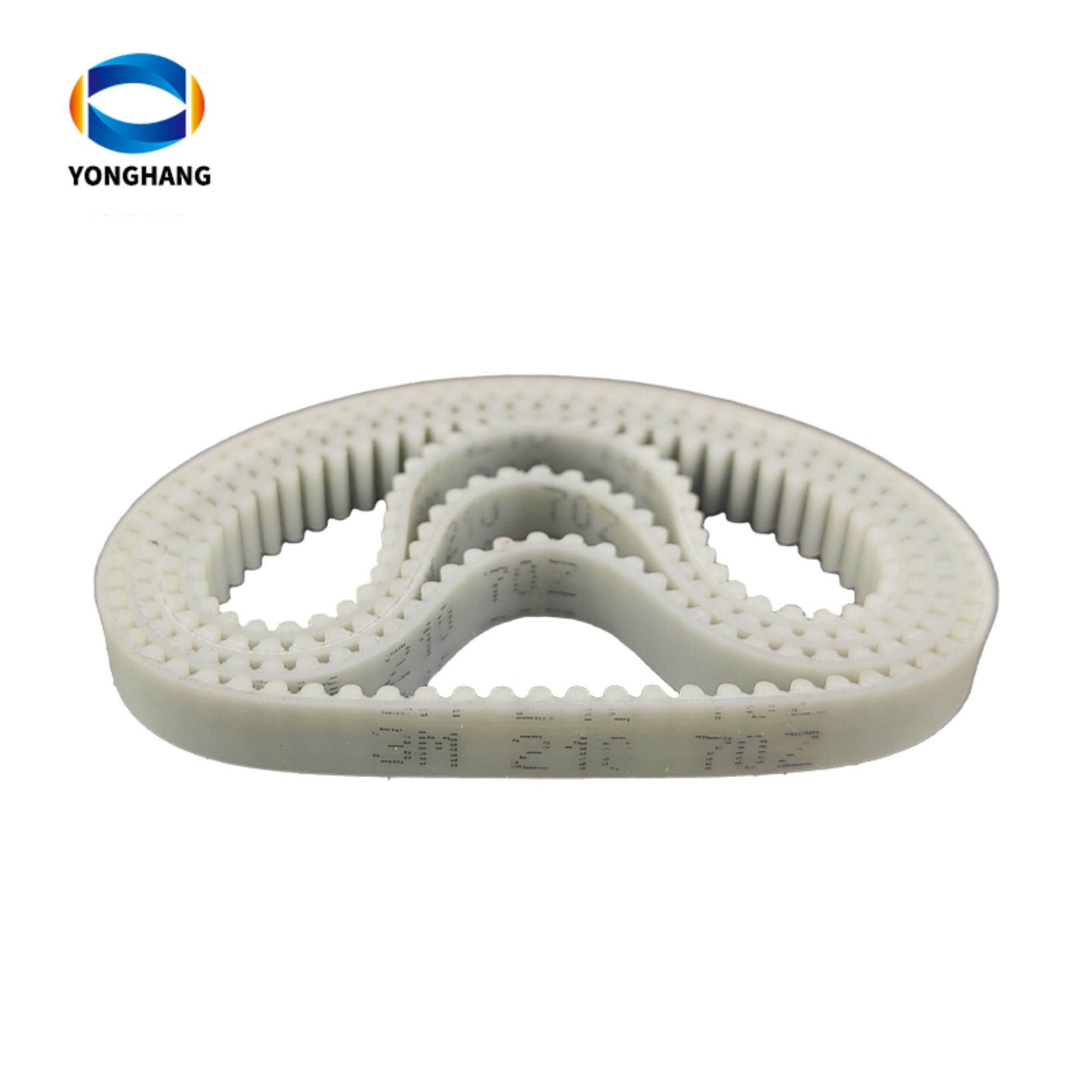
고성능 타이밍 벨트에 폴리우레탄이 최적의 소재인 이유
기계적 강도, 화학 저항성 및 마모 내성
산업 현장의 운영은 폴리우레탄 타이밍 벨트에 크게 의존하는데, 이는 다른 대부분의 대체재보다 성능이 훨씬 뛰어나기 때문이다. 이러한 재료는 분자 수준에서 특유의 구조를 지니고 있어 인장 강도가 매우 높으며, 보통 25 MPa 이상에 달한다. 또한 고압 하에서도 거의 늘어나지 않아, 높은 토크 부하를 다루는 기계 장치에서 모든 부품을 정확히 동기화하는 데 필수적인 특성을 갖춘다. 반면 고무 벨트는 폴리우레탄(PU)이 견딜 수 있는 수준의 환경을 도저히 버티지 못한다. 공장 내에서 흔히 접할 수 있는 기계 오일, 세정 용제, 심지어 산성 화학물질 등 다양한 엄격한 환경에 노출되면 쉽게 파손된다. 특히 식품 가공 시설에서는 벨트 표면이 매일 지방 잔여물과 강력한 살균제와 접촉하기 때문에 특별한 도전 과제가 된다. 일반 고무는 이러한 조건에서 사실상 분해되지만, 폴리우레탄(PU)은 여전히 강력한 성능을 유지한다. 또 다른 큰 장점은 마모 저항성이다. 광산이나 목공소처럼 미세한 입자가 벨트 표면을 끊임없이 공격하는 먼지 많은 환경에서 실시된 테스트 결과, 폴리우레탄(PU)의 마모량은 고무보다 약 40% 적은 것으로 나타났다. 이러한 모든 특성 덕분에 예기치 않은 고장이 줄어들고, 설비의 성능 지속 기간이 연장되며, 특히 기계가 한계까지 가동되는 집중 생산 기간에도 안정적인 작동이 가능하다.
쇼어 A 경도 및 신장률: 유연성, 하중 용량, 수명 간 균형 맞추기
우수한 PU 타이밍 벨트 성능을 위해서는 적절한 쇼어 A 경도를 확보하는 것이 매우 중요합니다. 산업용 응용 분야에서는 일반적으로 90~95 쇼어 A 범위를 사용하는데, 이 범위는 소형 풀리에 대한 충분한 유연성을 제공하면서도 정확한 동력 전달에 필요한 강성을 동시에 확보하기 때문입니다. 경도를 낮추어 80~85 쇼어 A 범위로 설정하면 진동 흡수 성능은 향상되지만, 토크 전달 능력은 약 15% 감소합니다. 반대로, 96~99 쇼어 A 범위로 경도를 높이면 중량 하중에 대한 최대 강도를 얻을 수 있으나, 장기적으로 풀리 마모가 증가한다는 단점이 있습니다. 또 다른 주요 고려 사항으로 신장률이 있습니다. 초기 장력을 설정한 후 벨트의 신장률은 0.5%를 초과해서는 안 됩니다. 이 한계를 초과할 경우, 톱니가 정렬에서 벗어나거나 균열이 발생하는 등의 문제가 훨씬 더 빈번하게 발생할 수 있습니다.
| 경도 범위 | 유연성 | 최대 부하량 | 가장 좋은 |
|---|---|---|---|
| 80–85 쇼어 A | 높은 | 중간 | 저소음 정밀 시스템 |
| 90–95 쇼어 A | 균형 | 높은 | 일반 산업용 드라이브 |
| 96–99 쇼어 A | 낮아 | 극단적 | 풀리가 정렬된 중장비 |
적절히 사양이 정의된 벨트는 이 경도–신장 균형을 유지함으로써, 주기 하중 조건 하에서도 20,000시간 이상의 동기 운전을 지속할 수 있습니다.
PU 타이밍 벨트 사양을 귀사의 동력 전달 요구사항에 맞추기
토크, 속도 및 동기화 정확도를 고려한 사이징
토크 계산을 정확히 수행하는 것은 매우 중요합니다. 너무 작은 벨트는 톱니가 절단될 위험이 있으며, 반면에 필요 이상으로 큰 벨트는 단순히 비용과 소중한 공간을 낭비하게 됩니다. 벨트의 강도 요구 사항을 검토할 때는 평균 작동 값이 오해의 소지가 많기 때문에, 평균 작동 조건이 아닌 제조사에서 명시한 최대 토크 조건 하의 하중 등급을 기준으로 삼아야 합니다. 또한 속도 제한을 무시해서도 안 됩니다. 분당 약 6,000피트(약 1,829m/min)를 초과하여 지속적으로 작동하면 과도한 열 발생과 진동 증가를 유발해 결국 벨트 수명을 단축시킵니다. 동기화 목적의 경우, 여기서는 극도로 엄격한 허용오차를 의미합니다. 벨트와 풀리 사이의 정렬 오차가 단지 0.5도만 발생해도 자동화된 생산 라인 또는 포장 장비에서 눈에 띄는 위치 이탈 문제가 발생합니다. 또한 고관성 응용 분야를 간과해서는 안 되는데, 이러한 경우 벨트 크기를 작게 설계하면 빈번한 시동 및 정지 상황에서 심각한 슬립 문제를 일으키며, 특히 현대식 서보 구동 기계 장치에서는 이 문제가 더욱 심각하게 나타납니다.
조기 고장 방지: 과속, 풀리 크기 부족, 및 정렬 불량의 영향
최대 RPM 정격을 단지 15%만 초과하여 장비를 가동하더라도, 마찰로 인한 과도한 열 축적 때문에 수주일 만에 서비스 수명이 절반으로 단축될 수 있습니다. 풀리가 해당 용도에 비해 지나치게 작을 경우, 벨트에 과도한 굽힘 응력이 발생합니다. 이로 인해 인장 코어(tensile cords)가 정상보다 빠르게 마모되고, 치아의 근부(base of the teeth)에서 바로 균열이 시작됩니다. 벨트가 좌우 방향으로 제대로 정렬되지 않으면(중심 간 거리 1피트당 0.5도 이상 틀어짐), 치아가 균일하게 맞물리지 않아 특징적인 가장자리 마모 패턴이 나타납니다. 각도 불정렬(angular misalignment)은 벨트가 중심을 유지하지 못하고 플랜지(flanges) 위로 올라가게 하여 측면을 점진적으로 마모시켜 결국 완전히 파손되게 합니다. 산업 분야의 연구 결과에 따르면, 정기적으로 정렬 상태를 점검하면 실제 조기 고장의 약 70%를 사전에 방지할 수 있습니다. 또한 풀리 피치(pulley pitch)가 벨트 설계 시 기준으로 삼은 값과 일치하는지 반드시 확인해야 합니다. 이러한 기하학적 오류는 실무 현장에서 벨트가 불필요하게 교체되는 주요 원인 중 하나입니다.
PU 타이밍 벨트의 신뢰성을 위한 실사용 환경 평가
온도 한계, 오일/화학물질 노출 및 오염 위험
폴리우레탄 타이밍 벨트는 섭씨 영하 30도에서 영상 80도까지의 온도 범위 내에서 우수한 성능을 발휘합니다. 온도가 영하 30도 이하로 떨어지면 재료가 취성화되어 균열이 발생하기 쉬워집니다. 반대로, 80도 이상의 고온에서는 벨트가 급격히 연화되어 인장 강도의 약 40%를 상실하게 되며, 이는 하중 조건에서의 동력 전달 효율에 부정적인 영향을 미칩니다. 폴리우레탄(PU)의 한 가지 장점은 대부분의 경우 오일 및 그리스에 대해 비교적 우수한 내성을 갖는다는 점입니다. 그러나 아세톤과 같은 케톤류 또는 염소계 용매와 장기간 접촉 시 벨트가 팽윤되거나 표면이 분해되는 경향이 있습니다. 이물질 오염도 중요합니다. 금속 조각, 마모성 먼지 입자, 혹은 일반적인 공중 부유 이물질 등도 적절한 커버가 없는 시스템에서 슬립 위험을 약 25% 증가시킬 수 있습니다. 식품 안전이 중요한 응용 분야에서는 PU가 미생물에 대한 내재적 저항성을 제공하지만, 외부 오염원의 유입을 방지하기 위한 적절한 밀봉은 여전히 필수적입니다. 벨트를 정기적으로 점검하는 것이 합리적입니다. 미세한 균열, 표면이 정상보다 더 단단해진 부분, 또는 화학 물질이 튀었을 가능성이 있는 부위 주변에서 특히 나타나는 비정상적인 색상 변화 등을 주의 깊게 관찰해야 합니다. 이러한 점검은 벨트가 작동 중 예기치 않게 고장나기 전에 문제를 조기에 발견하는 데 도움이 됩니다.
PU 타이밍 벨트의 치수 호환성 및 산업 규격 준수 여부 확인
피치, 폭, 길이 및 투스 프로파일(HTD, STPD, T5, T10) 선택 가이드라인
이러한 시스템에서는 치수를 정확히 맞추는 것이 매우 중요합니다. 이빨 간 거리인 피치 측정에 미세한 오차가 발생하더라도, 벨트 스킵, 성가신 소음, 중부하 작동 시 부품의 조기 마모와 같은 문제로 이어질 수 있습니다. 폭 역시 적절한 균형을 유지해야 합니다. 너무 얇으면 벨트가 트랙에서 이탈할 위험이 높아지고, 반대로 지나치게 두꺼우면 공간 낭비뿐 아니라 불필요한 부하로 인해 구성 요소에 과도한 응력이 가해질 수 있습니다. 벨트 길이를 결정할 때는 기술자들이 항상 풀리 중심 간 정확한 거리 측정으로 시작해야 합니다. 또한 온도 변화를 고려하는 것도 잊지 말아야 하며, 특히 고온에서 작동하는 장비의 경우 열팽창으로 인해 재료가 팽창하기 때문에 이 점이 특히 중요합니다. 이러한 사전 계획을 조금만 더 철저히 세운다면 훗날 발생할 수 있는 문제를 크게 예방할 수 있습니다.
주요 톱니 형상은 각기 다른 기능을 수행합니다:
- HTD/STPD : 충격 하중 및 고토크 컨베이어에 최적화됨
- T5/T10 : 로봇공학 및 의료기기에서 부드럽고 저진동 동작을 위해 설계됨
ISO 13050 및 DIN 2217 규격 준수는 글로벌 상호운용성, 안전성 및 장기 신뢰성을 보장합니다. 규격 미준수 벨트는 마모를 40% 가속시킵니다(『Power Transmission Journal』, 2022년) 및 동기화 정확도를 저해합니다. 식품, 제약 또는 클린룸 환경 근처에서 작동할 경우, 항상 RoHS 및 REACH 인증을 확인하여 규제 및 위생 요구사항을 충족해야 합니다.
자주 묻는 질문 섹션
-
왜 폴리우레탄 타이밍 벨트가 고무 벨트보다 선호되나요?
폴리우레탄 타이밍 벨트는 고무 벨트에 비해 우수한 기계적 강도, 내화학성 및 내마모성을 제공하므로, 높은 토크 부하 및 혹독한 환경에서 작동하는 산업용 응용 분야에 이상적입니다.
-
쇼어 A 경도(Shore A hardness)란 무엇이며, 폴리우레탄(PU) 타이밍 벨트에 어떤 영향을 미치나요?
쇼어 A 경도는 폴리우레탄 타이밍 벨트의 유연성과 강성을 나타냅니다. 유연성과 강성 사이의 균형은 산업용 응용 분야에서 적절한 동력 전달 및 신장 제어를 보장합니다.
-
실제 사용 조건은 PU 타이밍 벨트의 성능에 어떤 영향을 미칩니까?
폴리우레탄 타이밍 벨트는 특정 온도 범위 내에서 최적의 성능을 발휘하며, 화학 물질 노출 및 오염 위험에 대한 저항력을 갖추고 있습니다. 실제 사용 조건 하에서 신뢰성을 확보하기 위해 마모 및 손상 여부를 정기적으로 점검하는 것이 필수적입니다.
-
치수 호환성 및 규격 준수 시 고려해야 할 사항은 무엇입니까?
정확한 피치, 폭, 길이 측정 및 업계 표준에 부합하는 적절한 톱니 형상 선택은 PU 타이밍 벨트의 신뢰성 있는 작동 및 동기화 정확도를 보장합니다.