EN
EN
 AR
AR
 HR
HR
 DA
DA
 NL
NL
 FR
FR
 DE
DE EL
EL
 HI
HI
 IT
IT JA
JA
 KO
KO
 NO
NO PL
PL PT
PT RO
RO
 RU
RU
 ES
ES
 TL
TL
 IW
IW
 ID
ID
 SR
SR
 SK
SK
 UK
UK VI
VI
 TH
TH
 TR
TR
 AF
AF
 MS
MS
 IS
IS
 HY
HY
 AZ
AZ
 KA
KA
 BN
BN
 LA
LA
 MR
MR
 MY
MY
 KK
KK
 UZ
UZ
 KY
KY

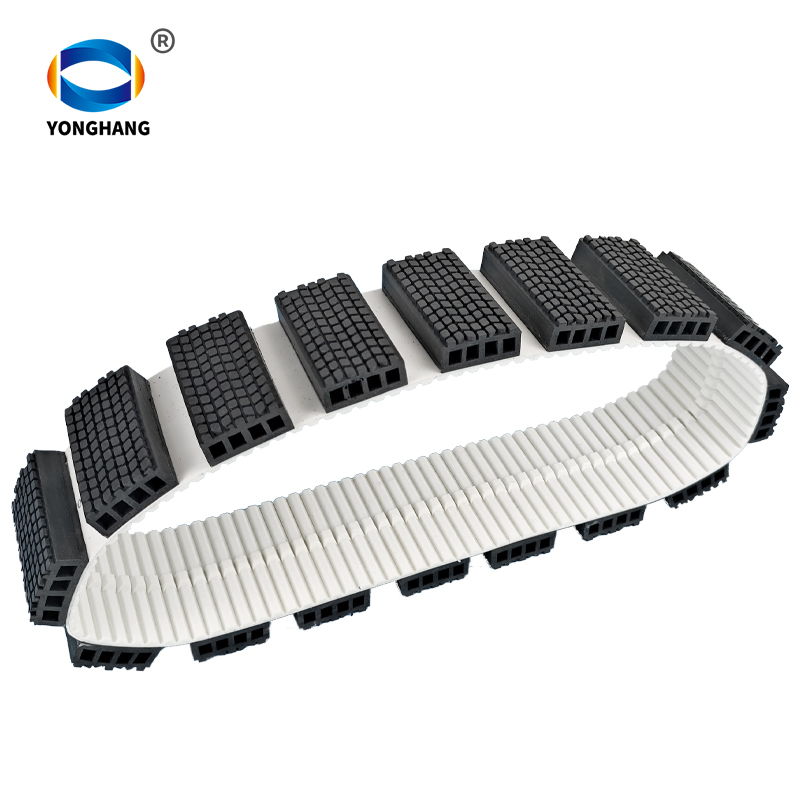
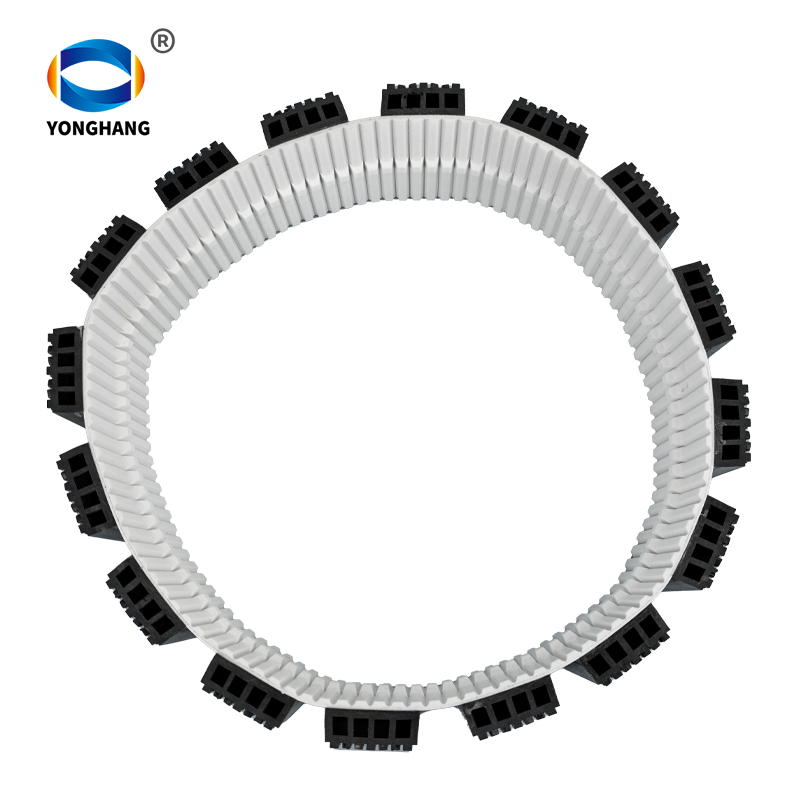
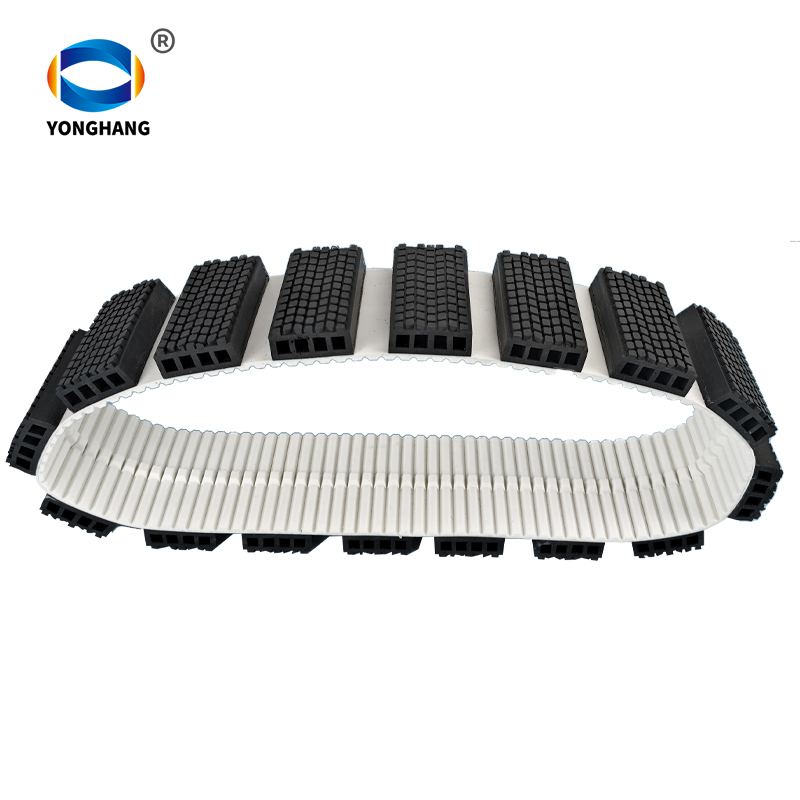
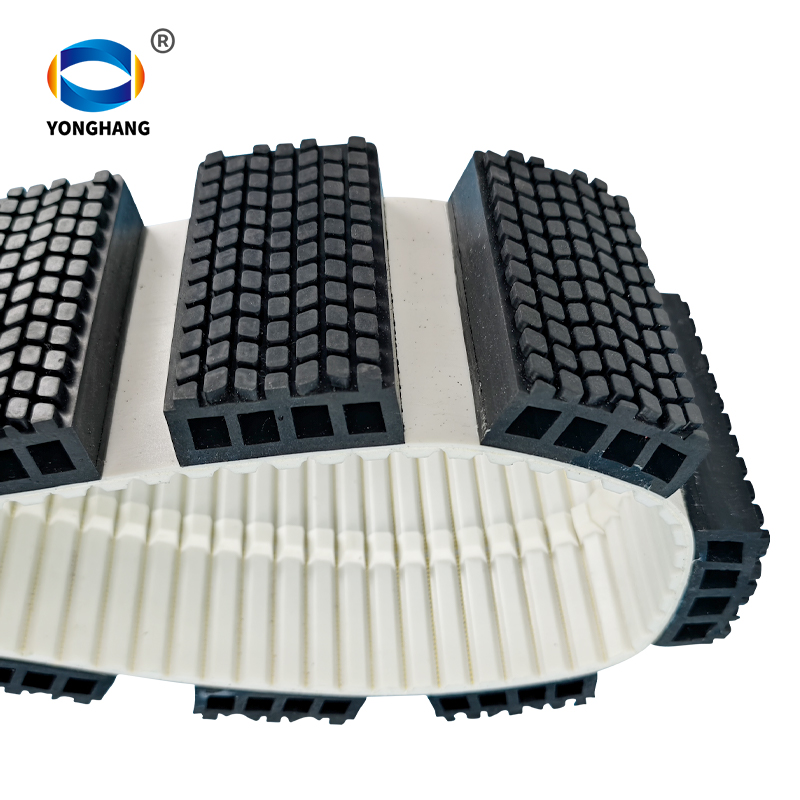
फोटोवोल्टिक (PV) सफाई रोबोट्स के लिए क्रॉलर ट्रैक्स बेल्ट्स
PV सफाई रोबोट्स के लिए अभियांत्रिकी रूप से डिज़ाइन किए गए क्रॉलर ट्रैक्स। यूरेथेन (PU) आधार पर 30 शोर A के मुलायम रबर के लेप के साथ, 27 डिग्री के ढलानों के लिए अनुकूलित। सौर पैनल रखरखाव को स्थिर और खरोंच-मुक्त बनाए रखता है।
- परिचय
परिचय
उत्पाद अवलोकन
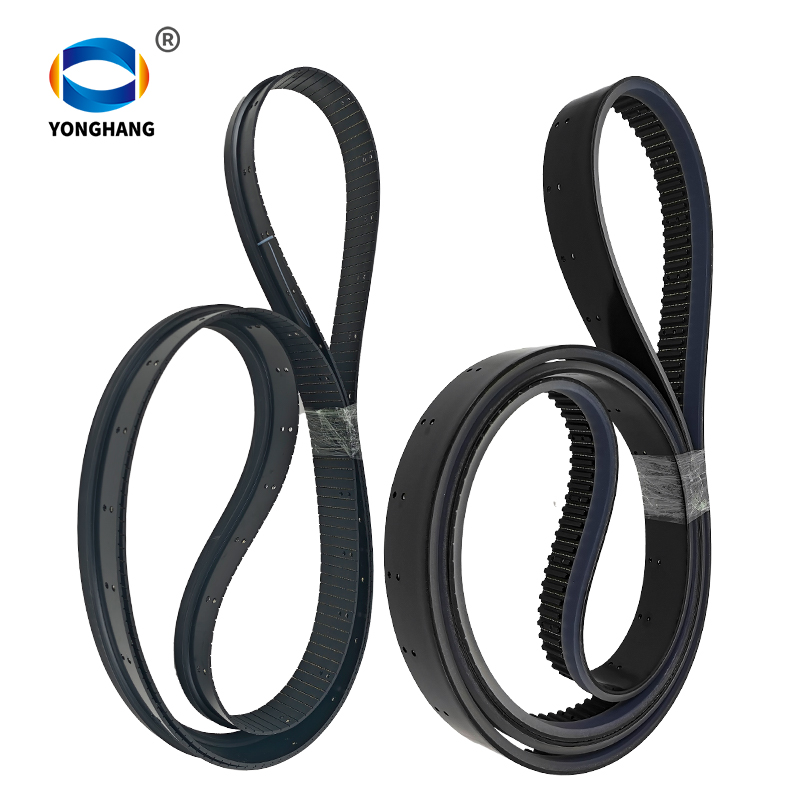
सौर फार्मों में अधिकतम दक्षता बनाए रखने के लिए स्वायत्त सफाई समाधानों की आवश्यकता होती है, जो फिसलन भरी और झुकी हुई सतहों पर सुरक्षित रूप से नेविगेट कर सकें। YONGHANG क्रॉलर ट्रैक बेल्ट्स अगली पीढ़ी के लिए विशेष रूप से डिज़ाइन किए गए हैं फोटोवोल्टिक (PV) सफाई रोबोट्स .
ये बेल्ट ग्लास की सतहों पर उच्च-पकड़ वाली गति प्रदान करने के लिए डिज़ाइन किए गए हैं, जो टाइमिंग बेल्ट की संरचनात्मक दृढ़ता को एक विशेषीकृत रबर कोटिंग के उच्च-घर्षण गुणों के साथ जोड़ते हैं। चाहे ये मरुस्थलीय धूल में हों या गीली सफाई की स्थितियों में, ये ट्रैक आपकी रोबोटिक प्रणालियों को सटीकता और स्थिरता के साथ चलने की सुविधा प्रदान करते हैं।
तकनीकी विशिष्टताएँ
| विशेषता | विशिष्टता विवरण |
| आधार सामग्री | उच्च-तन्य पॉलीयूरेथेन (PU) |
| कोटिंग सामग्री | विशेषीकृत सिंथेटिक रबर |
| सतह की कड़ाई | 30 शोर A (अत्यंत मुलायम/उच्च पकड़) |
| कार्यकारी ढलान | अधिकतम तक के लिए अनुकूलित 27 डिग्री |
| आंतरिक कोर | प्रबलित स्टील या अरामिड कॉर्ड्स |
| संगतता | शुष्क और आर्द्र सफाई वातावरण |
प्रमुख प्रदर्शन लाभ
उत्कृष्ट ढलान स्थिरता
एक 27 डिग्री की कार्यात्मक ढलान रेटिंग , ये ट्रैक्स यूटिलिटी-स्केल सोलर ऐरे के तीव्र झुकाव के लिए डिज़ाइन किए गए हैं। 30 शोर A सिंथेटिक रबर कोटिंग एक "चूषण" इंटरफ़ेस के रूप में कार्य करती है, जो रोबोट को ऊर्ध्वाधर या कोणीय सफाई चक्र के दौरान फिसलने से रोकती है।
उन्नत हाइब्रिड निर्माण
एक को विलय करके पीयू आधार बेल्ट एक कोमल के साथ सिंथेटिक रबर कोटिंग , हम एक ऐसा उत्पाद प्रदान करते हैं जो दोनों के सर्वश्रेष्ठ गुण प्रदान करता है: एक टाइमिंग बेल्ट की शून्य-खिंचाव, सिंक्रोनस ड्राइव और उच्च-घर्षण क्रॉलर के फिसलन-रहित प्रदर्शन को।
सतह सुरक्षा (गैर-मार्किंग)
30 शोर ए कठोरता विशेष रूप से सौर कांच को पकड़ने के लिए पर्याप्त रूप से कोमल चुनी गई है, बिना किसी अवशेष छोड़े या सूक्ष्म खरोंच उत्पन्न किए। यह फोटोवोल्टाइक मॉड्यूल की प्रतिबिंब-रोधी परत की रक्षा करता है, जबकि उच्च सफाई गति बनाए रखता है।
मौसम एवं यूवी प्रतिरोध
सौर वातावरण कठोर होते हैं। हमारा सिंथेटिक रबर यौगिक यूवी क्षरण और चरम तापमान उतार-चढ़ाव के प्रतिरोध के लिए विकसित किया गया है, जिससे ट्रैक्स को लंबे समय तक प्रत्यक्ष सूर्य के प्रकाश के संपर्क में आने के बाद दरारें या कठोरता नहीं आती है।
उपयोग
शुष्क ब्रश सफाई रोबोट: रेतीले या धूल भरे रेगिस्तानी वातावरण में ट्रैक्शन बनाए रखना।
गीले धोने के रोबोटिक सिस्टम: साबुन या पानी से ढकी कांच की सतहों पर पकड़ सुनिश्चित करना।
आवासीय एवं औद्योगिक फोटोवोल्टिक (PV) रखरखाव: ढलान वाली छतों पर लगाए गए सौर पैनल ऐरे के लिए आदर्श।
अक्सर पूछे जाने वाले प्रश्न (एफएक्यू)
प्रश्न 1: क्या 30 शोर A कठोरता फोटोवोल्टिक (PV) कांच के लिए सुरक्षित है?
ए: हाँ, बिल्कुल। कठोरता 30 शोर A को अत्यंत मुलायम (सॉफ्ट रबर के इरेज़र के टेक्सचर के समान) के रूप में वर्गीकृत किया गया है। यह विशिष्ट ग्रेड सौर पैनलों पर प्रतिबिंब-रोधी कोटिंग (ARC) को शुष्क और गीले दोनों सफाई चक्रों के दौरान खरोंच-मुक्त और क्षतिग्रस्त होने से बचाने के लिए अधिकतम सतह घर्षण प्रदान करने के लिए विकसित किया गया है।
प्रश्न 2: क्या बेल्ट वास्तव में 27-डिग्री के ढलान पर पकड़ बनाए रख सकती है?
ए: हाँ। हमारी विशिष्ट सिंथेटिक रबर कोटिंग में ऊँचे घर्षण गुणांक की विशेषता है, जो तीव्र झुकाव वाली सतहों के लिए डिज़ाइन की गई है। एक 27° कार्य कोण पर मुलायम कोटिंग ग्लास सतह पर "माइक्रो-सक्शन" प्रभाव उत्पन्न करती है। हालाँकि, स्थिरता रोबोट के भार वितरण और ग्लास पर किसी भी तेलीय दूषक की उपस्थिति पर भी निर्भर करती है।
प्रश्न 3: क्या बेल्ट यूवी-प्रतिरोधी है? क्या लंबे समय तक सूर्य के प्रकाश के संपर्क में आने से दरारें आ जाएँगी?
ए: हमारे ट्रैक्स चरम बाह्य वातावरण के लिए निर्मित हैं। PU आधार यूवी-स्थायीकृत है, और रबर कोटिंग को प्रवयस्कता-रोधी एजेंट्स के साथ विकसित किया गया है। इससे सामग्री की लचीलापन बनी रहती है और रेगिस्तान या उच्च ऊँचाई वाले क्षेत्रों में तीव्र सूर्य प्रकाश के संपर्क में आने पर भी इसके कठोर होने या दरारें आने से रोका जाता है।
प्रश्न 4: ट्रैक्स का रखरखाव या सफाई कैसे करनी चाहिए?
ए: हम ट्रैक्स को नियमित रूप से साफ पानी या pH-तटस्थ डिटर्जेंट से धोने की सिफारिश करते हैं, ताकि जमा हुई धूल और कणों को हटाया जा सके। कठोर विलायकों, गैसोलीन या प्रबल अम्ल/क्षार का उपयोग न करें, क्योंकि ये रसायन 30 शोर A रबर को क्षीण कर सकते हैं और इसकी पकड़ क्षमता को कम कर सकते हैं।
प्रश्न 5: क्या आप अनुकूलित लंबाई और चौड़ाई प्रदान करते हैं?
ए: हाँ। एक निर्माता के रूप में, हम आपके विशिष्ट रोबोट चेसिस के अनुरूप लंबाई, चौड़ाई और दांत की प्रोफाइल (जैसे T10, AT10 या 8M) को अनुकूलित कर सकते हैं। हम आपकी आवश्यकता के अनुसार रबर की सतह पर कस्टम ड्रेनेज ग्रूव्स या एंटी-स्लिप पैटर्न भी जोड़ सकते हैं।
प्रश्न 6: बेस बेल्ट को ठोस रबर के बजाय पॉलीयूरेथेन (PU) से क्यों बनाया जाता है?
ए: द पॉलीयूरिथेन (PU) बेस में एकीकृत उच्च-तन्यता वाले स्टील या केवलार कॉर्ड शामिल होते हैं। यह सुनिश्चित करता है शून्य-खिंचाव प्रदर्शन , जो दोनों ट्रैक्स के बीच पूर्ण सिंक्रनाइज़ेशन को बनाए रखने के लिए आवश्यक है। ठोस रबर की बेल्टें भार के अधीन खिंच जाने की प्रवृत्ति रखती हैं, जिससे ट्रैकिंग त्रुटियाँ या ड्राइव स्प्रोकेट्स से बेल्ट के फिसलने की संभावना होती है।
प्रश्न 7: गीले और शुष्क सफाई वातावरणों में प्रदर्शन में कोई अंतर होता है?
ए: प्रदर्शन अत्यधिक स्थिर रहता है। 30 शोर A सिंथेटिक रबर गीली स्थिति में भी उत्कृष्ट ग्रिप बनाए रखता है। जिन रोबोट्स का उपयोग मुख्य रूप से "वेट वॉश" प्रणालियों में किया जाता है, उनके लिए हम सतह पर माइक्रो-ग्रूव्स जोड़ सकते हैं, जो जल तनाव को तोड़ते हैं और जमा हुए पानी पर हाइड्रोप्लैनिंग को रोकते हैं।