EN
EN
 AR
AR
 HR
HR
 DA
DA
 NL
NL
 FR
FR
 DE
DE EL
EL
 HI
HI
 IT
IT JA
JA
 KO
KO
 NO
NO PL
PL PT
PT RO
RO
 RU
RU
 ES
ES
 TL
TL
 IW
IW
 ID
ID
 SR
SR
 SK
SK
 UK
UK VI
VI
 TH
TH
 TR
TR
 AF
AF
 MS
MS
 IS
IS
 HY
HY
 AZ
AZ
 KA
KA
 BN
BN
 LA
LA
 MR
MR
 MY
MY
 KK
KK
 UZ
UZ
 KY
KY

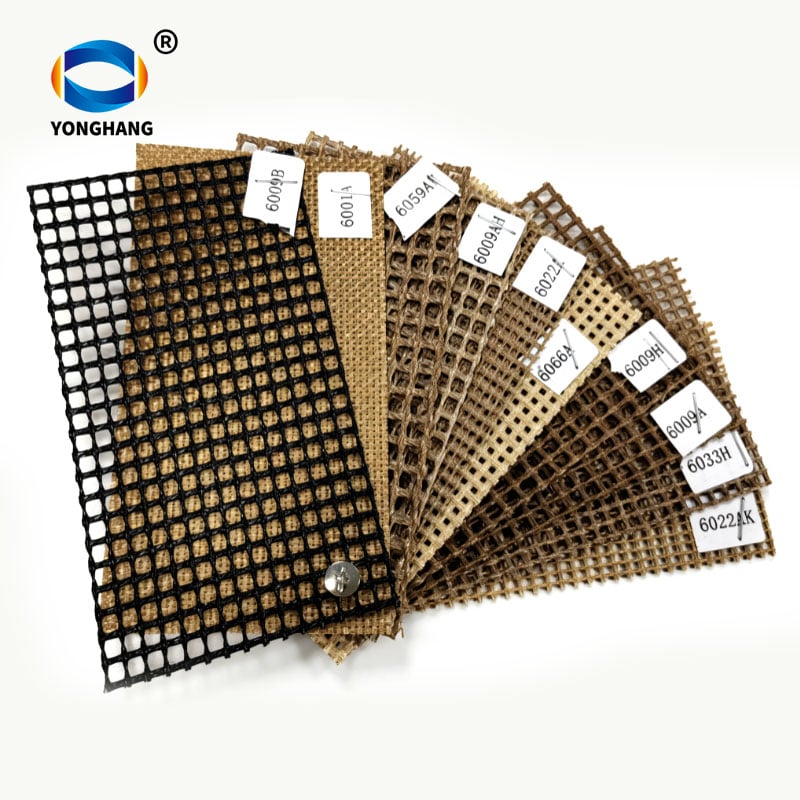
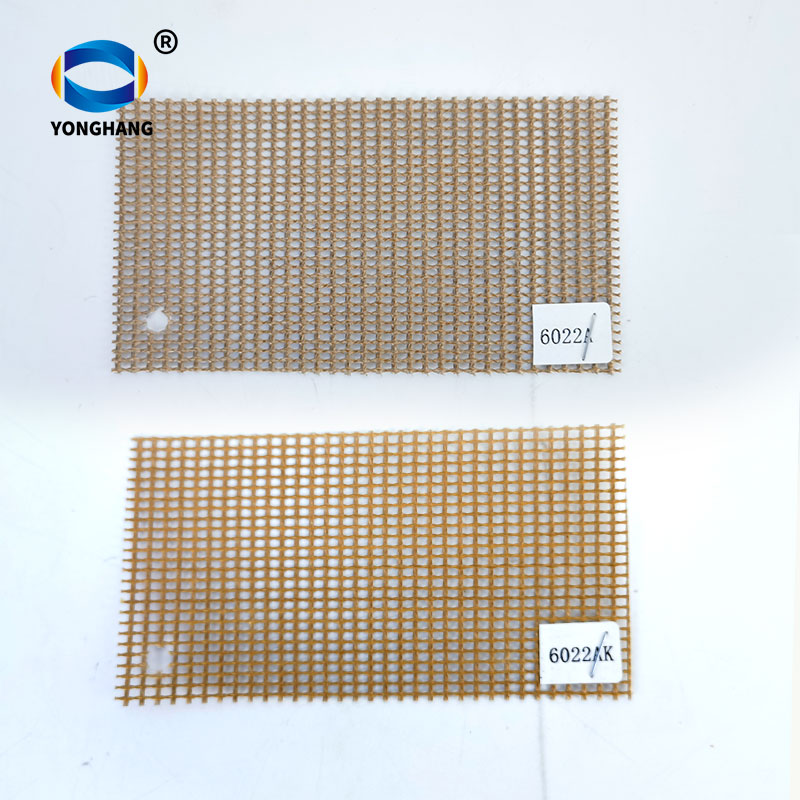
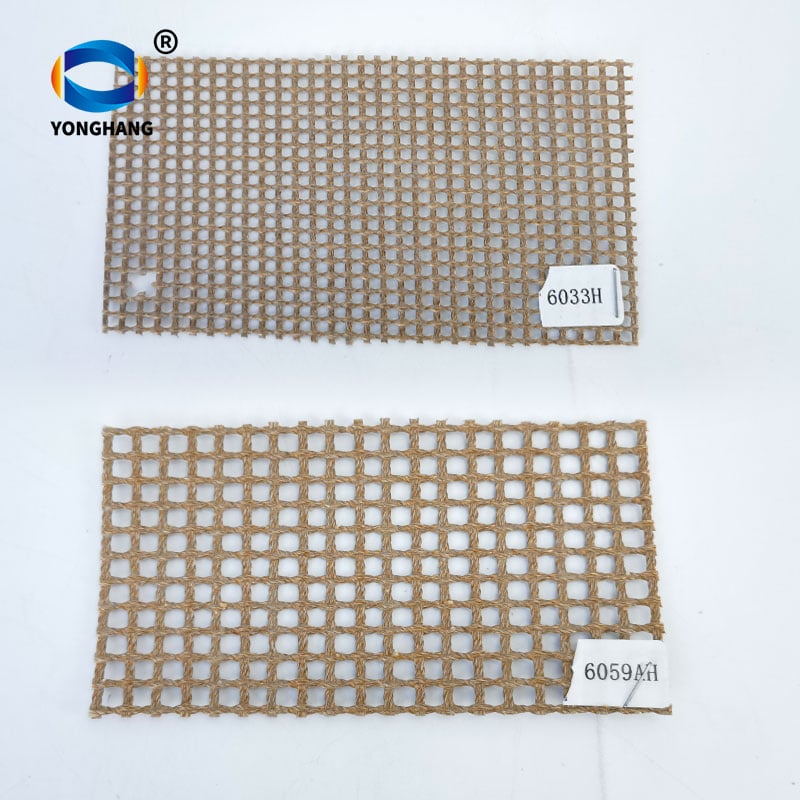
6009 श्रृंखला उच्च-तापमान प्रतिरोधी भारी ड्यूटी PTFE कन्वेयर मेश बेल्ट
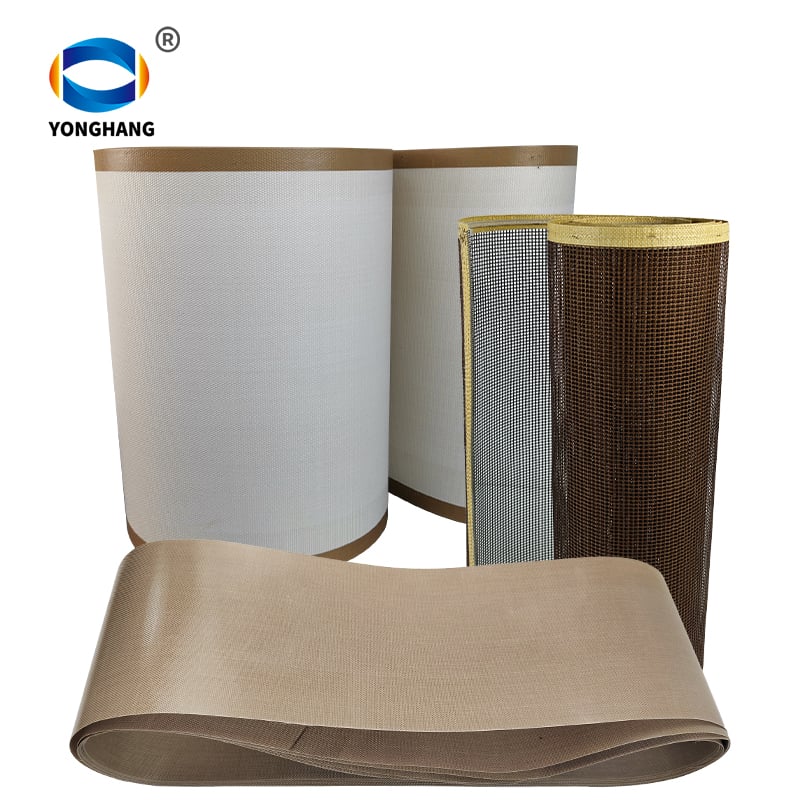
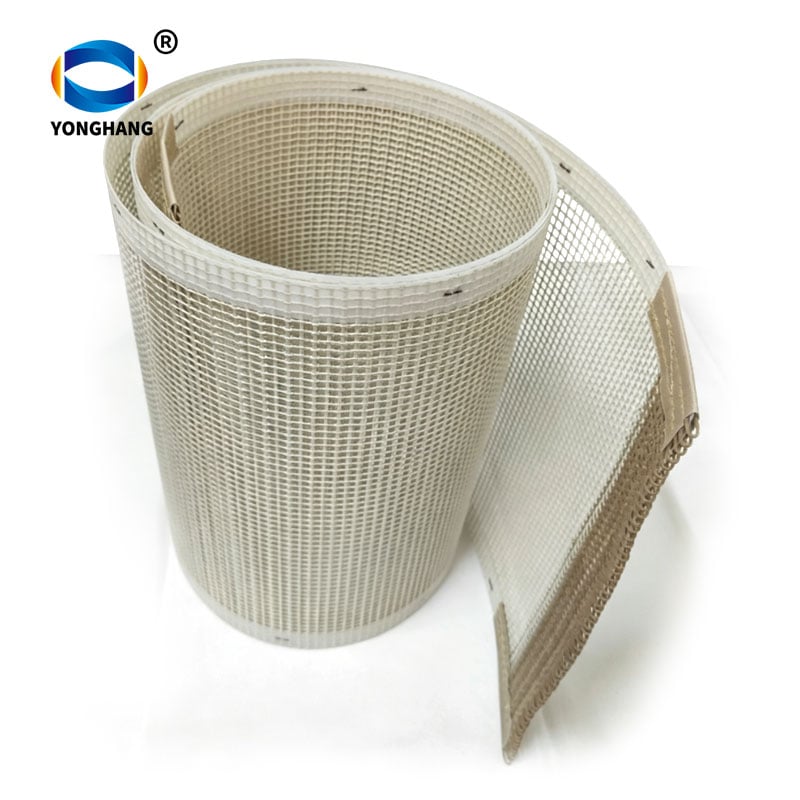
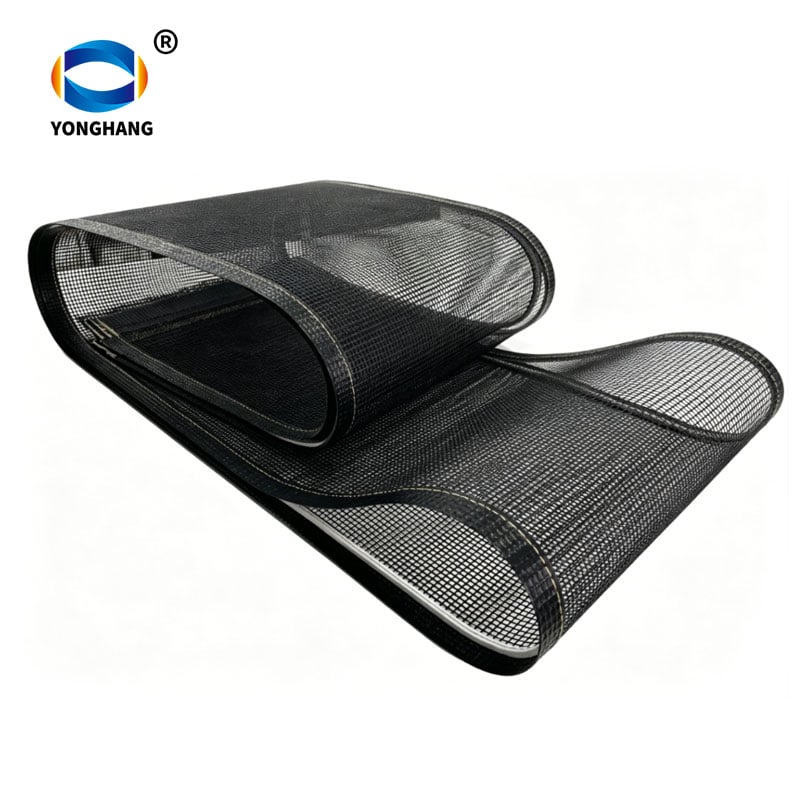
हमारे उच्च-प्रदर्शन वाले उत्पादों के साथ अत्यधिक तापीय वातावरणों के तहत श्रेष्ठ यांत्रिक विश्वसनीयता को अनलॉक करें PTFE मेश कन्वेयर बेल्ट , जिनका प्रमुख उल्लेख भारी ड्यूटी 6009 श्रृंखला के रूप में किया गया है। यह उन्नत संयोजित सामग्री एक उच्च-मॉड्यूलस संरचनात्मक ग्लासफाइबर मेश आधार पर प्रीमियम-ग्रेड पॉलिटेट्राफ्लुओरोएथिलीन (PTFE) इमल्शन के गहन अंतःस्रवण द्वारा सटीक रूप से संश्लेषित की गई है—जिसे व्यापक रूप से 'प्लास्टिक्स का राजा' के रूप में जाना जाता है—और यह रासायनिक निष्क्रियता और गैर-चिपकने वाले प्रदर्शन का अतुलनीय संयोजन प्रदान करती है। सटीक इंजीनियरिंग विशिष्टताओं को पूरा करने के लिए, 6009 श्रृंखला को द्वि-आयामी (2D) और त्रि-आयामी (3D) बुनाई वास्तुकला में डिज़ाइन किया गया है। यह प्रीमियम श्रृंखला स्पष्ट रूप से पुरानी 6001 श्रृंखला के संस्करणों की भार सीमाओं को दूर करने के लिए विकसित की गई है, और इसमें उत्कृष्ट तन्य सामर्थ्य और यांत्रिक खिंचाव के प्रति अद्वितीय प्रतिरोध , जो उच्च-तनाव वाले औद्योगिक शुष्कन और वेंटिलेशन क्षेत्रों में निर्दोष ट्रैकिंग और विस्तारित संचालन आयु की गारंटी देता है।
- परिचय
परिचय
तकनीकी एवं संरचनात्मक प्रमुख विशेषताएँ:
प्रीमियम फ्लुओरोपॉलीमर मैट्रिक्स: लंबे समय तक चिपकने वाले गुणों को सुनिश्चित करने और आक्रामक रासायनिक प्रभावों से सुरक्षा प्रदान करने के लिए उच्च-शुद्धता वाले तरल PTFE डिस्पर्शण के साथ वास्तविक कोटिंग की गई है।
उन्नत तन्य संरचना: विशेष रूप से इसे मानक 6001 भिन्नताओं की तुलना में अनुदैर्ध्य तन्य सामर्थ्य में विशाल उन्नति प्रदान करने के लिए डिज़ाइन किया गया है, जिससे भारी यांत्रिक भार के तहत बेल्ट के विरूपण को रोका जा सके।
गतिशील 2D एवं 3D बुनावट पैटर्न: गर्म वायु प्रवाह, ट्रैकिंग स्थिरता और उत्पाद अंतःक्रिया को अनुकूलित करने के लिए अनुकूलित द्वि-आयामी और मज़बूत त्रि-आयामी बुनी हुई ज्यामितियों में उपलब्ध। उच्च-दक्षता वाली खुली मेश ज्यामिति: एक समान खुले छिद्र संरचना के साथ, जो नमी निकास को तीव्र करती है, निरंतर वेंटिलेशन को सुविधाजनक बनाती है और क्यूरिंग सुरंगों में समान ऊष्मा वितरण सुनिश्चित करती है।
6009 श्रृंखला भारी ड्यूटी PTFE कन्वेयर मेश बेल्ट विनिर्देश:
| मॉडल | रंग | छेद का व्यास | सामग्री | भार | अधिकतम चौड़ाई | तनन सामर्थ्य | कार्यशील तापमान |
|---|---|---|---|---|---|---|---|
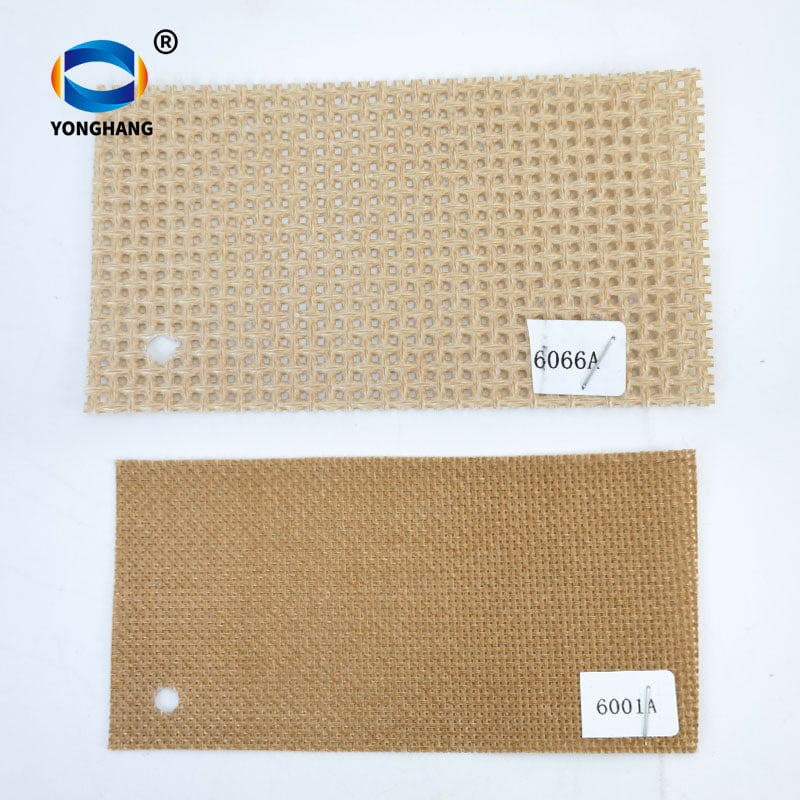
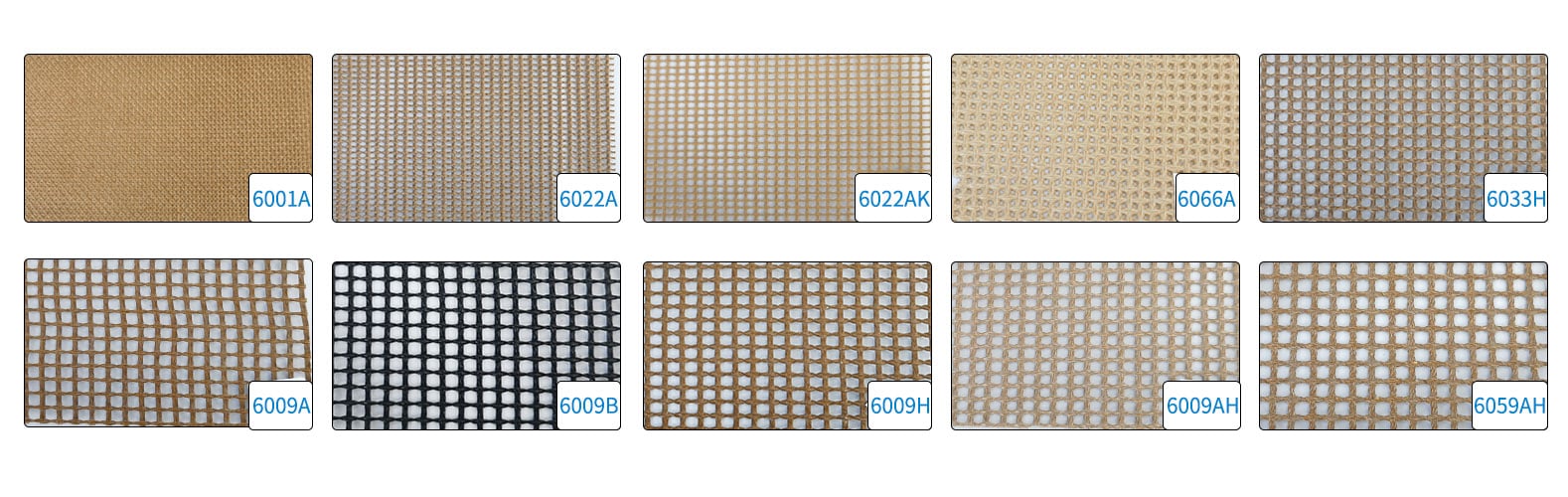
| 6001A | मकई-पीला | 1*1मिमी | फाइबरग्लास | 440±5 ग्राम/वर्ग मीटर | 4400mm | 1800/1500 न्यूटन/5 सेमी | -140℃~+360℃ |
| 6001B | काला | 1*1मिमी | फाइबरग्लास | 440±5 ग्राम/वर्ग मीटर | 4400mm | 1800/1500 न्यूटन/5 सेमी | -140℃~+360℃ |
| 6022A | भूरा | 2*2 मिमी | फाइबरग्लास | 780±5 ग्राम/वर्ग मीटर | 4400mm | 3500/3100 न्यूटन/5 सेमी | -140℃~+360℃ |
| 6022AK | भूरा | 2*2 मिमी | केवलार+फाइबरग्लास | 510±5 ग्राम/वर्ग मीटर | 4400mm | 4800/3100 न्यूटन/5 सेमी | -140℃~+360℃ |
| 6066A | मकई-पीला | 2*2 मिमी | फाइबरग्लास | 890±5 ग्राम/वर्ग मीटर | 4400mm | 3700/3600 न्यूटन/5 सेमी | -140℃~+360℃ |
| 6033H | भूरा | 3*3 मिमी | फाइबरग्लास | 800±5 ग्राम/वर्ग मीटर | 4400mm | 4100/3800 न्यूटन/5 सेमी | -140℃~+360℃ |
| 6009 | भूरा | 4*4मिमी | फाइबरग्लास | 500±5 ग्राम/वर्ग मीटर | 4400mm | 3400/1800 न्यूटन/5 सेमी | -140℃~+360℃ |
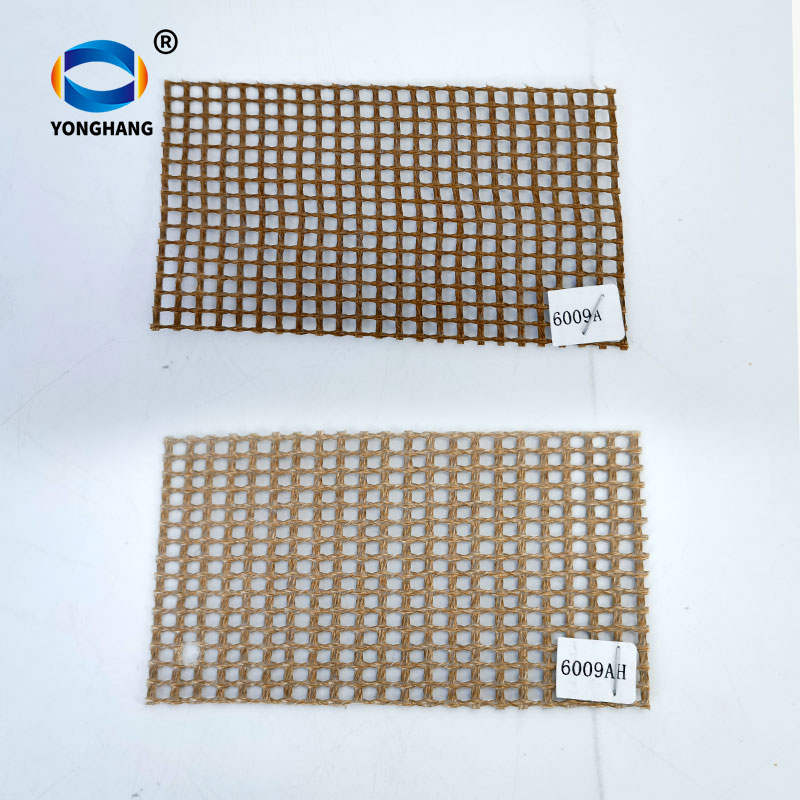
| 6009A | भूरा | 4*4मिमी | फाइबरग्लास | 610±5 ग्राम/वर्ग मीटर | 4400mm | 3400/2750 न्यूटन/5 सेमी | -140℃~+360℃ |
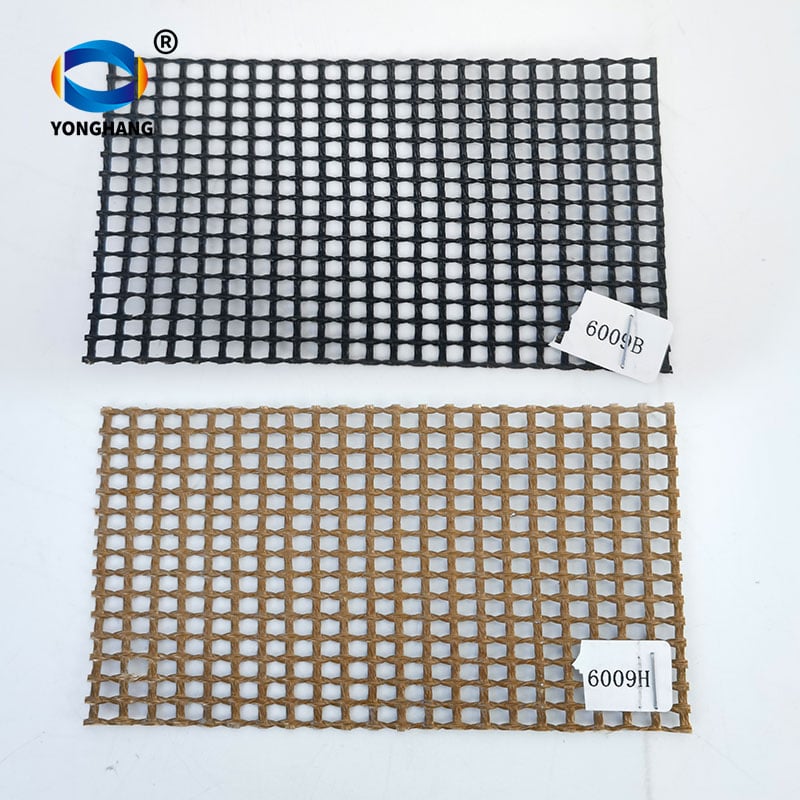
| 6009B | काला | 4*4मिमी | फाइबरग्लास | 610±5 ग्राम/वर्ग मीटर | 4400mm | 2200/1800N/5सेमी | -140℃~+360℃ |
| 6009H | भूरा | 4*4मिमी | फाइबरग्लास | 780±5 ग्राम/वर्ग मीटर | 4400mm | 3600/2750N/5सेमी | -140℃~+360℃ |
| 6009AH | भूरा | 4*4मिमी | फाइबरग्लास | 1080±5ग्राम/वर्ग मीटर | 4400mm | 3800/3000N/5सेमी | -140℃~+360℃ |
| 6059AH | भूरा | 5*5मिमी | फाइबरग्लास | 1250±5ग्राम/वर्ग मीटर | 4400mm | 5200/4500N/5सेमी | -140℃~+360℃ |
लघु अवधि के उपयोग के लिए कार्यकारी तापमान: -140°C से +360°C; दीर्घ अवधि के उपयोग के लिए कार्यकारी तापमान: -70°C से +260°C
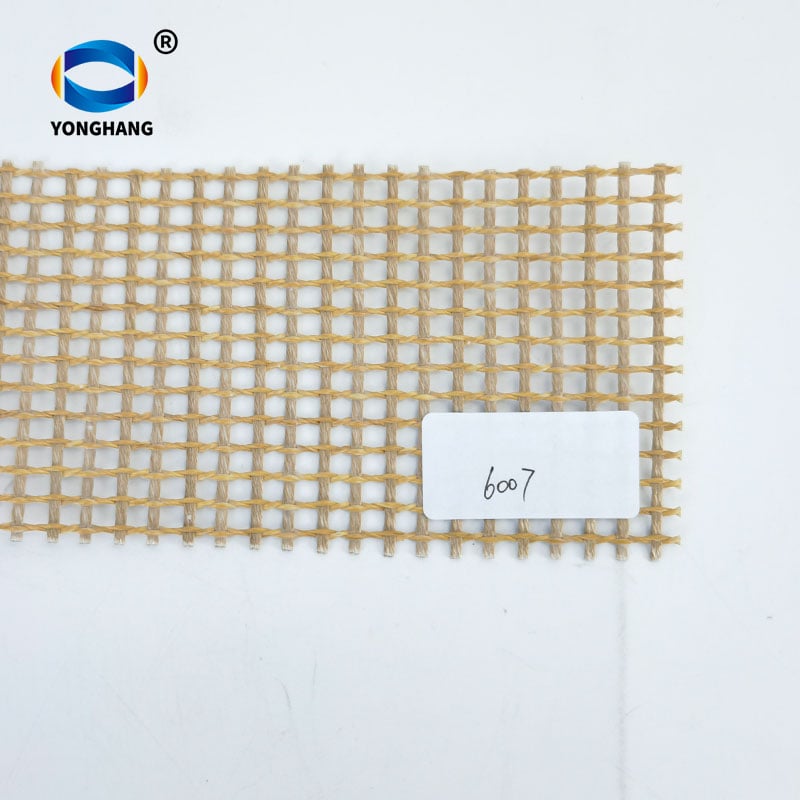
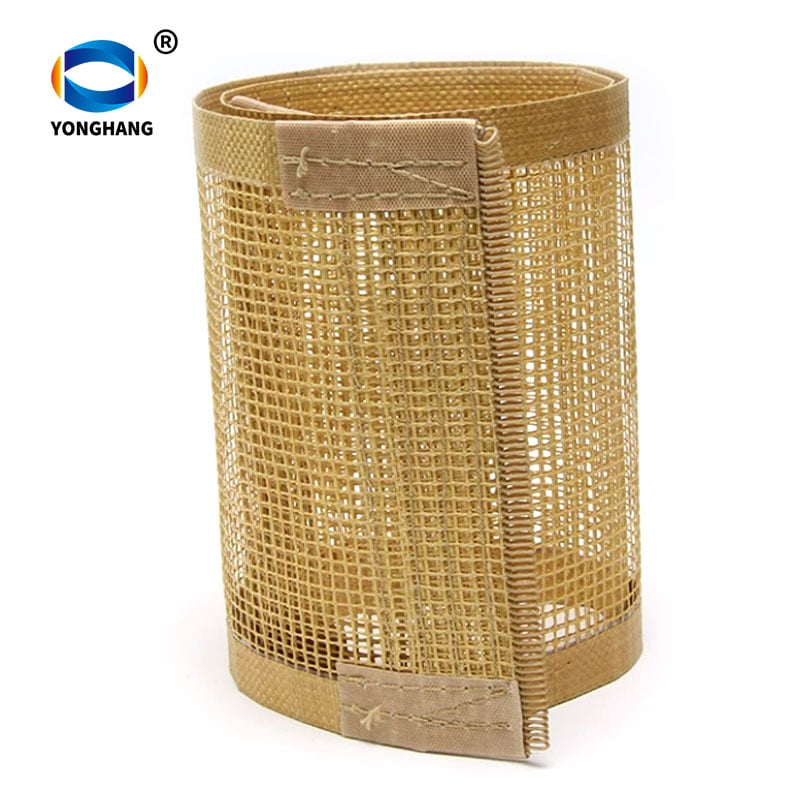
6001 श्रृंखला PTFE मेश बेल्ट मॉडल की तस्वीर
PTFE (टेफ़लॉन) की विशेषताएँ:
उच्च और निम्न तापमान के प्रति प्रतिरोधी -70℃ से 260℃ तक। मौसम प्रतिरोधी, जूनून-प्रतिरोधी, लंबा जीवन चक्र।
– चिपकने के प्रति प्रतिरोधी, सफाई आसान।
– सभी प्रकार के प्रबल अम्ल और क्षार के क्षरण के प्रति प्रतिरोधी, रासायनिक प्रतिरोधी, निष्क्रिय।
– आकारिक स्थायित्व, तन्यता गुणांक 5 ‰ से कम, उच्च ताकत, अच्छे यांत्रिक गुणों के साथ।
– मोड़ने के थकान के प्रति प्रतिरोधी, छोटे व्हील व्यास के लिए उपयोग किया जा सकता है।
– अग्निरोधी, पारगम्यता के साथ, ऊष्मा हानि को कम करता है, सुखाने की दक्षता में सुधार करता है।
बेल्ट जोड़:


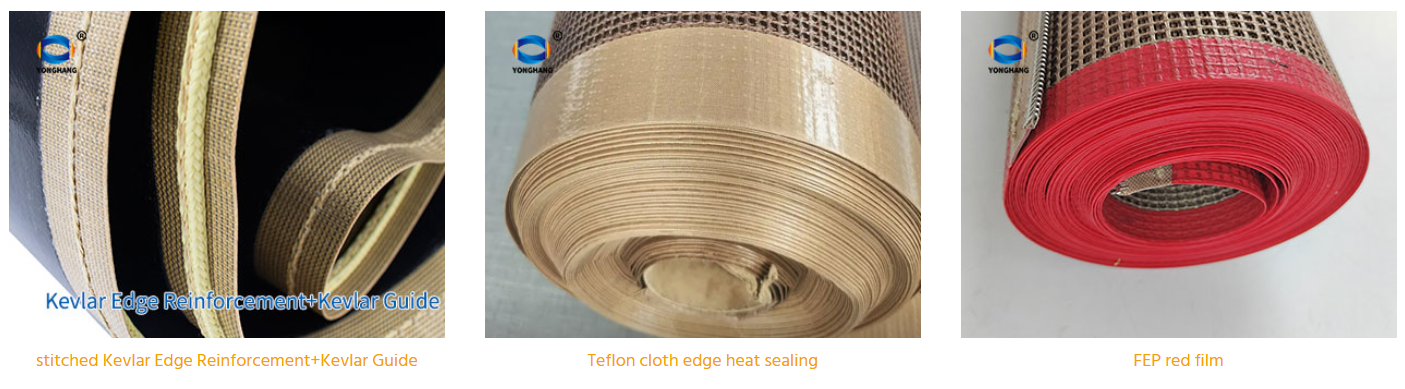
किनारा मजबूती
टेफ्लॉन, फाइबरग्लास और केवलारटेफ्लॉन फॉयल के साथ पीटीएफई बेल्ट के किनारों का पुनर्बलन
कन्वेयर बेल्ट के किनारों को किनारा दिया जा सकता है या मजबूत किया जा सकता है किनारों को क्षतिग्रस्त होने या फटने से बचाने के लिए विभिन्न सामग्रियों के साथ।
किनारों को विभिन्न सामग्रियों से बनाया जा सकता है, कुछ मामलों में किनारों को सिला जा सकता है .
निम्नलिखित मामलों में पीटीएफई कपड़े के साथ बेल्ट के किनारों का वेल्डेड पुनर्बलन आवश्यक है।
- भारी संचालन के दौरान, जब बेल्ट के किनारे की सुरक्षा करना आवश्यक हो या तन्य शक्ति में वृद्धि करनी हो।
- परिवहन उद्देश्यों (सुखाने की बेल्ट) के लिए मेश कपड़े का उपयोग करते समय।
- साइड गाइड और स्टड गाइड के उपयोग के दौरान।
बड़ी बेल्ट चौड़ाई के साथ उचित संचालन प्राप्त करने के लिए दो-तरफा किनारा पुनर्बलन का उपयोग करने की अनुशंसा की जाती है।
बेल्ट गाइडिंग
कुछ मामलों में, बेल्ट के अनुदैर्ध्य मार्गदर्शन को सुनिश्चित करना आवश्यक होता है। इसे प्रदान करने के कई तरीके हैं। इनमें से प्रत्येक के अपने फायदे और सीमाएँ हैं।
|
|
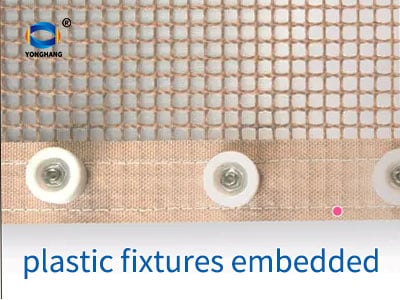
ट्रैकिंग आईलेट्स या स्टड्सआँखें या स्टड्स बेल्ट में एम्बेडेड धातु या प्लास्टिक के फिटिंग हैं |
|
|
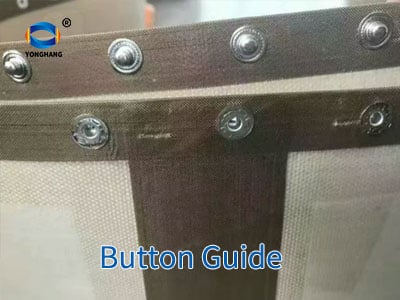
बटन गाइडबटन गाइड्स बेल्ट की सतह पर छोटे, समान दूरी पर स्थित उभार होते हैं |
|
|
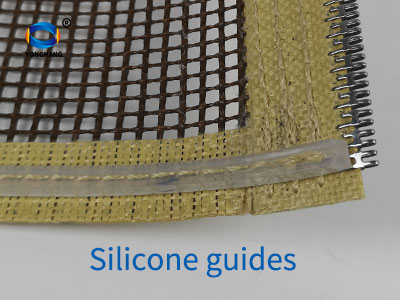
सिलिकॉन गाइडसिलिकॉन ट्रैकिंग कॉर्ड लचीलापन और फिसलन प्रतिरोध प्रदान करता है |
|
|
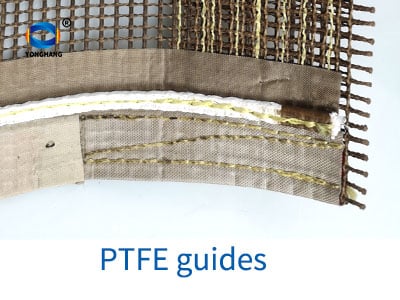
PTFE ट्रैकिंग कॉर्ड
|
|
|
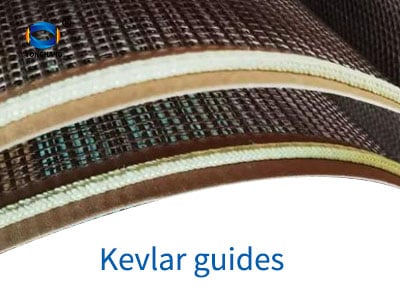
केवलार ट्रैकिंग कॉर्डकेवलार ट्रैकिंग कॉर्ड उच्च ताकत और पहनने के प्रतिरोध की पेशकश करता है |
सामान्य प्रश्न:
प्रश्न 1: 6009 श्रृंखला की पीटीएफई मेश कन्वेयर बेल्ट, मानक 6001 श्रृंखला से किस प्रकार भिन्न है?
A: प्राथमिक इंजीनियरिंग अंतर इसकी उच्चतर तन्य सामर्थ्य में निहित है। 6009 श्रृंखला में एक मजबूत बनाए गए संरचनात्मक आधार और उन्नत बुनाई प्रक्रिया का उपयोग किया जाता है, जिससे यह आधारभूत 6001 श्रृंखला की तुलना में बहुत अधिक यांत्रिक तनाव और भारी भार क्षमता को सहन कर सकती है, बिना खिंचने, फटने या ट्रैकिंग त्रुटियों के शिकार हुए।
प्रश्न 2: टेफ्लॉन मेश बेल्ट के लिए 2D और 3D बुनाई वास्तुकल्पों के बीच चयन करने के क्या लाभ हैं?
A: दो-आयामी (2D) और तीन-आयामी (3D) बुनाई दोनों की पेशकश करना खरीद इंजीनियरों को अपनी विशिष्ट प्रसंस्करण गतिशीलता के अनुसार बेल्ट का चयन करने की अनुमति देता है। 2D बुनाई मानक अनुप्रयोगों के लिए अत्यधिक सुसंगत समतलता प्रदान करती है, जबकि 3D बहु-स्तरीय बुनाई उन्नत आयामी स्थिरता, उत्कृष्ट पहनने के प्रतिरोध और भारी औद्योगिक शुष्कन सुरंगों के लिए अनुकूलित वायु प्रवाह प्रदान करती है।